
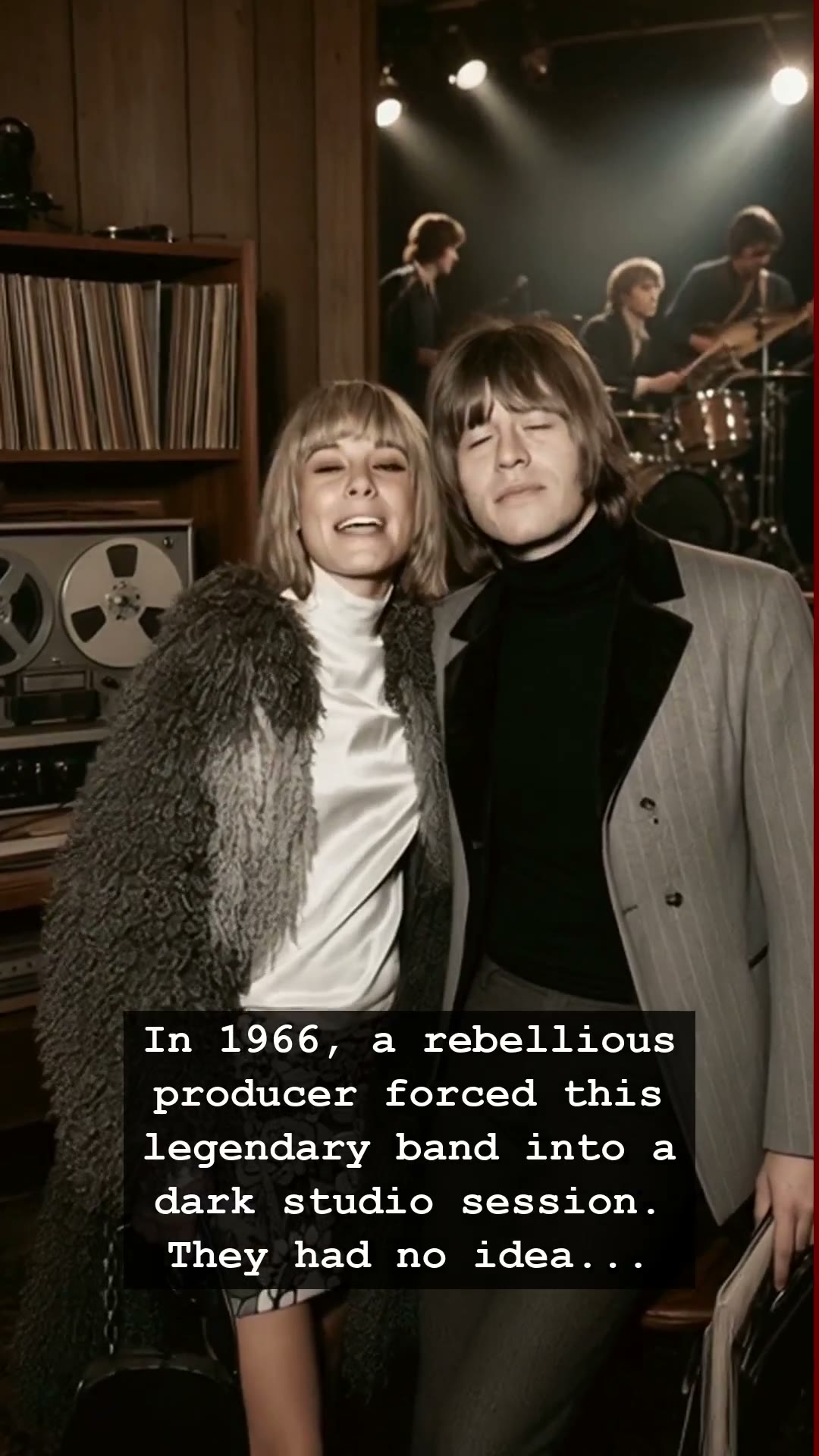
The year was 1966, a time when the world was shifting beneath our feet. While the airwaves were still saturated with the sweet, sugary pop of the early sixties, a storm was brewing inside the walls of the recording studio. The Rolling Stones, already established as the dangerous, rebellious counterparts to the clean-cut Beatles, were about to embark on a sonic experiment that would leave record executives sweating bullets. It was an era defined by the rise of the counterculture, the hum of the transistor radio, and the looming shadow of the psychedelic revolution that would soon engulf the decade.
Inside a dimly lit, claustrophobic studio, The Rolling Stones were coerced by an unorthodox producer into abandoning their familiar blues-rock riffs. The air was thick with tension and the smell of stale cigarette smoke as the band members stared at an instrument they barely understood: the sitar. This was not the Rolling Stones the public knew; this was a band pushed to the breaking point. The experimental session felt less like a creative collaboration and more like a high-stakes gamble against their own legacy. Nobody in that room knew if they were witnessing a stroke of genius or the premature end of a legendary career.
Yet, as the droning, hypnotic notes of the sitar began to weave through the raw, jagged guitar chords, the atmosphere shifted. They were crafting what would eventually become Paint It, Black, a track that shattered the boundaries of traditional rock music. At the time, record label suits were in a state of panic, terrified that this darker, eastern-influenced sound would alienate their loyal fan base. They couldn’t have been more wrong. The song hit like a lightning bolt, perfectly capturing the existential angst of the late sixties and propelling The Rolling Stones into a new stratosphere of cultural influence.
Beyond the studio walls, the late sixties were rapidly changing. The innocence of the post-war era was fading, replaced by the grit of the burgeoning rock scene that would eventually lead to the massive stadium tours and the era of the Walkman. The Rolling Stones were the ultimate architects of this transition, embodying the sex, drugs, and rock ‘n’ roll mythology that defined the period. Their willingness to embrace this dark, atmospheric tension during that pivotal 1966 session cemented their status not just as musicians, but as pioneers who refused to stay within the lines drawn by the industry.
Looking back at that moment, it remains a testament to the power of artistic friction. It reminds us that the greatest art often emerges from the most uncomfortable conditions. The Rolling Stones didn’t just record a hit; they transformed the DNA of rock music forever. Decades later, when we hear those iconic opening notes, we are transported back to that dark, smoke-filled room where the rules were broken, and history was rewritten for us all. The legacy of that day continues to echo through the halls of rock history, proving that sometimes, you have to go into the shadows to find the light.