
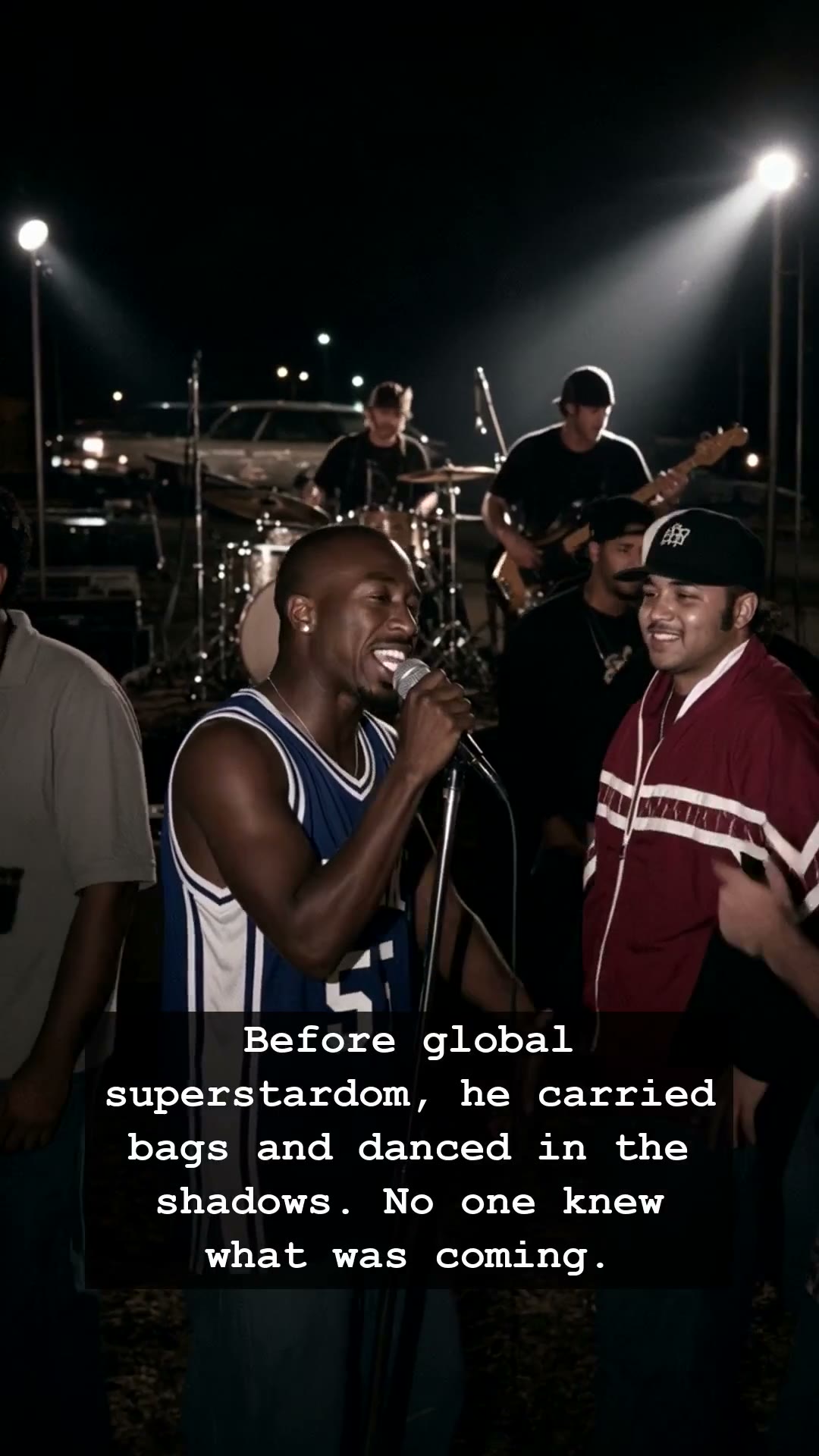
In 1991, the neon lights of the concert stage were blinding, but if you squinted hard enough into the shadows behind the main act, you might have caught a glimpse of a young man with a fierce gaze. He wasn’t holding a microphone; he was hauling bags and dancing in the background, a forgotten silhouette in the vibrant tapestry of early nineties hip-hop. This man was Tupac Shakur, a name that would eventually ignite the world, yet in those early, hungry days, he was just another face in the blur of a tour. No one in the crowd, and perhaps not even his peers, sensed the raw, brutal power waiting to explode behind those restless eyes.
The era was defined by a shift in cultural tides. The glitz of the eighties was fading into the gritty, street-level realism that would soon dominate the airwaves. As the world obsessed over the rise of the Walkman and the evolving influence of MTV, Tupac Shakur was quietly sharpening his pen. He was a poet disguised as a dancer, absorbing the frustrations and the beauty of the streets he walked. The struggle was his fuel, and the stage was his classroom. While he served as a backup dancer, he was secretly documenting the heartbeat of a generation that felt silenced, preparing to unleash a lyrical fury that would forever change the landscape of music.
What makes the story of Tupac Shakur so haunting today is the sheer velocity of his transformation. One moment he was carrying gear for others, and the next, he was the epicenter of a cultural earthquake. His ascent was fueled by a mix of Shakespearean tragedy and modern urban warfare. He carried the burden of his heritage and the trauma of his surroundings, turning them into anthems that resonated from the inner city to the suburban bedroom. There was a visceral authenticity to his rise; it wasn’t manufactured in a studio boardroom but forged in the chaos of his lived reality.
History often highlights the drama—the intense rivalry between the East and West coasts and the inevitable shadows that followed him—but we must remember the hunger of that young dancer in 1991. That version of Tupac Shakur held a promise that he would eventually fulfill with devastating intensity. His music became a mirror, reflecting the highs and lows of the American experience during the turn of the decade. He was the voice of those who were never given a platform, a figure of contradictions—both a poet and a revolutionary—whose life was as cinematic as the stages he once danced upon.
Even decades later, the shadow of Tupac Shakur looms large over modern music. We are still unpacking the layers of his genius and the tragedy of his truncated journey. He taught us that greatness rarely arrives with a fanfare; it often starts in the background, unnoticed, waiting for the perfect moment to step into the light. The next time you find yourself listening to his classic records, remember the young man in the background, dancing for a future he was destined to command.