
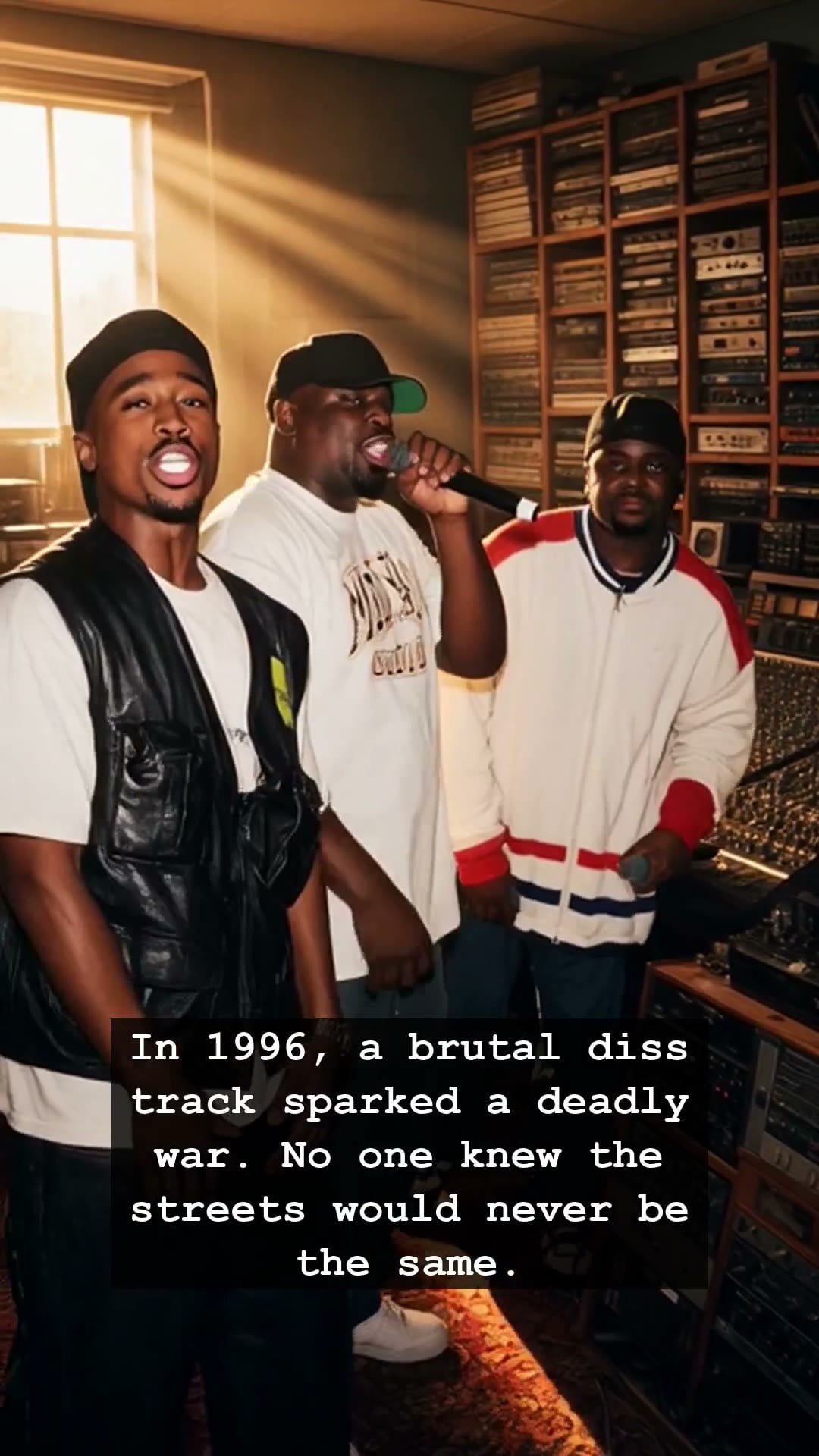
The year was 1996, a time when the crackle of a vinyl record or the hiss of a cassette tape held more weight than any digital stream ever could. In the heart of the hip-hop scene, a shadow was looming that would soon eclipse the brilliance of two of the greatest poets of their generation. It started with whispers in back-alley recording studios and grew into an inferno that pitted the East Coast against the West. At the epicenter of this seismic shift were two titans: Tupac Shakur and The Notorious B.I.G., icons whose creative genius was tragically overshadowed by a brutal, fatal war that redefined the music industry forever.
To understand the gravity of the feud, one must revisit the era of oversized suits, the rise of MTV culture, and the gritty authenticity of 90s urban landscapes. Tupac Shakur, with his fiery intellect and raw, unbridled emotion, represented the voice of the West, while The Notorious B.I.G., often called Biggie Smalls, possessed a rhythmic flow that felt as smooth and heavy as a Brooklyn night. They were once friends, sharing dreams and cigarettes in the early days, but the fragile nature of fame and the pressure of the music industry created rifts that pride and ego only widened. When the diss tracks began to fly, they weren’t just lyrics; they were grenades tossed across the country.
The release of explosive tracks in 1996 felt like the point of no return. Fans at the time could feel the tension in the air, a sense of foreboding that permeated radio broadcasts and record store aisles. It was a dark, dangerous chapter where the line between artistic expression and street reality became terrifyingly blurred. As the media fueled the fire, the music stopped being about the poetry and became a countdown to tragedy. Tupac Shakur, never one to back down, turned his lyrical pen into a weapon, while Biggie found himself trapped in a conflict that spiraled far beyond the recording booth.
Looking back today, the tragedy is not just the loss of two legendary figures, but the realization that their brilliance was silenced by the very streets they sought to describe. Their story serves as a haunting reminder of how fragile a legacy can be when caught in the crosshairs of cultural obsession. We still listen to their records today—the heavy basslines and the intricate storytelling—and we catch glimpses of the men behind the myth, two artists who, under different circumstances, might have changed the world together rather than leaving it apart.
As the golden era of hip-hop continues to influence modern soundscapes, the saga of Tupac Shakur and The Notorious B.I.G. remains a cautionary tale of passion gone wrong. They were the architects of a culture that now spans the globe, and their impact is carved into the history of music forever. Though the silence left in their wake is deafening, their voices remain loud, echoing through the halls of history and reminding us all to cherish the art, even when the artist’s journey ends in shadow.