
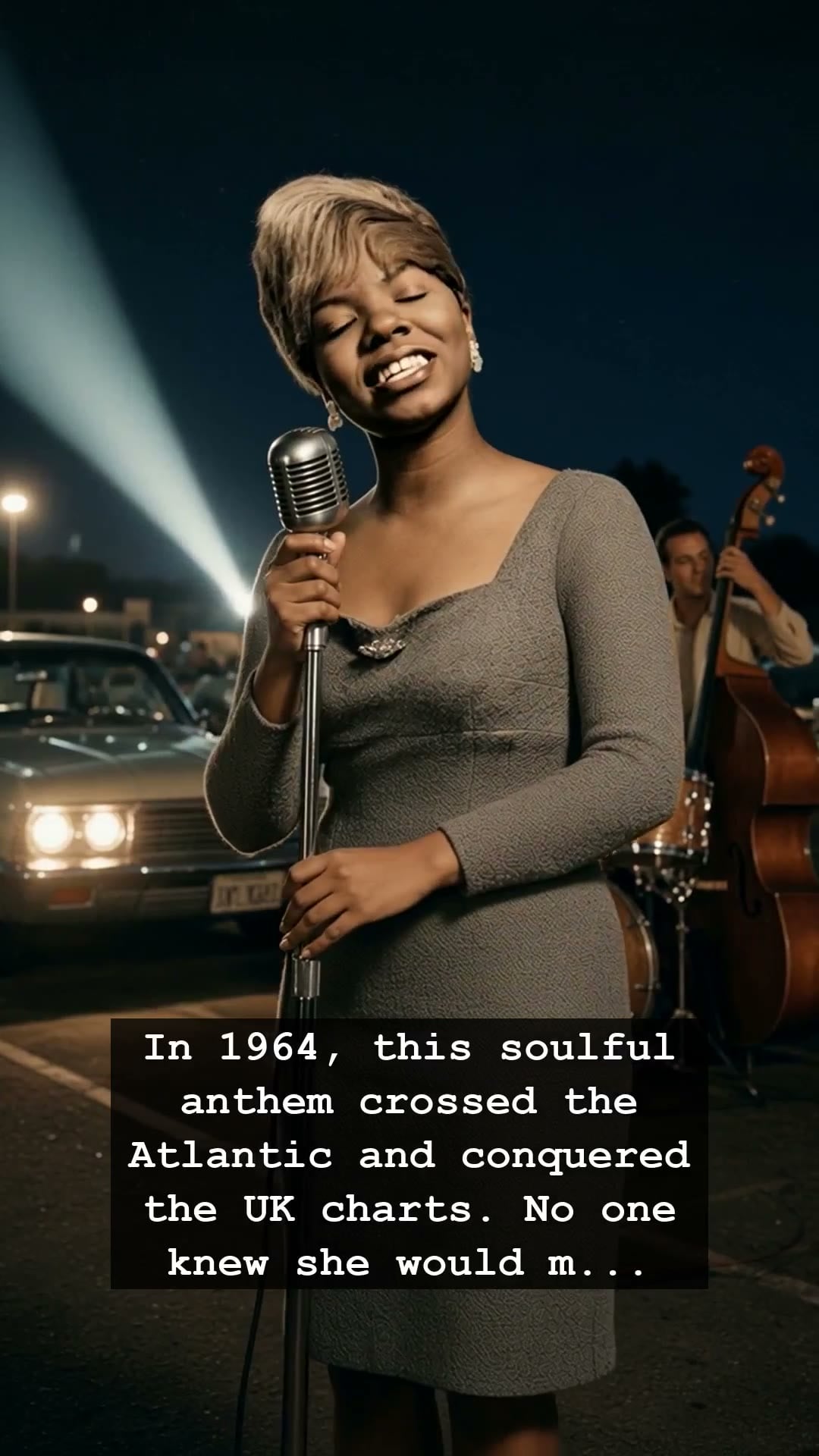
In the sweltering summer of 1964, a hauntingly soulful voice drifted from the heart of Detroit and managed to do the impossible. While the world was reeling from the initial waves of the British Invasion, a young woman named Mary Wells was busy plotting a quiet revolution of her own. Her anthem, My Guy, did not just climb the charts; it defied borders, crossed the vast Atlantic, and forced the United Kingdom to bow before the undeniable power of the Motown sound. But behind that smooth, velvet-drenched melody lay a story of ambition, rapid-fire success, and the bitter-sweet reality of being the first true queen of a label that would change music forever.
To understand the magic of Mary Wells, you have to transport yourself back to the era of the Jukebox. It was a time when the crackle of a 45-rpm record could define a teenager’s entire identity. Mary Wells was the spark plug that ignited the Motown engine, guided by the genius of Smokey Robinson. Their collaboration was electric, a perfect synergy of songwriting prowess and a vocal delivery that felt both intimate and grand. She was more than just a hitmaker; she was the blueprint for every soul singer who followed in her footsteps. Yet, the pressure to maintain that momentum in a rapidly changing industry—where the spotlight shifted as fast as the radio trends—was immense.
The drama surrounding her departure from Motown is a piece of music history that still stirs debate in the corridors of soul music enthusiasts. At the height of her fame, Mary Wells walked away from the house that Berry Gordy built, seeking greener pastures and larger royalty checks. It was a move that shocked the industry, a bold defiance that signaled the end of her golden era. Some viewed it as a necessary quest for artistic and financial independence, while others saw it as a tragic severance from the very rhythm that had gifted her stardom. The transition was rocky, and the hit records that once came so effortlessly began to dwindle, turning her story into a cautionary tale about the volatility of fame.
Even as the world moved toward the psychedelic haze and arena rock of the late sixties, the influence of Mary Wells remained etched into the fabric of pop culture. You can hear her DNA in the soulful ballads that filled the airwaves of the seventies and the R&B revivals that kept the Motown spirit alive. Her voice was the sound of a generation learning to fall in love, to hurt, and to dance with abandon. It was an era defined by Studio 54 glamour and the grit of the inner city, and Mary Wells bridged those worlds with a grace that felt entirely her own.
Looking back today, the legacy of Mary Wells is not just about the charts she topped or the records she shattered in London. It is about the emotional resonance of a voice that still sounds just as fresh when you spin it on a vintage turntable. She reminds us that music is a fragile, beautiful thing, often forged in the fires of personal struggle and corporate tension. The next time you find yourself humming the opening bars of her signature hit, take a moment to remember the woman who opened the doors for soul to conquer the globe, forever carving her name into the golden history of American music.