
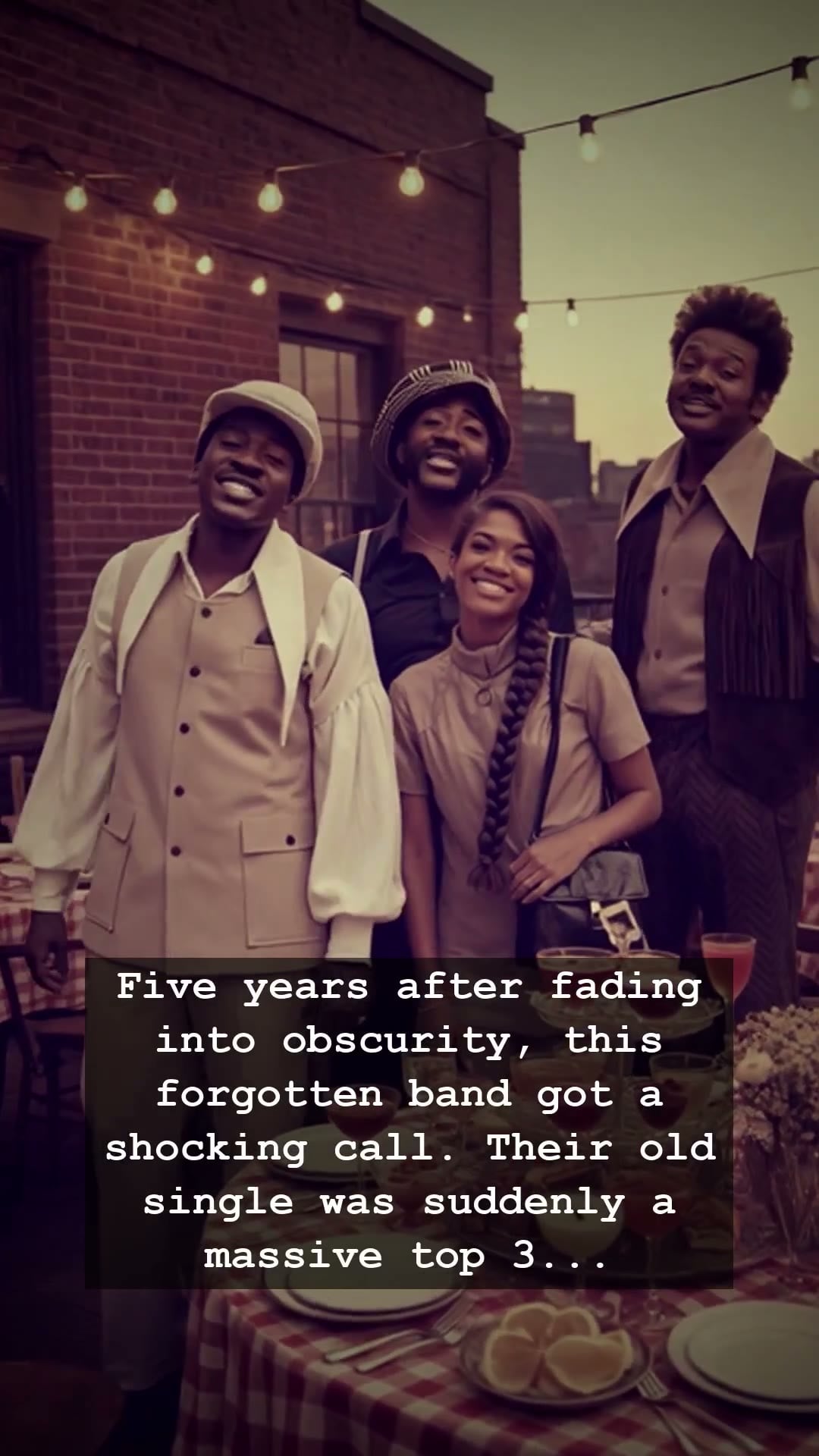
In the golden era of Motown, where dreams were manufactured in Detroit studio basements and churned out onto the airwaves, disappearing into obscurity was usually a one-way trip. For The Elgins, the soul group defined by their silky harmonies and grit, that trip seemed to be permanent. Five years after they had effectively disbanded, fading into the shadows of the late sixties music scene, the impossible happened. A forgotten single from the dusty archives of their past suddenly caught fire overseas, clawing its way up the UK charts to reach the Top 3. It was a digital-age success story happening in an analog world, catching everyone, including the band members, completely off guard.
Imagine the scene in the late 1960s. You have walked away from the grind of touring, the endless recording sessions, and the pressure of the hit-making machine. You have settled into a quiet life, believing your legacy is locked behind a jukebox somewhere in a smoky tavern. Then, the telephone rings. The frantic voice on the other end tells you that your music is dominating the airwaves thousands of miles away in England. The scramble that followed was not just a logistical nightmare; it was a desperate race against time to capitalize on a ghostly second chance. For The Elgins, this was the ultimate validation of their sound, yet it brought forth a bitter complication that threatened to crush the momentum before it even began.
The most shocking twist in this tale of sudden fame was the refusal of their original lead singer to join the emergency tour. While the remaining members were eager to return to the spotlight, the man whose voice had defined their biggest records flatly refused to step back onto the stage. It created an immediate crisis. How do you perform a hit song without the soul that gave it life? The drama that played out behind the scenes of this Motown relic mirrored the classic tension between artistic integrity and the crushing machinery of the music industry. It was a moment of vulnerability that rarely made the headlines, leaving the remaining members of The Elgins to navigate the stage without their heart and soul.
Looking back, the story of The Elgins serves as a poignant reminder of the fickleness of fame. In an era where the sound of a portable radio or a vinyl record on a turntable was the only way to connect with a star, popularity was often a flash in the pan. Yet, their unexpected revival proves that great music has a lifespan far longer than the careers of those who create it. The Elgins captured a specific frequency of human emotion that transcends time, even if the industry dynamics of the 1960s were rigged against their longevity.
Even today, the legacy of The Elgins continues to resonate with collectors and soul enthusiasts who dig through crates to find those rare pressings. Their story serves as a haunting, beautiful footnote to the Motown narrative. It is a tale of missed opportunities, the ghosts of the studio, and the endurance of a sound that refused to die, even when the stars themselves had moved on. As we listen to those timeless tracks, we aren’t just hearing a song; we are hearing the sound of a group that lived through the dream, the collapse, and the strange, inexplicable echo of glory.