
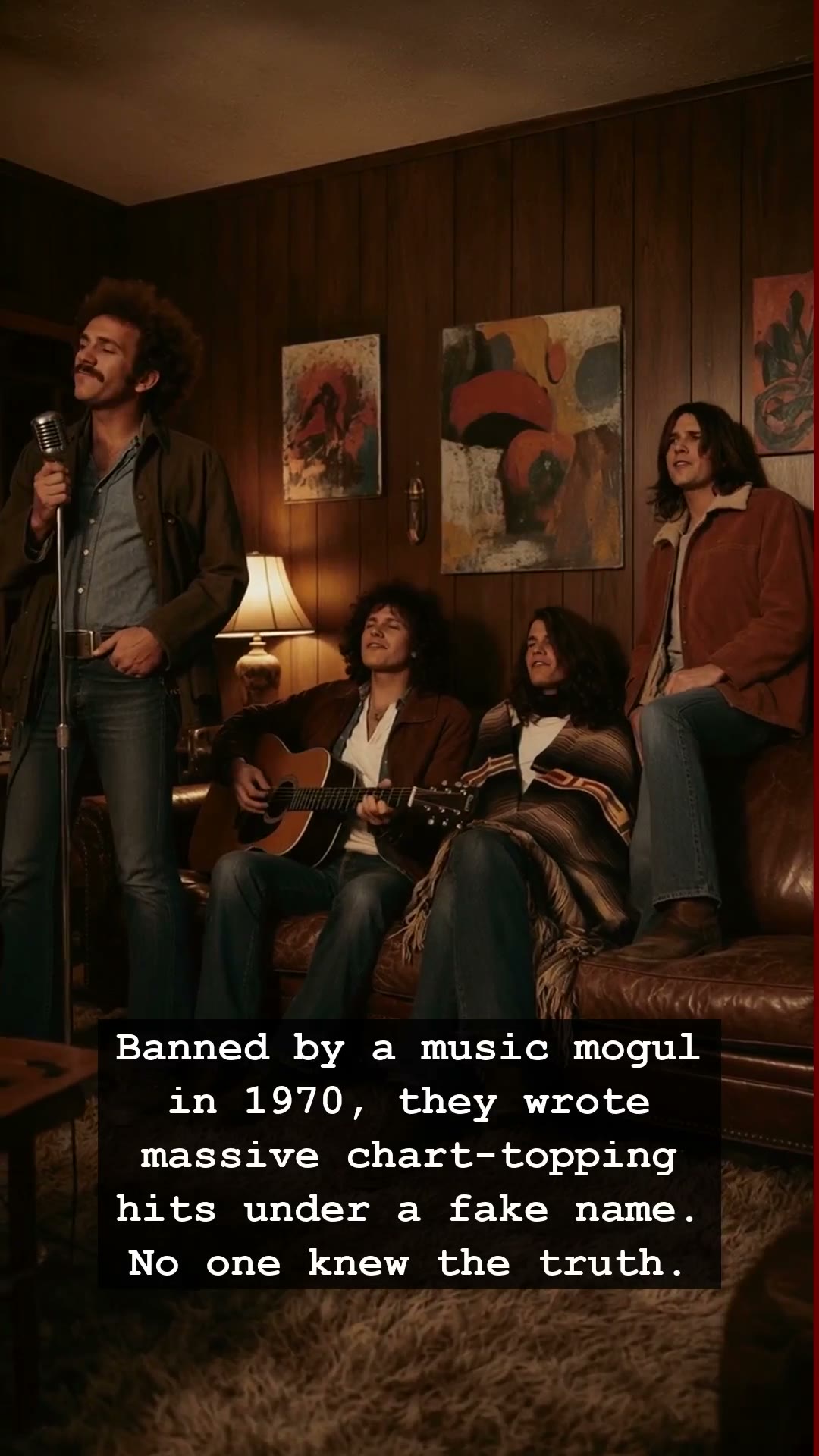
The golden age of Motown was built on a foundation of shimmering melodies and polished perfection, but behind the polished facade of Detroit’s hits, a bitter legal war was brewing. In 1970, the industry was rocked by one of its most bizarre chapters: the songwriting titan trio Holland Dozier Holland found themselves legally barred from their own creative home. After a messy, high-stakes contract dispute with Berry Gordy, Brian Holland, Lamont Dozier, and Eddie Holland were officially persona non grata within the Motown walls. To the outside world, it seemed like the end of an era, but for this legendary group, it was simply the start of a daring underground operation that would fool the entire music industry.
Faced with a devastating legal injunction that prevented them from using their own names, the men behind hits like Reach Out I’ll Be There refused to step away from the piano. Under the shadow of total professional exile, they retreated into the darkness of the studio, adopting pseudonyms to keep their magic alive. They weren’t just writing songs; they were running a secret mission, crafting chart-topping anthems while the establishment assumed they had vanished. This wasn’t just a business move; it was a desperate, clandestine struggle for their artistic identity, performed in the hushed tones of smoke-filled recording booths where nobody dared to whisper their true identity.
Throughout the early 1970s, as the world moved from the jukebox era toward the sophisticated sounds of radio, the tracks written by Holland Dozier Holland under these aliases continued to dominate the airwaves. Every time a song climbed the charts, the trio watched from the sidelines, knowing the industry had been completely duped by their invisible hand. It is a testament to their genius that their melodic DNA was so distinct it could survive the anonymity of a fake name. Fans dancing in the neon glare of local clubs or cruising in muscle cars with the radio blasting never suspected that the music shaping their lives was created by three men under a state of total professional banishment.
This era of their career highlights the intense, often brutal reality of the music business during a time when artists were treated more like cogs in a corporate machine than creative souls. The story of Holland Dozier Holland remains a haunting reminder of the high price of fame and the ruthless nature of the Motown machine. They were the architects of the sound of young America, yet they had to hide in the shadows just to keep the music playing. It remains one of the greatest hidden dramas of soul music, a period where legal iron fists collided with raw, unstoppable talent.
Decades later, the legacy of Holland Dozier Holland resonates with a bittersweet intensity that feels both nostalgic and revelatory. As we look back at the era of vinyl and analog warmth, we aren’t just remembering the songs; we are honoring the resilience of those who defied the odds to keep the melody moving. Even today, when you spin those classic tracks, listen closely for the echoes of a secret struggle that almost erased their names from history. Their triumph wasn’t just in the hits they penned, but in the fact that, despite the best efforts of a music mogul to bury them, the music proved impossible to silence.