
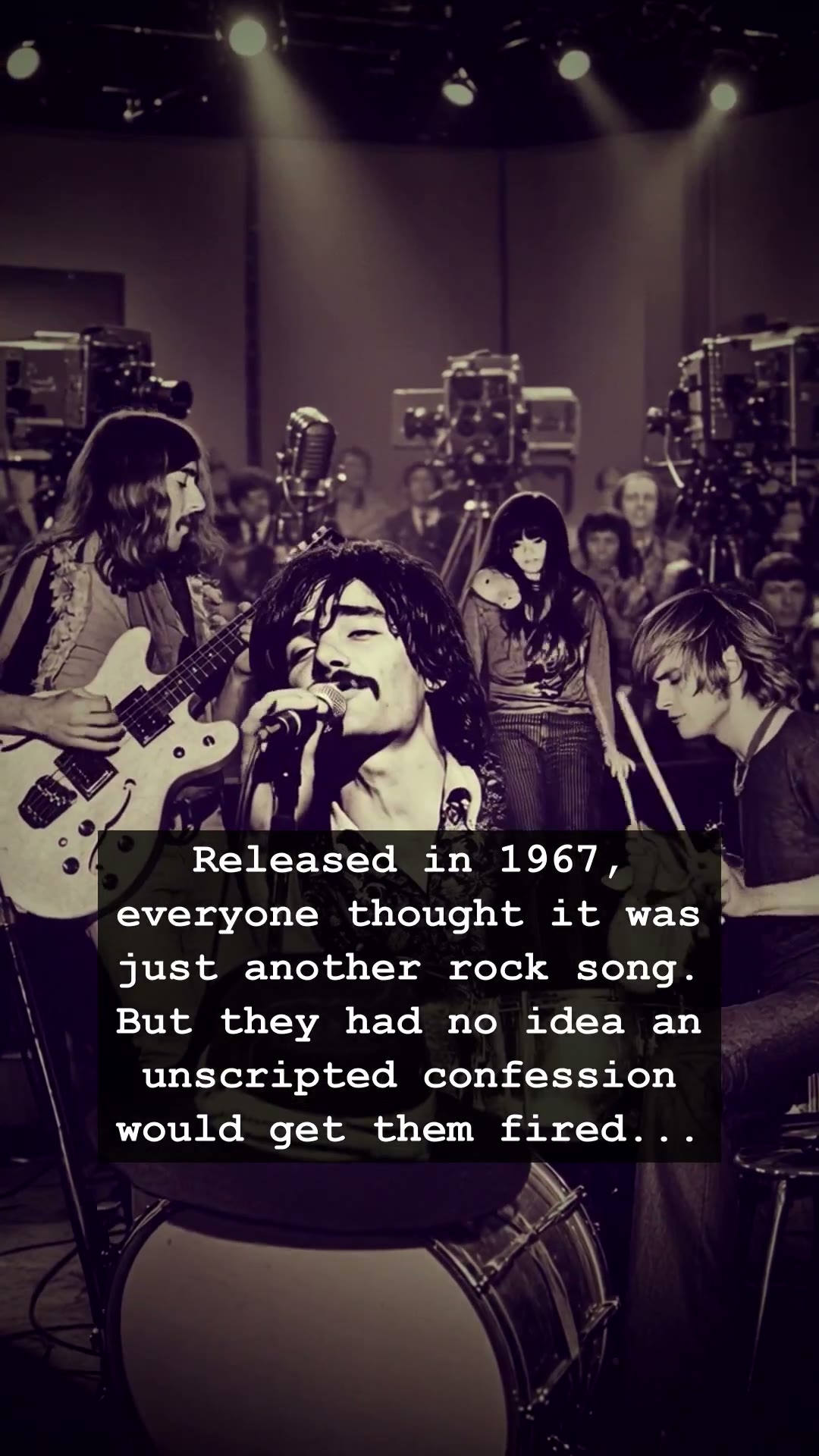
The year was 1967, and the air was thick with the scent of rebellion and cheap perfume. On the Sunset Strip, the iconic Whiskey a Go Go stood as the epicenter of a musical revolution, a place where neon lights buzzed in harmony with the thumping bass of the new counterculture. The Doors, led by the enigmatic and dangerously poetic Jim Morrison, were the house band that everyone was whispering about. They were not just playing music; they were conducting a séance. But amidst the hazy atmosphere of that golden era, one single, unscripted moment would forever change the trajectory of their career, leaving the audience in shock and the club owners ready to pull the plug.
It was during a performance of their haunting masterpiece, The End, that the veneer of standard rock began to peel away. As the music swelled into a hypnotic, tribal trance, Morrison, caught in the throes of a raw, uninhibited state of mind, began to improvise. What started as a psychedelic journey spiraled into a deeply personal, Oedipal confession that crossed the invisible line of social acceptability. The room went cold. It was an unfiltered, chaotic eruption of truth that dared to challenge the constraints of a buttoned-up society. For the management watching from the shadows, this was not art—it was a liability. Before the final notes had even faded into the smoky darkness, the band was told they were finished, fired on the spot.
This incident with The Doors was more than just a scandal; it was a defining moment for the 1960s. At a time when radio stations and record labels were trying to manufacture clean-cut pop idols, Jim Morrison and his cohorts represented the dark, unruly heart of the West Coast scene. They were the bridge between the structured rhythm and blues of the past and the jagged, unpredictable world of psychedelic rock. To be fired from the Whiskey a Go Go was a badge of honor, a testament to the fact that they refused to play by the rules of the mainstream industry.
Looking back, this moment encapsulates the dangerous allure of that decade. From the flickering glow of the jukeboxes to the rise of FM radio, the music of The Doors served as a soundtrack for those who felt like outsiders in their own time. It was a time of immense cultural upheaval, where the lines between performance and reality were constantly being blurred by ego, ambition, and the relentless pressure of fame. The band’s uncompromising attitude eventually cemented their status as legends, proving that sometimes, being ejected from the stage is the only way to ensure your voice is heard for decades to come.
Even today, the legacy of The Doors continues to resonate with anyone who has ever felt the urge to scream their own truth into the void. They remind us of an era when rock and roll was still a wild, untamed beast, capable of erupting at any second. Their music remains a haunting reminder that true artistry requires a willingness to lose everything for the sake of a moment. As the final echoes of their story fade into history, we are left to wonder what other secrets the ghosts of the Sunset Strip might still be keeping.