
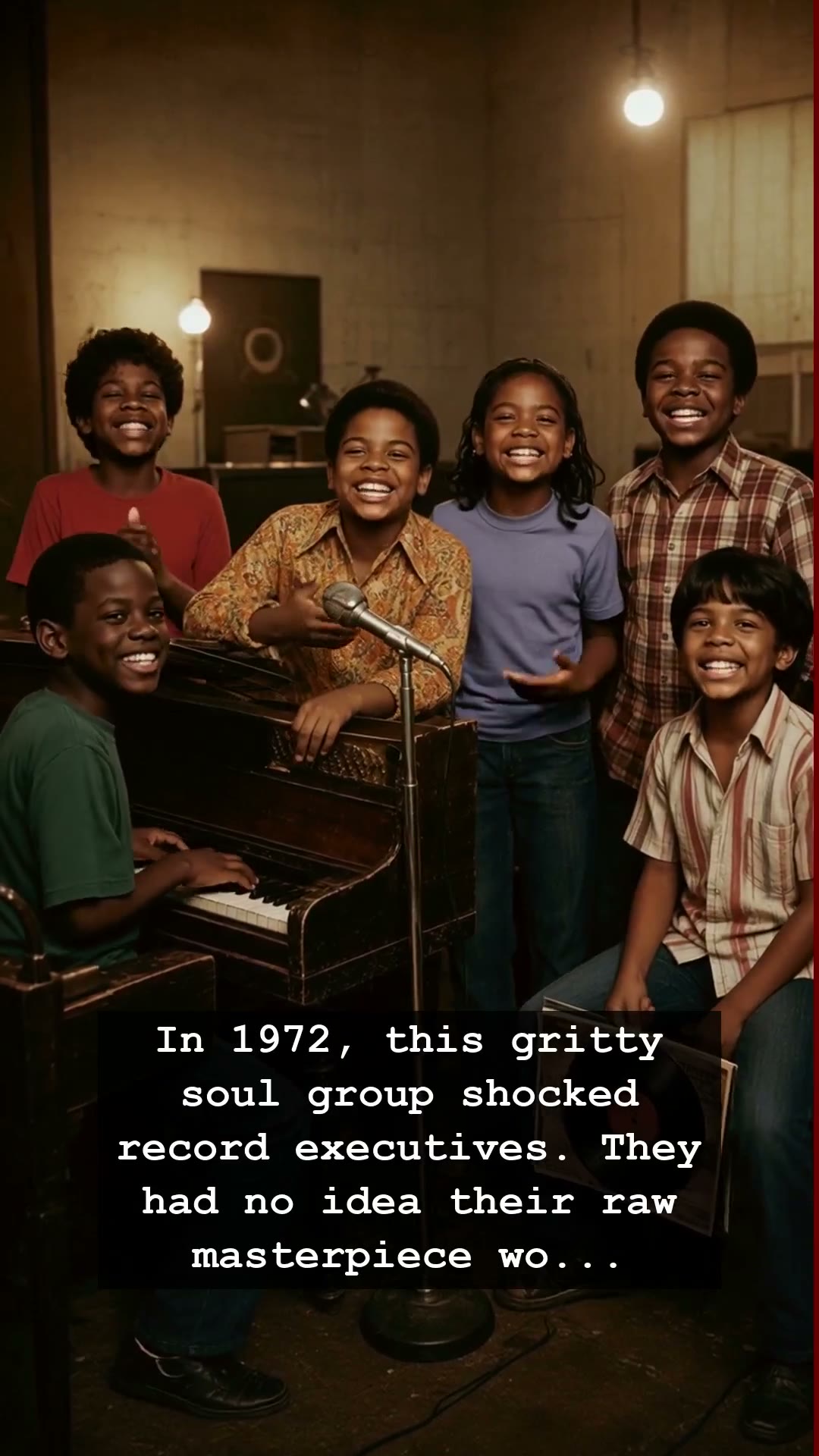
It was 1972, a year defined by the neon pulse of late-night radio and the lingering smoke of a changing cultural landscape. Inside the legendary Stax Records, executives were expecting another polished soul record to climb the charts. Instead, The Soul Children dropped a raw, unflinching masterpiece that left the studio in stunned silence. They were not just singing; they were bleeding their reality onto tape, capturing the grit of the American South with a level of emotional intensity that few acts ever dared to reach. This was the moment Southern soul shifted its axis, moving away from the safe, radio-friendly balladry of the previous decade toward something infinitely more dangerous and beautiful.
The Soul Children were never meant to be a manufactured group. Formed in Memphis, they carried the weight of the city in their harmonies. With members like J. Blackfoot and Anita Louis, the group possessed a jagged, gospel-drenched sound that refused to be smoothed over by producers. In an era where the Jukebox was the ultimate judge of success, they were a commercial risk. Yet, the music they produced in 1972 acted as a sonic photograph of a turbulent society. The streets were changing, the political climate was cooling from the fire of the sixties, and the music needed to reflect the heartbreak of the common man. The Soul Children were the architects of that particular brand of melancholy.
What made their work so startling at the time was its sheer, unadulterated vulnerability. While contemporaries were chasing the polished sheen of Motown or the rising tide of disco that would soon overtake the airwaves, The Soul Children leaned into the darkness. Their recordings felt like overheated late-night confessionals, the kind you would hear on a portable Walkman while walking home alone under flickering streetlights. They channeled the tension of broken relationships and the struggle of the working class, turning personal tragedy into a communal experience that resonated deep in the listener’s chest.
Looking back, the impact of their 1972 output remains a fascinating footnote in the history of American music. It reminds us of a time when labels were willing to bet on artists who favored authentic grit over synthetic perfection. In the high-stakes environment of 1970s Memphis, where the competition for the soul of America was fiercer than ever, The Soul Children stood apart. They were the outliers who, through sheer force of will and vocal chemistry, forced the industry to listen to the sounds emanating from the forgotten corners of the South.
Even decades later, there is a ghost-like quality to their music. When you listen to these records today, you are transported back to the velvet-lined booths of old clubs and the dusty shelves of record stores long since closed. It is an invitation to feel the same shivers that those executives felt in 1972. The Soul Children may not be the first name mentioned in every textbook, but for those who truly love the history of soul, their legacy is etched in every heartbreaking note. Have you listened to them lately, or is it time to rediscover the sound that once redefined an entire generation?