
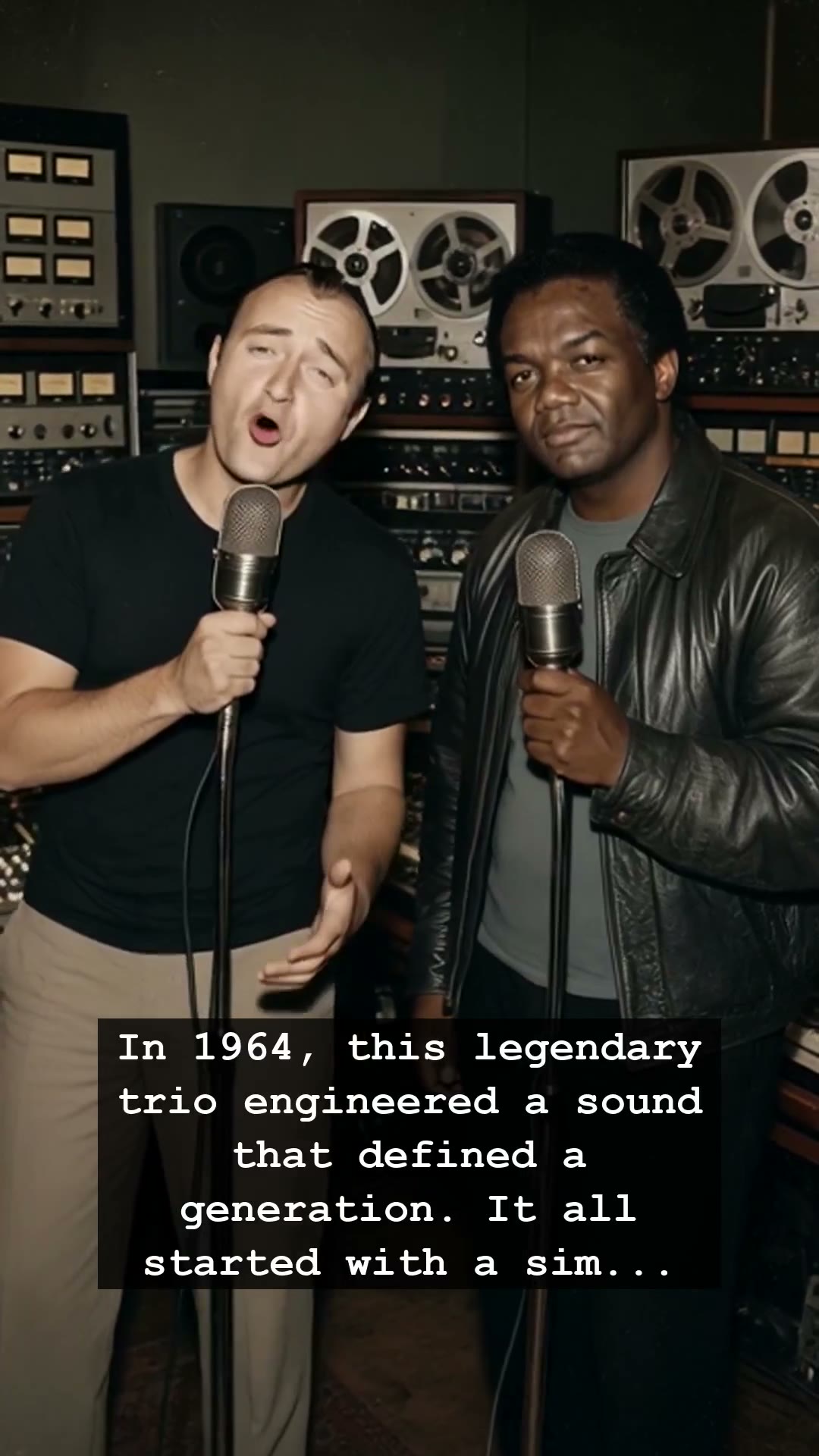
The year was 1964, and the air inside Hitsville U.S.A., that humble Detroit studio, was thick with the scent of floor wax, stale coffee, and the electric tension of creative genius. While the rest of the world was busy watching the British Invasion unfold on television, three men were quietly constructing a sonic architecture that would become the unstoppable heartbeat of a generation. They were Brian Holland, Lamont Dozier, and Eddie Holland—collectively known as Holland Dozier Holland. Before they revolutionized pop music, they were just three hungry songwriters working against the clock, trying to capture a feeling that would resonate from the smoky juke joints of the South to the suburban living rooms of the North.
The genius of Holland Dozier Holland was not just in their songwriting, but in their obsessive, almost maniacal approach to production. They understood that a hit record needed to grab the listener by the throat within the first three seconds. Using a secret internal language of rhythm and melody, the trio refined the Motown sound into a sleek, driving machine. They knew exactly how to layer a tambourine hit against a syncopated bassline to create a sense of urgency that felt both sophisticated and primal. For artists like The Supremes and The Four Tops, working with Holland Dozier Holland was a baptism by fire, often resulting in marathon sessions that pushed everyone to the brink of exhaustion.
Yet, this success came at a steep personal cost. As the pressure to churn out chart-toppers mounted, the internal dynamics within the studio began to fray. The trio faced constant battles with label executives over royalties and creative control, leading to a dramatic, bitter departure that sent shockwaves through the industry. They were the architects of a sound that defined the mid-sixties, yet they were also prisoners of their own perfectionism. This was a time when the music business was transforming from a gentleman’s game into a corporate juggernaut, and Holland Dozier Holland found themselves at the center of that brutal transition.
Looking back, their influence is etched into the DNA of every pop song that followed. Whether you heard them through the tinny speaker of a transistor radio or a high-end stereo system, their tracks possessed an undeniable, life-affirming energy. They tapped into the raw emotions of youth—the longing, the heartbreak, and the joy of dancing until dawn. Even as the culture shifted toward the psychedelic experiments of the late sixties, the bedrock laid by Holland Dozier Holland remained, providing a blueprint that never went out of style.
Today, the legacy of Holland Dozier Holland serves as a testament to the power of pure, unfiltered creativity born under pressure. Their stories of broken contracts and bruised egos are just as compelling as the melodies they crafted. As we spin those classic 45s today, we aren’t just hearing songs; we are hearing the heartbeat of 1964, a moment in time that refused to be forgotten. Their music remains a sanctuary for the nostalgic, inviting us all back to a time when a simple drum beat could change the entire world.