
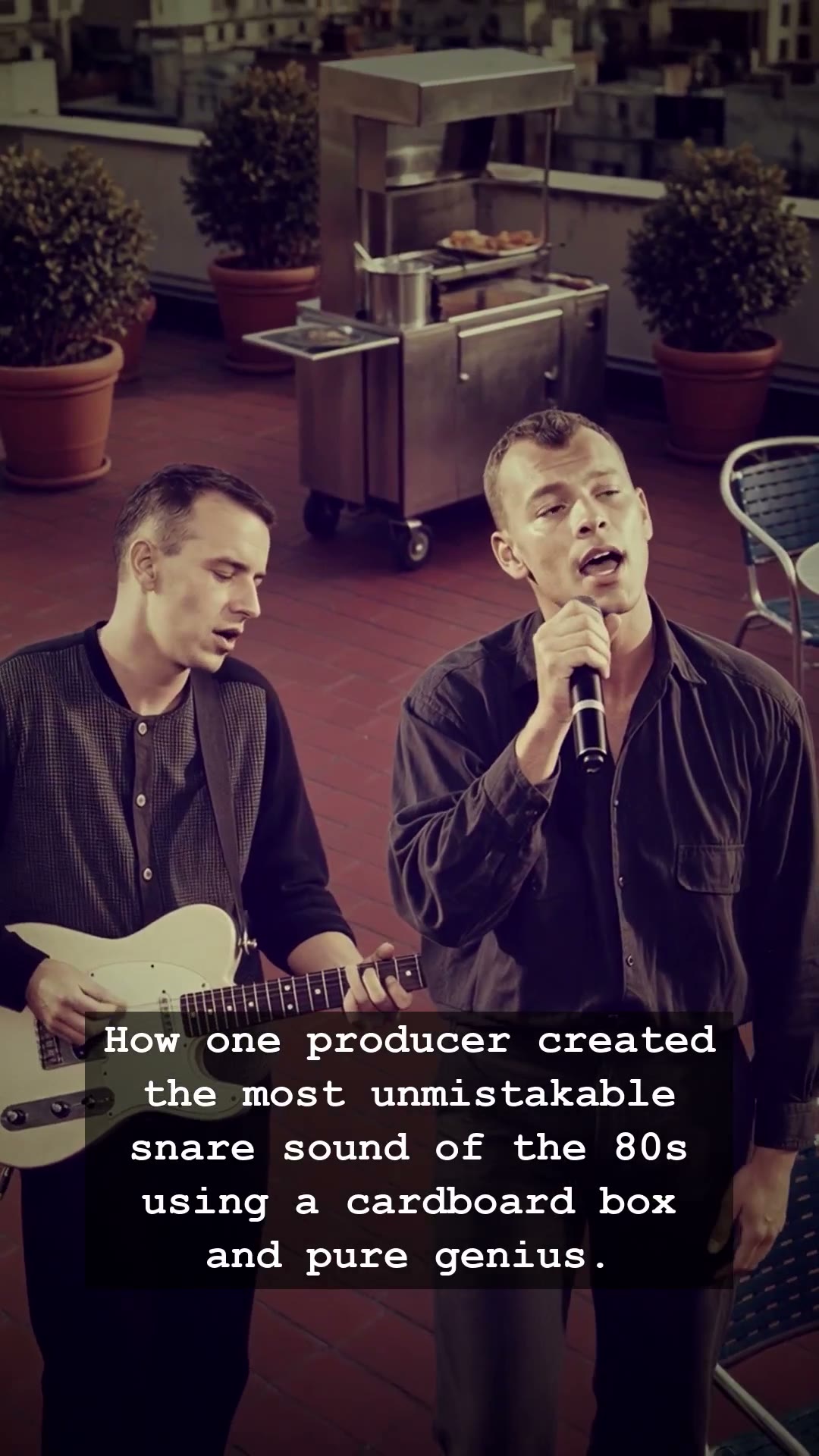
In the neon-soaked landscape of the late 1980s, radio waves were dominated by a specific, thunderous aesthetic. From the polished chrome of MTV music videos to the persistent hum of the ubiquitous Sony Walkman, there was one sound that cut through the synthesizers like a razor blade: a snare drum that hit with the authority of a gunshot. While the world marveled at the sonic perfection of the era, few realized that the secret behind the most unmistakable snare sound of the decade was not born from a million-dollar synthesizer, but from a humble, discarded cardboard box.
The genius behind this sonic revolution was David Z, a producer whose meticulous ear for texture helped define the landscape of pop and funk during a time of immense artistic transition. Inside a sterile, echo-heavy London studio, David Z found himself staring down the barrel of a tracking session, unimpressed by the sterile, lifeless digital drum samples that were becoming the industry standard. He craved resonance. He craved a physical presence that could match the gritty, street-level energy of the emerging hip-hop movement bleeding into mainstream pop. He didn’t look at a manual; he looked at his surroundings.
Legend has it that David Z spent hours in relentless trial and error, moving microphones with surgical precision around a simple shipping carton. It sounds like an urban legend, a tale told to wide-eyed audio engineering students, but it is a testament to the analog ingenuity that defined the late eighties. By capturing the acoustic slap-back of that cardboard box and layering it with the sharp crack of a traditional snare, David Z engineered a sound that felt both synthetic and strangely organic. It was a rhythmic pulse that anchored hits and propelled the energy of the decade forward into the cultural zeitgeist.
This era was defined by this kind of creative rebellion. Whether it was the raw, distorted angst of early grunge bubbling in garages or the calculated perfectionism of synth-pop producers, the music of the eighties was a battlefield of ideas. David Z stood at the center of this, refusing to let the burgeoning digital tools replace the human soul of a track. He understood that a great pop record wasn’t just about the melody; it was about the way the beat felt in your chest when you were dancing at a club or cruising down the highway with the windows down.
Today, we look back at those recordings with a sense of profound nostalgia, marveling at how a producer could turn the mundane into the iconic. The cardboard box snare stands as a monument to a time when producers were as much inventors as they were musicians. David Z proved that you don’t need a limitless budget to create history—you just need a sharp ear, a bit of grit, and the audacity to treat a piece of trash like a gold-plated instrument. As we continue to sample the sounds of the past, his work remains a masterclass in how to craft an unforgettable punch that truly lasts a lifetime.