
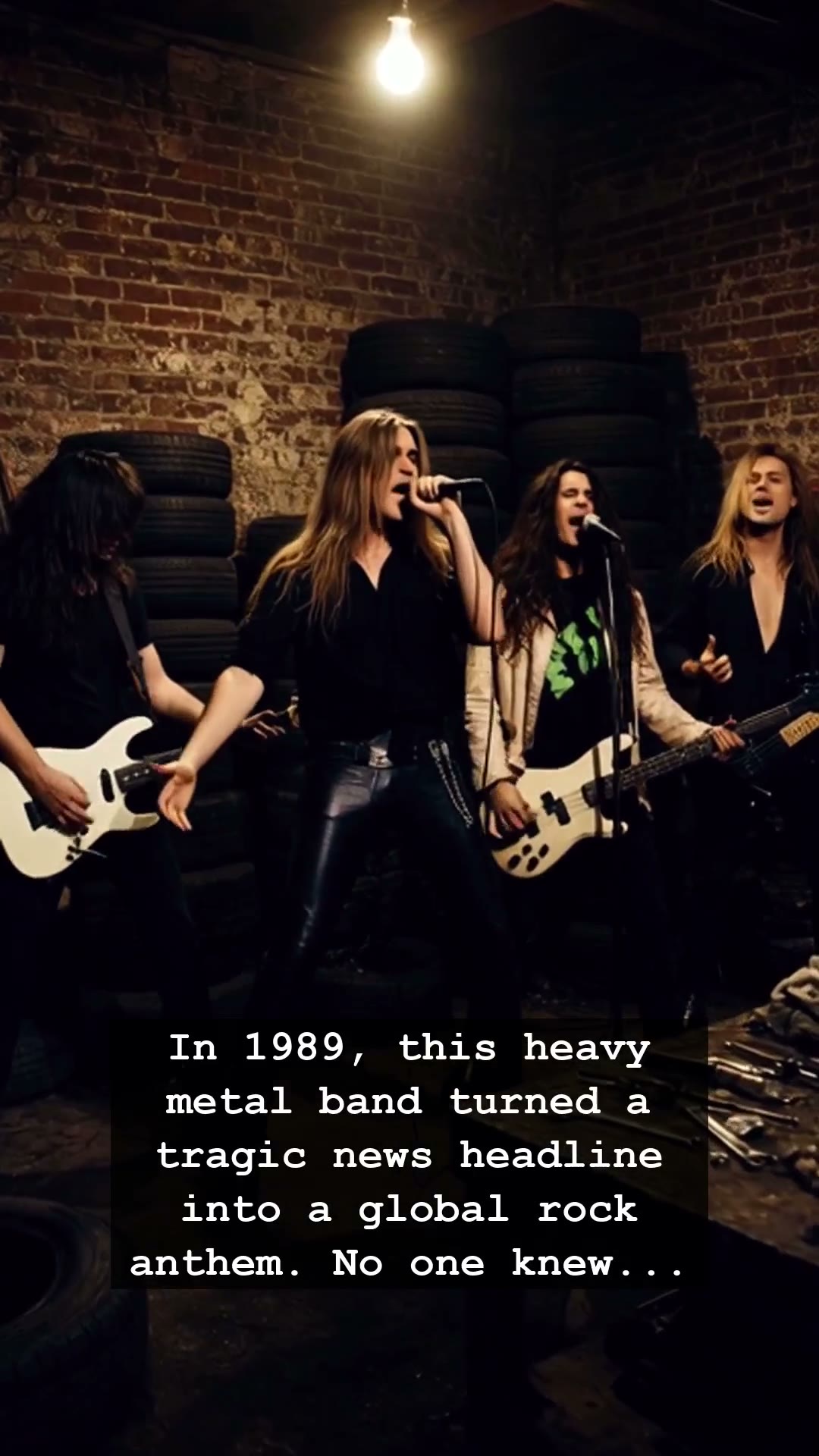
The year was 1989. The Sunset Strip was a neon-soaked playground of excess, where Aqua Net hairspray was as essential as oxygen and the rumble of Arena Rock dominated the airwaves. Amidst this scene, a raw, aggressive band from New Jersey named Skid Row arrived, armed with a sound that felt more dangerous than the polished glam acts of the time. While most bands were singing about fast cars and wild nights, Skid Row captured something far more haunting in their smash hit 18 and Life. Most fans were too busy headbanging to realize that the roaring guitar riffs were actually carrying a chilling, real-life obituary that had been ripped straight from a local newspaper headline.
The story of 18 and Life is not a product of rock-star imagination, but a grim reflection of a tragedy involving a kid named Ricky. As the legend goes, the band’s songwriter Rachel Bolan had stumbled upon a news report about a teenager who had accidentally killed a friend while playing with a loaded gun. The senseless loss of potential and the suddenness of the catastrophe left a mark that transcended the standard lyrics of the era. Sebastian Bach’s powerhouse vocals injected a sense of desperate urgency into the song, turning a quiet, devastating local headline into a global anthem that echoed in the bedrooms of teenagers from New Jersey to Tokyo.
When the band brought the demo to the label, executives were nervous. In an era where the industry pushed for party anthems, a song about a life sentence—both literal and metaphorical—felt like a gamble. Yet, the song resonated because it possessed an emotional authenticity that the era’s bubblegum metal often lacked. It tapped into the suppressed anxieties of the youth, the feeling that one wrong move could derail an entire existence. When the music video landed on heavy rotation on MTV, it became an instant cultural anchor, capturing a generation caught between the reckless optimism of the eighties and the impending disillusionment of the early nineties.
The genius of Skid Row was their ability to package this darkness into a hook that was impossible to ignore. They weren’t just playing for the crowd at a dive bar; they were channeling the grit of their roots into a refined, high-octane production. The tension in the bridge, the wailing solos, and the persistent, throbbing bassline mirrored the ticking clock of a wasted life. It was a dark, cinematic masterpiece that felt right at home on a walkman cassette player, tucked away from parents who couldn’t understand why their kids were so captivated by this melancholy heavy metal storm.
Looking back, 18 and Life remains a testament to the power of storytelling within the hard rock genre. Skid Row managed to strike gold not by following the trends of the Sunset Strip, but by grounding their music in a human struggle that felt chillingly real. The band went on to reach meteoric heights, becoming one of the most recognizable faces of their time, but that one song remains their defining legacy. It serves as a haunting reminder that behind the loudest screams of the arena, there is often a quiet, broken heart waiting to be heard. Next time you play the record, listen closely to the lyrics; the tragedy of a lost youth is still hidden there, waiting in the silence.