
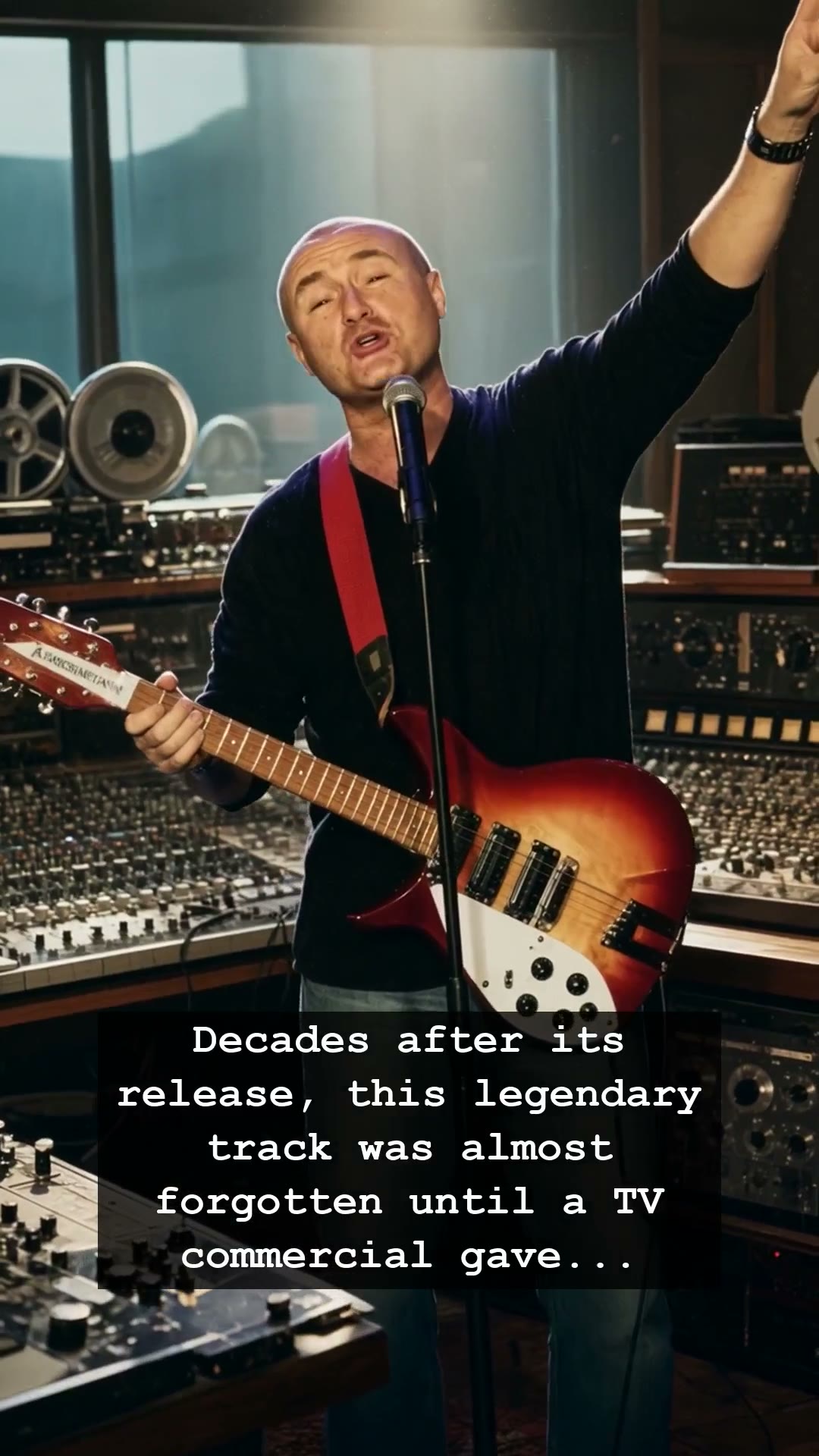
It was 1981, and the world was changing. The analog warmth of the seventies was slowly surrendering to the neon-soaked, synth-driven pulse of the eighties. Amidst this transition, a British drummer and vocalist named Phil Collins stepped into the studio to create what would become an accidental masterpiece of gloom and rhythmic intensity. Little did he know that his melancholic exploration of heartbreak would be buried in the archives, only to be resurrected decades later by the most unlikely of messengers: a late-night television commercial. The track was In the Air Tonight, a song that drips with an atmosphere so thick it feels like a heavy rainstorm in a dimly lit, empty hallway.
At the time, Phil Collins was navigating the messy wreckage of his own life. The lyrics were not just words; they were a raw, unfiltered confession of pain and resentment. When that infamous, thunderous drum break finally crashes through the silence, it isn’t just a musical flourish—it is an emotional explosion. For years, the song served as a staple for those wandering through the lonely nights of the MTV era, tethered to their Walkmans, finding a strange solace in the brooding intensity of a man baring his soul. But as the decade drifted into the nineties, the song started to fade into the background of a changing musical landscape.
Then came the unexpected revival. A high-profile television commercial featuring a gorilla playing the drums to the iconic Phil Collins beat didn’t just remind people of the song; it introduced the visceral power of that rhythm to an entirely new generation. Suddenly, the song wasn’t just a relic of the eighties; it was a brutal, modern anthem. It became the soundtrack for everything from intense boxing matches to viral internet phenomena. The transformation was complete: a deeply personal song about human agony had been stripped of its context and repurposed as a visceral, high-octane spectacle of sound.
This shift says something profound about how we consume history. Phil Collins, a master of the emotive ballad, watched as his darkest hour became a global pop culture punchline and a rhythmic powerhouse. While some artists might have bristled at the commercialization of their most intimate work, there is a certain poetic justice in it. The drum break was always waiting, lurking beneath the surface like a dormant volcano, ready to reclaim its status as one of the greatest moments in rock history whenever the world needed a reminder of true musical grit.
Today, when you hear those first few synthesized notes, you aren’t just hearing a commercial jingle. You are hearing the echoes of Studio 54 decadence fading away and the looming shadow of the arena rock era taking hold. Phil Collins managed to capture a lightning bolt in a bottle, and even after forty years, that spark remains just as blinding. As the drum beat hits and the tension breaks, we are all reminded that some songs are truly immortal. Next time you catch that rhythm, close your eyes and remember the man behind the kit, still waiting for the air to clear.