
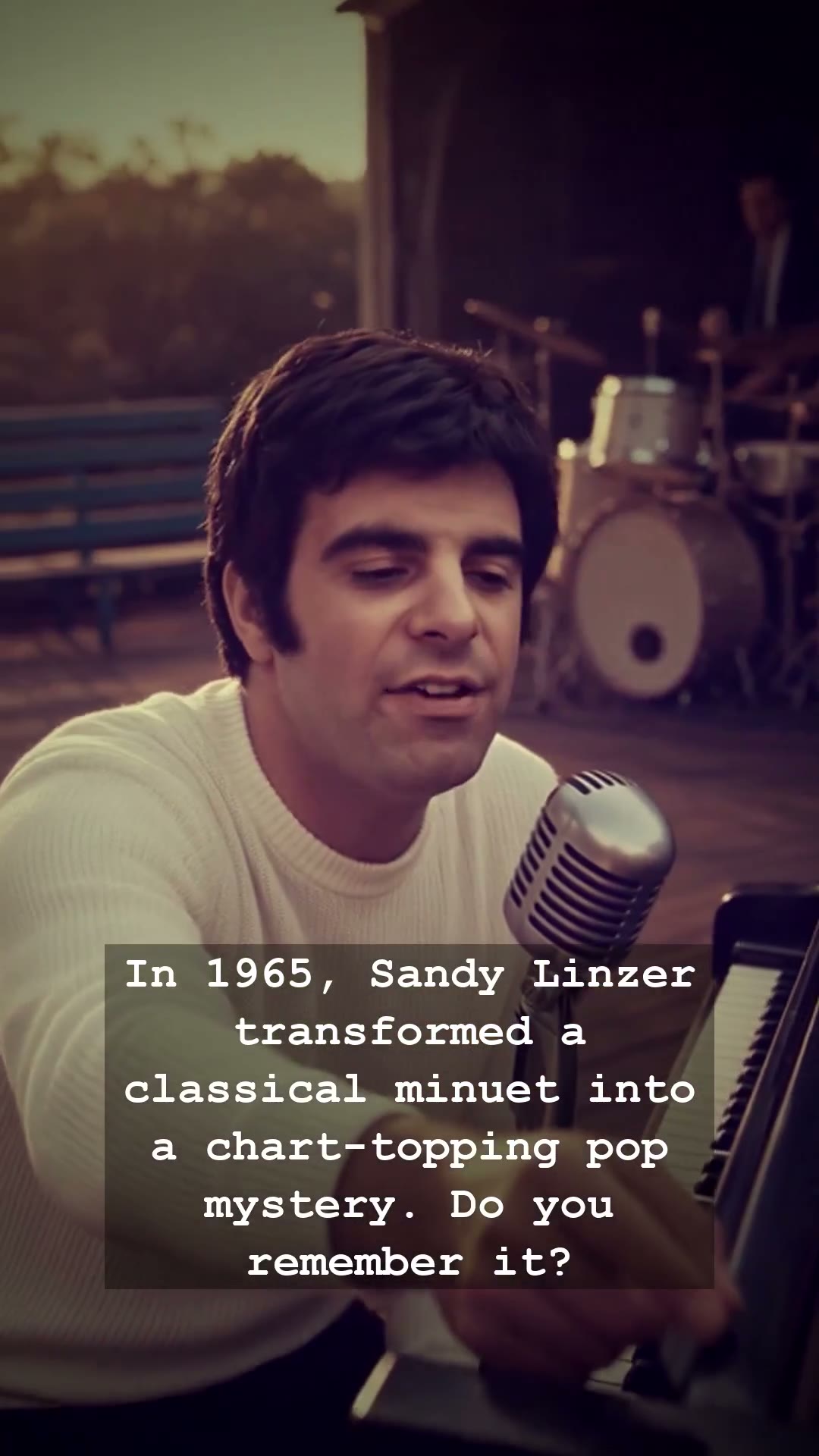
In the golden age of the jukebox, when the airwaves were dominated by the British Invasion and the burgeoning Motown sound, a songwriter named Sandy Linzer dared to look back three centuries for inspiration. It was 1965, a year defined by shifting cultural tides and the birth of a new pop sensibility, when Linzer plucked a delicate 18th-century minuet from the annals of classical music and breathed the fire of modern rebellion into its skeleton. The resulting masterpiece, A Lover’s Concerto, performed by The Toys, did more than just top the charts; it sparked a fierce national debate about the sanctity of classical compositions in the fast-paced world of rock and pop.
Sandy Linzer possessed an uncanny ability to identify the precise heartbeat of a melody. By borrowing the structure of Christian Petzold’s Minuet in G Major—often misattributed to Johann Sebastian Bach—Linzer transformed a formal, aristocratic dance into a yearning, radio-friendly anthem. As the track hit the airwaves, listeners across America felt a strange, haunting familiarity they couldn’t quite place. It was the era of the Walkman’s predecessors, where music felt tactile and heavy, and this track sat perfectly alongside the soul records of the time. Yet, the appropriation of classical motifs caused a stir among critics who viewed the pop industry as a fleeting, volatile beast compared to the timeless elegance of the baroque period.
The genius of Sandy Linzer lay in his understanding of the audience’s emotional architecture. He knew that by stripping away the rigid formality of the classical piece, he could expose a raw, aching vulnerability that resonated with the youth of the 1960s. The production was meticulous, a hallmark of the Brill Building school of songwriting that Linzer championed. While the tabloids thrived on the drama of internal band conflicts and the chaotic fallout of superstar tours, Linzer quietly engineered a bridge between the past and the present. He proved that a melody, regardless of its age, could be reborn if placed in the right hands.
Behind the scenes of that 1965 studio session, the tension was palpable. The transformation of a regal, centuries-old exercise into a chart-topping pop sensation was seen by some as a sacrilege and by others as a stroke of pure, unadulterated genius. For a generation caught in the transition between the elegance of their parents’ era and the experimental chaos of the late sixties, the song acted as a bridge. It invited the listeners of the era to experience history through a modern lens, wrapped in the shimmering production values that defined the mid-sixties musical landscape.
Today, we look back at the work of Sandy Linzer as a pivotal moment where pop music claimed the history books for itself. When you hear those opening notes, the weight of the years seems to vanish, replaced by the persistent, beating heart of a song that refused to be forgotten. It remains a testament to a time when songwriters were architects of cultural memory, proving that even the most ancient melodies could find a new, vibrant life on the pop charts.