
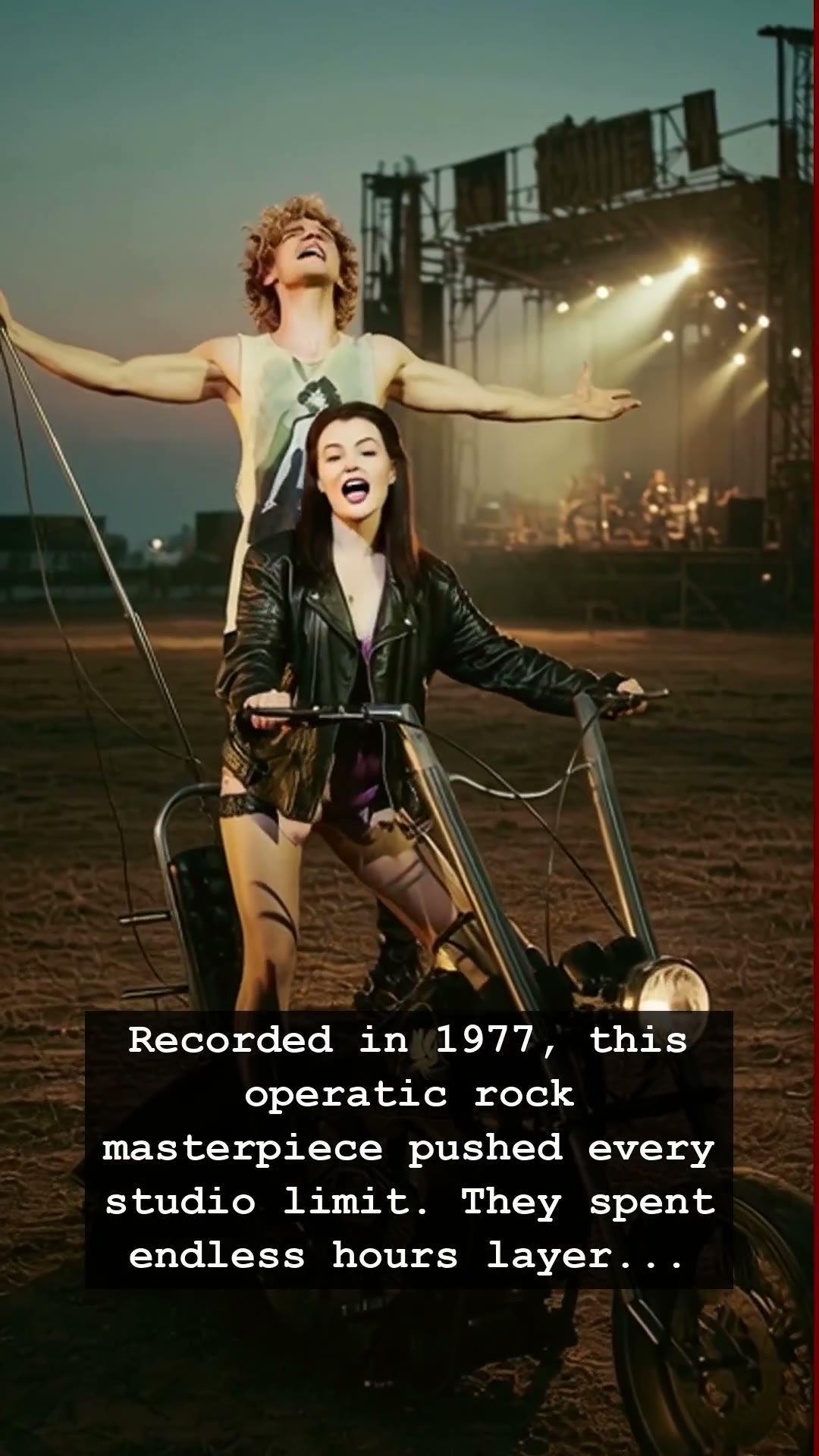
It was 1977, and the airwaves were dominated by the polished pulse of disco and the shimmering neon lights of Studio 54. Yet, tucked away in the shadows of the recording studio, a theatrical storm was brewing that would defy every rule in the industry. Meat Loaf, a man with a voice as immense as his stage presence, was about to unleash Bat Out of Hell upon an unsuspecting world. It was a record so operatic, so raw, and so utterly bizarre that record executives were left trembling, convinced that this chaotic fusion of thunderous guitars and soaring, angst-ridden vocals was a commercial suicide mission. They could not have been more wrong.
To understand the magnitude of this project, you have to picture the grueling labor behind the curtain. Meat Loaf and songwriter Jim Steinman were not merely making an album; they were sculpting a cinematic nightmare. They spent endless, sleepless hours in the studio, layering track upon track, crafting a wall of sound that felt more like a Broadway production than a standard rock record. The atmosphere was thick with creative tension and the pressure of a ticking clock. Meat Loaf was pouring his entire soul into the microphone, pushing his vocal cords to the brink of exhaustion until every note bled with authentic, operatic desperation. It was exhausting, it was obsessive, and it was glorious.
At the time, the industry was obsessed with three-minute pop radio hits, yet here was Meat Loaf demanding that listeners sit through nine-minute sagas of teenage heartbreak and fast cars. It was a defiant act of artistic rebellion. The production pushed the technical limits of the era, utilizing every trick in the book to capture the feeling of a runaway train crashing through the silence of the late seventies. When the album finally hit the shelves, it didn’t just sell; it became a cultural juggernaut that resonated with every teenager hiding in their room with a Walkman, feeling the same intensity of emotion that Meat Loaf projected through his booming, tortured delivery.
What makes the legend of Meat Loaf and this era so enduring is the sheer, unadulterated vulnerability buried beneath the spectacle. There was no pretense, only a man who looked and sounded like he had lived a thousand lives in the span of a single song. The drama of the recording process eventually mirrored the life of the artist—a path paved with physical tolls, erratic behavior, and the heavy weight of sudden, monumental fame. It was a time when rock music was allowed to be dangerous, indulgent, and undeniably dramatic.
Looking back, the success of this operatic rock masterpiece serves as a reminder of a time when labels took risks on the eccentric and the bold. Today, the echoes of those thunderous guitar crescendos still feel vital, reminding us that sometimes, the most terrified executives are the ones who fail to see a legend in the making. Do you remember the first time you heard the wail of a Bat Out of Hell, or does the music of that era still call you back to a time when rock was pure, unfiltered magic?