
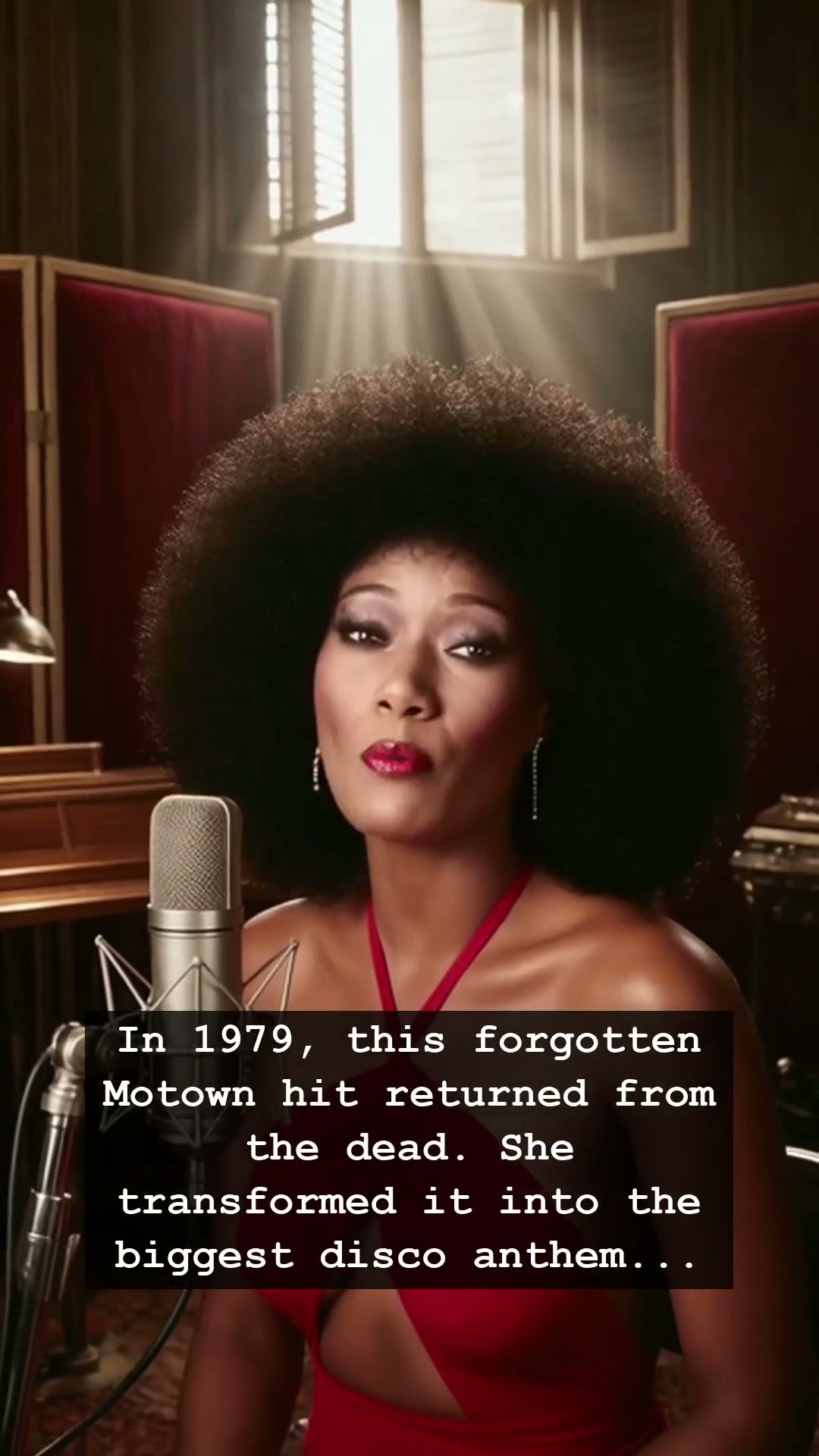
In the smoke-filled, glitter-drenched air of late 1970s New York, there was only one place that mattered: Studio 54. It was a cathedral of excess where the music was loud, the champagne flowed like water, and the boundary between fame and infamy blurred under the rotating mirror ball. In 1979, the floor erupted into a frenzy when a forgotten sixties soul classic returned from the dead, pulsating with a new, dangerous energy. This wasn’t just a cover; it was a resurrection led by the fierce, soulful voice of Bonnie Pointer, who transformed a dusty B-side into the definitive disco anthem that conquered the world.
Bonnie Pointer, one of the original voices of the legendary Pointer Sisters, had long been the group’s secret weapon. But by 1979, she was ready to step out of the shadows of her siblings and claim a throne of her own. She looked back at the Motown catalog, specifically the 1966 song Heaven Must Have Sent You. While the original version was a charming, mid-tempo soul number, Bonnie saw something else. She envisioned a high-octane, sweat-drenched dance floor phenomenon that would demand the attention of every strobe light in Manhattan. Her gamble was immense, as Disco was being fiercely debated, yet she refused to play it safe.
When the track hit the airwaves, it didn’t just climb the charts; it ignited them. Bonnie Pointer took the raw, gospel-inflected heartbreak of the original and infused it with the unrelenting, driving pulse of the disco era. It was a masterclass in musical alchemy. The transformation was so jarring and so exhilarating that it shocked music critics and long-time fans alike. It proved that the spirit of soul could thrive in the synth-heavy, bass-driven landscape of the late seventies. Bonnie Pointer stood at the intersection of two very different worlds, proving that a true melody could survive any cultural shift.
Behind the glitz of the charts, the era was a pressure cooker of ambition and personal cost. The disco movement was both a liberation and a trap for many artists of the time. Bonnie Pointer navigated this transition with a grit that defined the soul of the Motown generation. She brought a visceral, human element to the polished soundscapes of 1979, bridging the gap between the intimate Jukebox memories of the sixties and the massive, arena-filling spectacles of the MTV age. She was more than just a performer; she was a bridge between musical epochs.
Today, when you hear those opening strings, you are transported back to a time when music felt like a revolution you could dance to. Bonnie Pointer left an indelible mark on the landscape of popular music by proving that an old classic never truly dies—it just waits for the right voice to breathe new life into its tired lungs. So next time you feel that disco beat take over, remember the woman who brought a ghost to the dance floor. Her legacy remains a testament to the power of reinvention, echoing through the years long after the lights at Studio 54 have finally gone dark.