
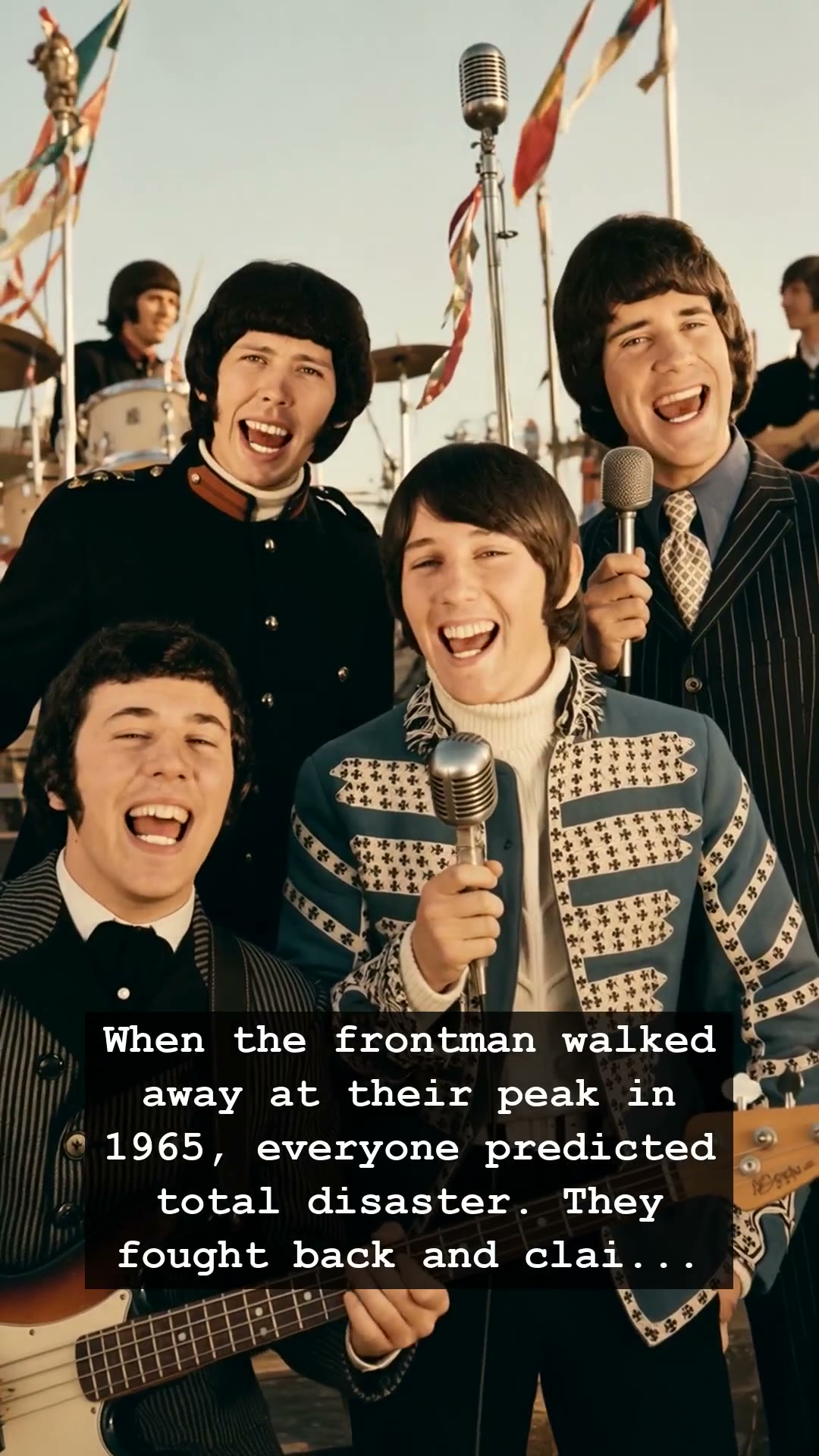
It was 1965, the year the world felt like it was shifting on its axis. The British Invasion was in full swing, and The Tremeloes, led by the charismatic Brian Poole, were riding the crest of the wave. They were the darlings of the London scene, capturing the innocent, jangly energy of the mid-sixties. But then, the unthinkable happened. At the very peak of their fame, Brian Poole, the voice and the face of the band, decided to walk away. The industry was breathless. The consensus among critics and record label executives was unanimous: this was a death sentence for the band. Without their frontman, The Tremeloes were expected to vanish into the shadows of musical history as quickly as they had emerged from the juke joints.
Yet, in a twist of fate that reads like a cinematic redemption arc, the remaining members refused to fade into obscurity. Instead of folding under the immense pressure of losing their lead singer, the band went back to the studio. They locked themselves away, obsessively refining their vocal harmonies and sharpening their instrumental edge. The departure of Brian Poole did not shatter the band; it forced a metamorphosis. They shed their early pop skin and emerged with a sophisticated, soulful sound that resonated far beyond their initial reach, eventually securing the massive international hit Silence Is Golden.
This era was defined by the transition from the frantic energy of early beat groups to the more complex, polished production of the late sixties. While the rest of the world was experimenting with the psychedelic haze of the Summer of Love, The Tremeloes were busy mastering the art of the perfect pop arrangement. Their story is a testament to the resilience of those who call the studio their home. It is a reminder that in the volatile world of rock and roll, survival is not just about raw talent, but about the stubborn refusal to quit when the spotlight dims.
The shadow of Brian Poole always loomed, but the band transformed that potential obstacle into a new identity. Fans of the sixties often wonder what might have happened if the original lineup had remained, but the beauty of their story lies in the evolution. They proved that a band is more than just one charismatic personality; it is a collective spirit. Even today, listening to those harmonies, you can hear the echoes of a band that stared down the end of their career and chose to invent a new beginning instead.
Looking back, the departure of Brian Poole was the catalyst for a legendary career that spanned decades. The Tremeloes went on to conquer the charts and influence a generation of musicians who would later pick up their own guitars. As you spin your old vinyl records tonight, take a moment to appreciate the grit it took to reinvent themselves in the face of public doubt. Some stories in music are about the hits, but the best stories are always about the struggle to keep the music playing.