
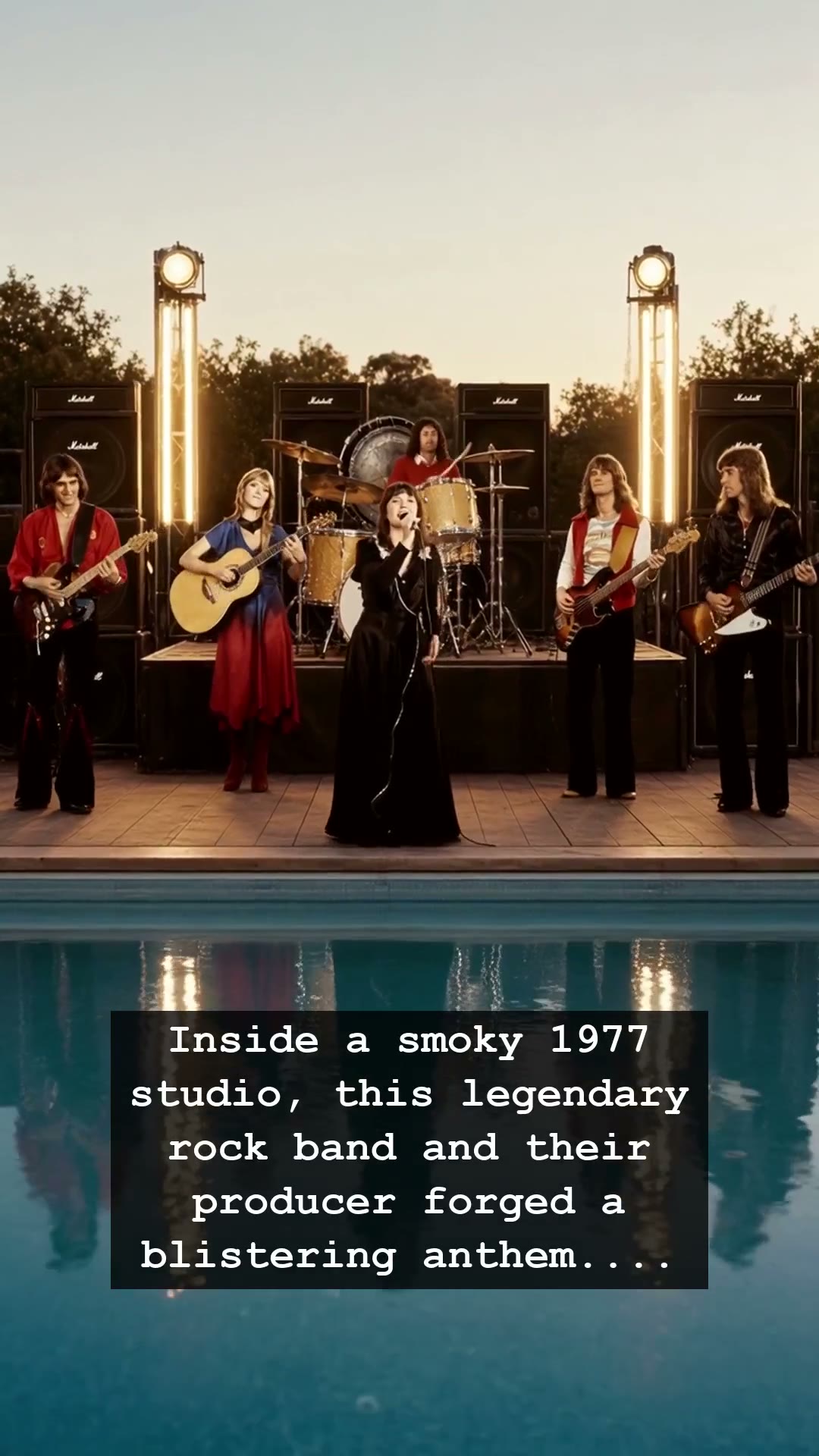
It was 1977, and the air inside the recording studio was thick with the scent of stale coffee and cigarettes. Outside, the world was changing; the grit of the seventies was beginning to lose its edge to the polished, neon-soaked promise of the coming decade. But inside those four walls, a sonic revolution was brewing. Heart, the Seattle-based rock outfit led by the indomitable Wilson sisters, was locked in a creative crucible with their mastermind producer, Mike Flicker. Together, they were hunting for a sound that could cut through the noise of a rapidly evolving music industry, a sound that would eventually birth the blistering, iconic anthem that is Barracuda.
To understand the tension that fueled this track, you have to look at the atmosphere Mike Flicker helped cultivate. The band was fighting a war on two fronts: the relentless pressure of a corporate music machine that wanted them to be poster children for soft rock, and their own burning desire to prove they were a hard-hitting force to be reckoned with. Flicker wasn’t just a producer; he was the architect of their sonic identity. He pushed Ann and Nancy Wilson to find a darker, sharper edge in their performance, turning their frustration with the industry’s manipulative rumors into pure, unadulterated rock and roll gold.
The friction between the band and their label provided the jagged lyrics for the hit, but it was the studio process led by Mike Flicker that gave the song its lethal, driving rhythm. The famous guitar riff, now etched into the DNA of classic rock, was a direct response to the betrayal they felt from music executives who had twisted the sisters’ personal lives into a cheap marketing gimmick. It was a moment of artistic rebellion, a middle finger to the industry that was delivered with such precision that it redefined what a female-fronted rock band could accomplish on the radio waves of the late seventies.
Listening to that record today, you can still feel the heat radiating from the speakers. It captures a time when the analog warmth of the tape machine met the cold, calculated ambition of the recording business. Mike Flicker understood that for the song to resonate, it needed to be more than just a catchy melody; it had to be a document of defiance. The result was a sound that didn’t just top the charts—it survived them, outlasting the disco fever and the synth-pop waves that would soon sweep through every walkman and juke box in America.
Those smoky studio days were the breaking point for many, but for Heart, they were the forge. Looking back at the legacy of the Wilson sisters and the meticulous work of Mike Flicker, we aren’t just remembering a hit song; we are revisiting a moment where integrity was fought for with chords and screams. It is a testament to the raw power of authentic rock music, a reminder that the best stories are often the ones told in the heat of battle. Do you remember where you were the first time that iconic guitar riff hit your ears?