
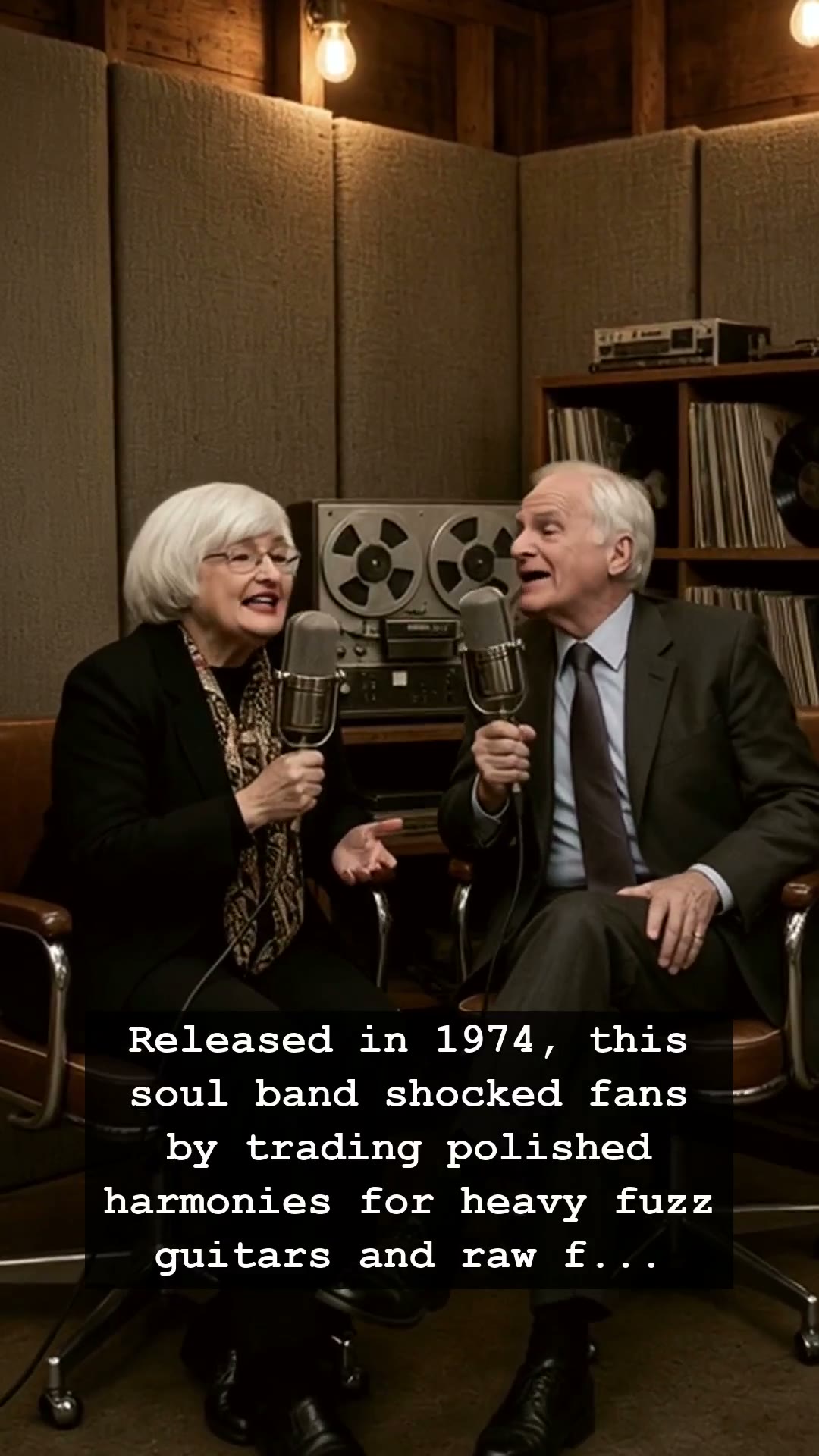
It was 1974, and the airwaves were still vibrating with the polished, sophisticated soul that had defined the Motown era and beyond. If you were a fan of the Chairmen of the Board, you expected the smooth, velvet vocal harmonies of General Norman Johnson. You expected the sophisticated production that had made them household names. But then, the band did the unthinkable. They pivoted. In a move that shocked their core audience and sent ripples through the music industry, they traded their signature Detroit soul sound for the gritty, unrefined textures of heavy fuzz guitars and aggressive, raw funk rock. It was a psychedelic gamble that felt like a jagged piece of glass in a velvet glove.
To understand why this shift was so jarring, one must remember the landscape of the mid-seventies. This was an era transitioning away from the jukebox hits of the previous decade toward the heavier, more experimental sounds of stadium rock and deep funk. The Chairmen of the Board were masters of their craft, known for songs that felt like warm embraces. To suddenly hear them lean into a sound characterized by distortion and frantic rhythmic shifts felt like a betrayal to the traditionalists who bought their records. It was as if the band had walked out of the pristine recording studios of the city and straight into the smoke-filled, underground clubs of a different universe.
Behind this bold artistic decision lay a complex web of industry pressure and personal creative evolution. By 1974, the hunger for something louder and more visceral was permeating the culture. The Chairmen of the Board were not just playing music; they were navigating the survivalist nature of a changing market. They were chasing a spirit of freedom that defined the post-Woodstock generation, a desire to strip away the varnish and expose the raw nerves of their musicianship. Whether this was a calculated risk to stay relevant or a genuine artistic epiphany remains a point of heated debate among music historians and long-time fans even today.
There is something profoundly human about this moment of reinvention. It reminds us that even the most polished icons of the seventies felt the pressure to break out of the boxes they were placed in. Listening to those 1974 recordings now, one can still hear the tension between their past and their desperate reach for a new identity. It was not just about changing the genre; it was about the band asserting their right to be uncomfortable and messy in a world that demanded they remain perfectly tuned and predictable.
This chapter in the story of the Chairmen of the Board serves as a haunting reminder of the fragility of fame and the danger of defying audience expectations. While some listeners walked away, those who stayed found a band unafraid to burn their own bridge. It remains a fascinating case study of an era that allowed, or perhaps forced, its greatest talents to risk everything for a moment of raw, authentic truth. Do you remember where you were when you first heard the shift?