
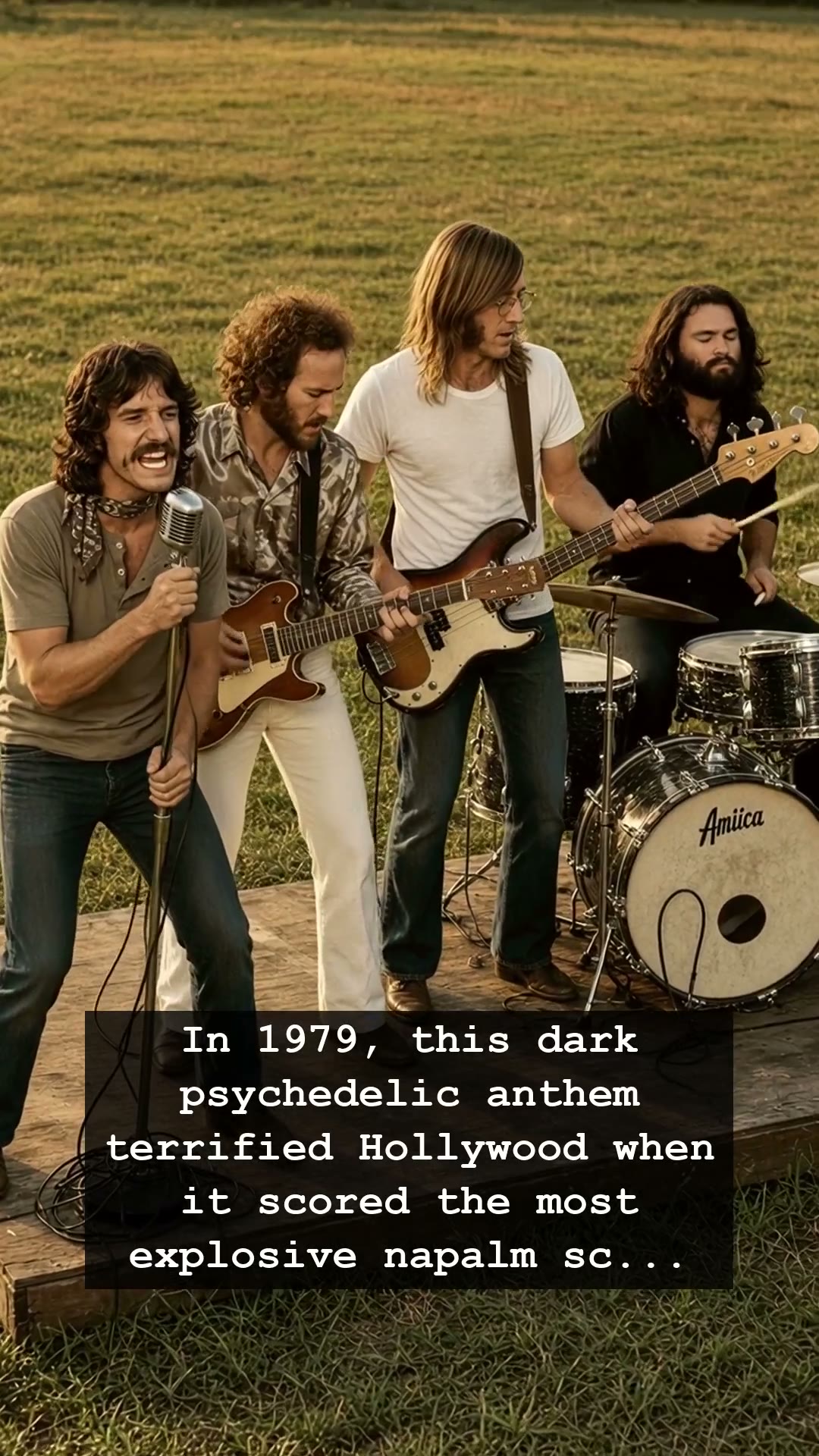
It began with a whisper of jungle mist and ended in a scream that would haunt the silver screen forever. In 1979, as the golden age of the seventies flickered out, Francis Ford Coppola unleashed his cinematic odyssey Apocalypse Now. Yet, it was not just the brutal imagery of napalm-scorched forests or the mechanical thunder of helicopters that froze audiences in their seats; it was the haunting, narcotic pulse of The End by The Doors. This psychedelic anthem, dripping with Oedipal dread and existential decay, transformed a war film into a descent into the madness of the human soul. For a generation accustomed to the radio-friendly gloss of disco, this was a cold, unapologetic reminder of the raw, dangerous power that rock music once possessed.
Jim Morrison, the leather-clad poet-shaman of The Doors, had recorded the track a decade earlier in 1967. Even then, it was an outlier—an eleven-minute hypnotic trance that burned bridges with the sunset strip club owners who wanted danceable pop, not poetic nihilism. The song was a funeral march for the flower power movement, a dark shadow cast over the peace-and-love era. By the time it underscored the napalm scene, the song had transformed from a controversial radio ban into a cultural touchstone. It stood as a bridge between the acid-soaked optimism of the sixties and the cynical, grit-filled reality of the post-Vietnam decade.
There is a peculiar tension in watching such a visceral display of destruction set to the rhythmic, tribal drumming of John Densmore and the swirling, eerie organ work of Ray Manzarek. The Doors always navigated the boundary between high art and rock-and-roll decadence, but this cinematic pairing solidified their legacy as the architects of dread. Hollywood executives at the time were reportedly terrified of the choice, fearing that the song’s dark, almost ritualistic tempo would alienate mainstream audiences. Instead, it elevated the film into the realm of legend, capturing a specific, fleeting moment where rock music dared to be truly transgressive.
To revisit this piece today is to step back into a time when music didn’t just provide a soundtrack; it dictated the emotional frequency of a generation. The Doors remain one of the most enigmatic chapters in American music, a group that thrived on the friction between Morrison’s internal demons and the band’s technical brilliance. Whether you first heard it through the crackle of a vinyl record or experienced its cinematic power in a dark theater, the impact is undeniable. The song carries the weight of history, a sonic relic that refuses to fade into the background of nostalgia.
As the final notes of The End fade into the oppressive heat of the screen, we are reminded of why we keep coming back to these legends. They weren’t just musicians; they were mirrors reflecting the anxieties of their time. The Doors left behind a body of work that continues to challenge, disrupt, and captivate us. Does the haunting echo of Jim Morrison’s voice still send a shiver down your spine, or is it just the ghost of an era that burned too brightly to last?