
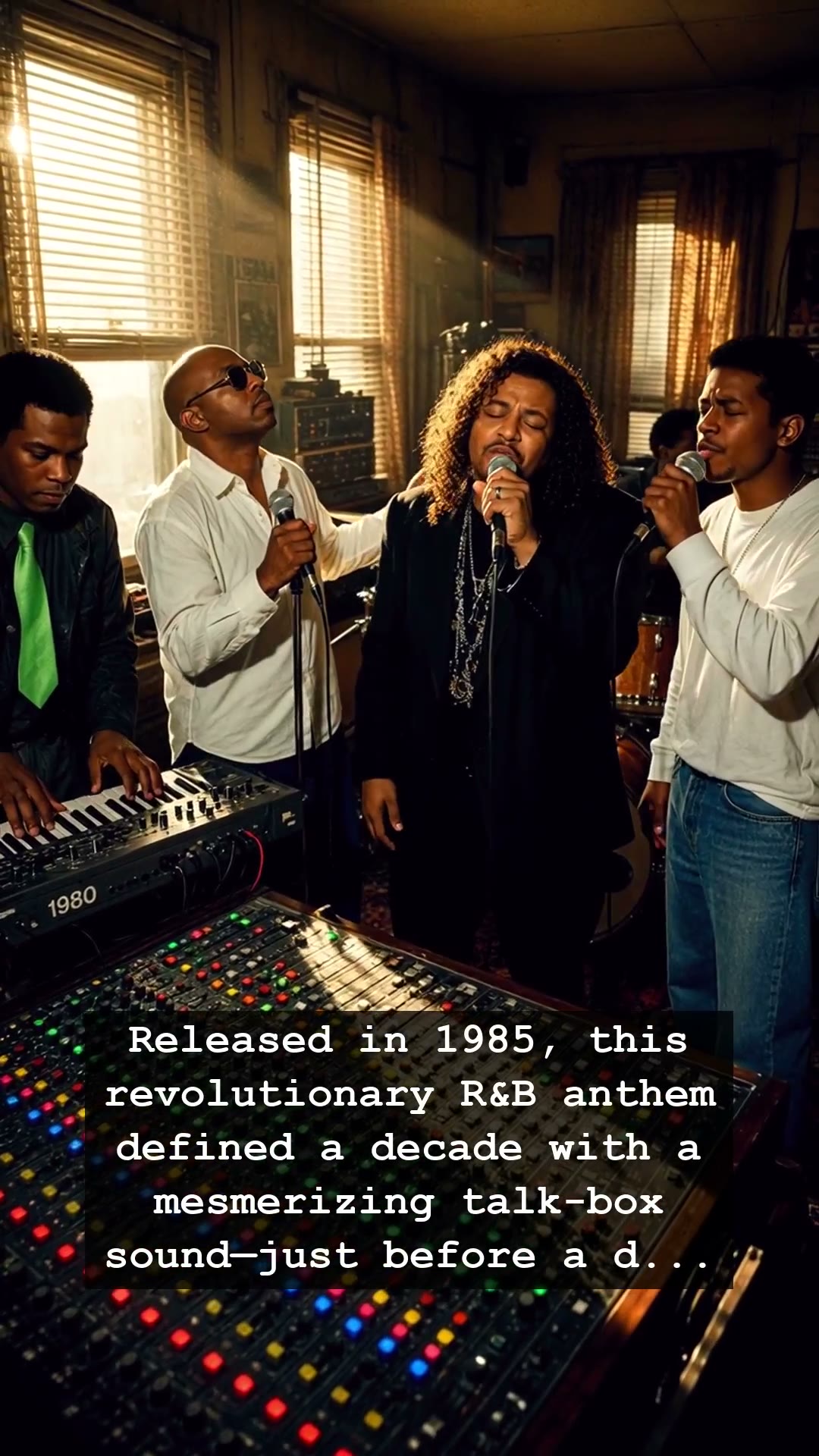
It was 1985, and the airwaves were humming with a sound that felt like it had been beamed down from a distant, neon-drenched future. If you were cruising with your windows down or standing under the flashing lights of a roller rink, you surely remember the metallic, otherworldly vocals that defined the era. This was the magic of Zapp, a band that mastered the talk-box and turned it into the heartbeat of a generation. Their music was the bridge between the grit of soul and the shimmering possibilities of the synthesizer age, a groove so infectious it became the anthem of every block party from Dayton to the Bronx.
At the center of this sonic explosion were the Troutman brothers, a family whose musical DNA seemed wired for greatness. Led by the charismatic Roger Troutman, Zapp didn’t just play music; they engineered an atmosphere. With their signature high-gloss production and rhythmic precision, they made the talk-box—a clunky piece of plastic and tube technology—sound like the voice of an angel. It was sophisticated, it was fun, and it was undeniably cool. In an era dominated by the glitz of MTV and the heavy rotation of dance floor classics, Zapp stood out as the undisputed masters of the funk soundscape.
Yet, the story of Zapp is not merely a tale of chart-topping hits and dance-floor nostalgia. Behind the shimmering distortion of their tracks lay a reality much heavier than the funk basslines they famously laid down. While fans were lost in the hypnotic flow of their compositions, the internal structure of the group was beginning to face the inevitable pressures of fame and family dynamics. The very closeness that birthed their unique sound would eventually become the stage for a haunting, Shakespearean tragedy that would leave the world in shock.
In the late nineties, the unthinkable occurred, silencing the group in a way that remains one of the darkest chapters in R&B history. The brothers, once inseparable in their creative pursuit of perfection, found themselves at the center of an unspeakable act of violence. It was a jarring pivot from the joy of their music to the cold finality of tragedy, a moment that abruptly cut off the legacy they had built. This dark turn served as a somber reminder that behind the curtain of celebrity and the high-fidelity sound of a hit record, the lives of our musical heroes are as fragile and complicated as our own.
Today, when we hear the iconic, robot-inflected vocals of Zapp, the nostalgia is bittersweet. We are transported back to a time when the world felt wide open, defined by the warmth of a Walkman and the communal spirit of the dance floor. We remember the rhythm, the style, and the sheer genius of Roger Troutman. Their music lives on as a testament to an era of unbridled innovation, serving as a reminder to cherish the art and the artists long after the final note fades away.