
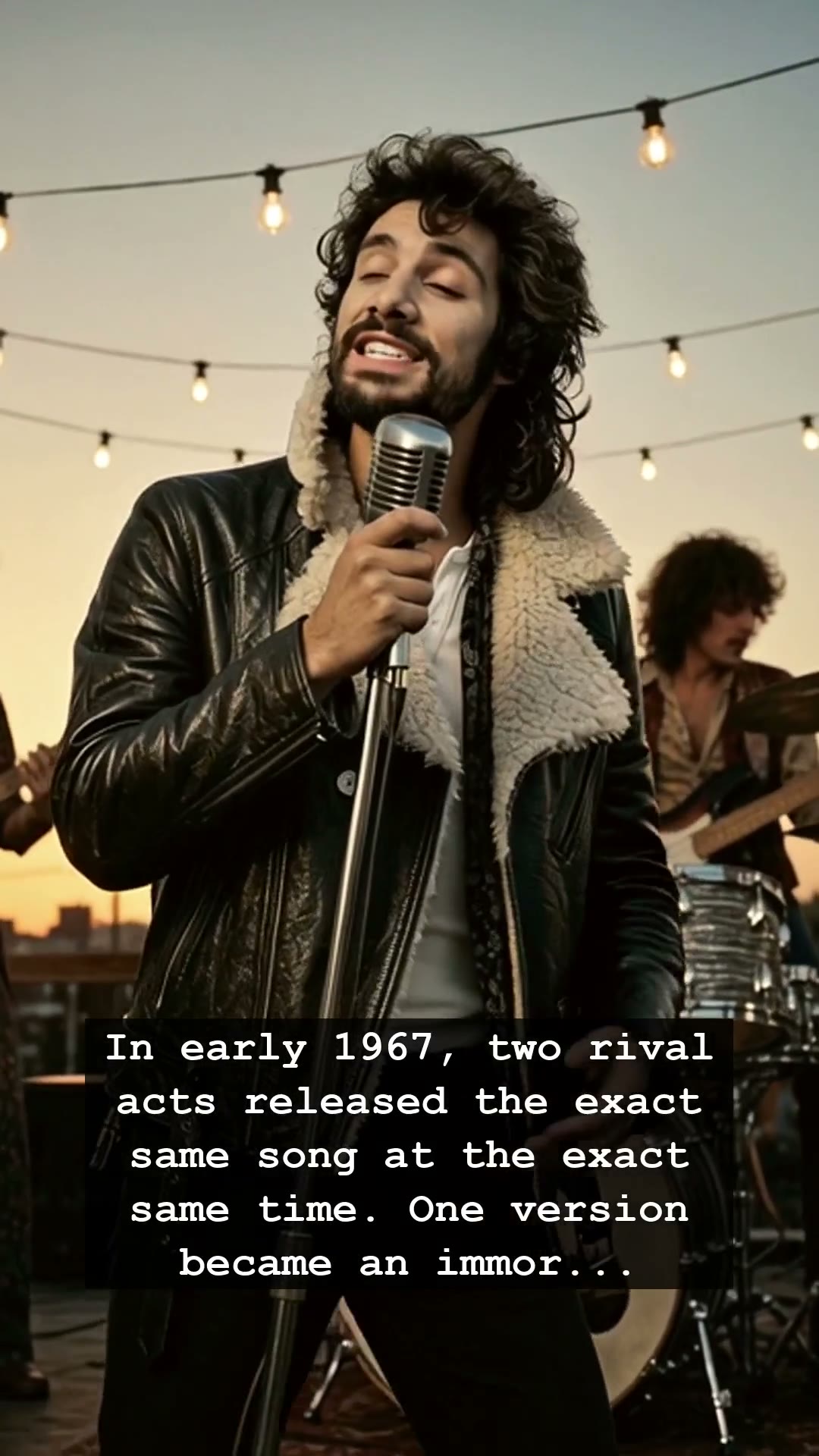
In the golden, hazy landscape of 1967, the music industry was a battlefield where melodies were currency and chart positions were life. It was a time when the Jukebox in every corner diner served as the pulse of the nation, and the airwaves were dominated by a fierce, unspoken competition. Among these sonic collisions, one song stands out as a haunting artifact of the era: The First Cut Is the Deepest. Most fans remember it as the quintessential Cat Stevens ballad, a masterpiece of raw, acoustic vulnerability that defined his career. Yet, history tells a more fractured, dramatic tale of two rival versions colliding in early 1967, each fighting for the soul of a listener’s broken heart.
While Cat Stevens eventually turned the song into an immortal legend, the initial spark was ignited by P.P. Arnold, a soul powerhouse who brought a polished, radio-ready intensity to the track. The industry at the time was a whirlwind of shifting tastes and intense pressure, with labels scrambling to capitalize on the songwriting genius of a young Steven Demetre Georgiou, who would soon become world-renowned as Cat Stevens. The tension between the intimate, coffee-shop vulnerability of the songwriter’s own vision and the orchestrated, studio-slick production of his contemporaries created a fascinating divide that listeners of the era felt deeply.
For Cat Stevens, this period was not just about fame; it was a grueling test of creative identity. He was a young man finding his voice amidst the smoke-filled clubs and the rising influence of studio production that sought to turn every singer into a commodity. The backstory of this song highlights the dark side of that pursuit—the frantic race to record and release hits before the competition could claim the melody as their own. It was a time when your art could be stripped away and polished into something unrecognizable before you even had the chance to let it breathe.
What makes this story resonate so strongly even decades later is the sheer emotional honesty that Cat Stevens managed to infuse into the song despite the chaos surrounding its release. While other artists were distracted by the glitz and the growing pressure of the limelight, he stayed tethered to the ache of the lyrics. It wasn’t just another track; it was a confession. The song became a bridge between the folk traditions of the early sixties and the introspection that would define the singer-songwriter movement of the next decade, a testament to his unique ability to turn personal torment into universal resonance.
Looking back, the battle between these two versions feels like a snapshot of a changing world, caught between the polished sheen of the mid-sixties and the authentic, soul-searching rock that followed. Every time we hear those opening notes, we are transported back to that moment where the industry and the heart were at odds. Cat Stevens proved that true artistic integrity is not just about the melody itself, but about the spirit held within the strings. It is a reminder that the best music never really goes away; it simply waits for us to rediscover the stories hidden deep within the chords.