
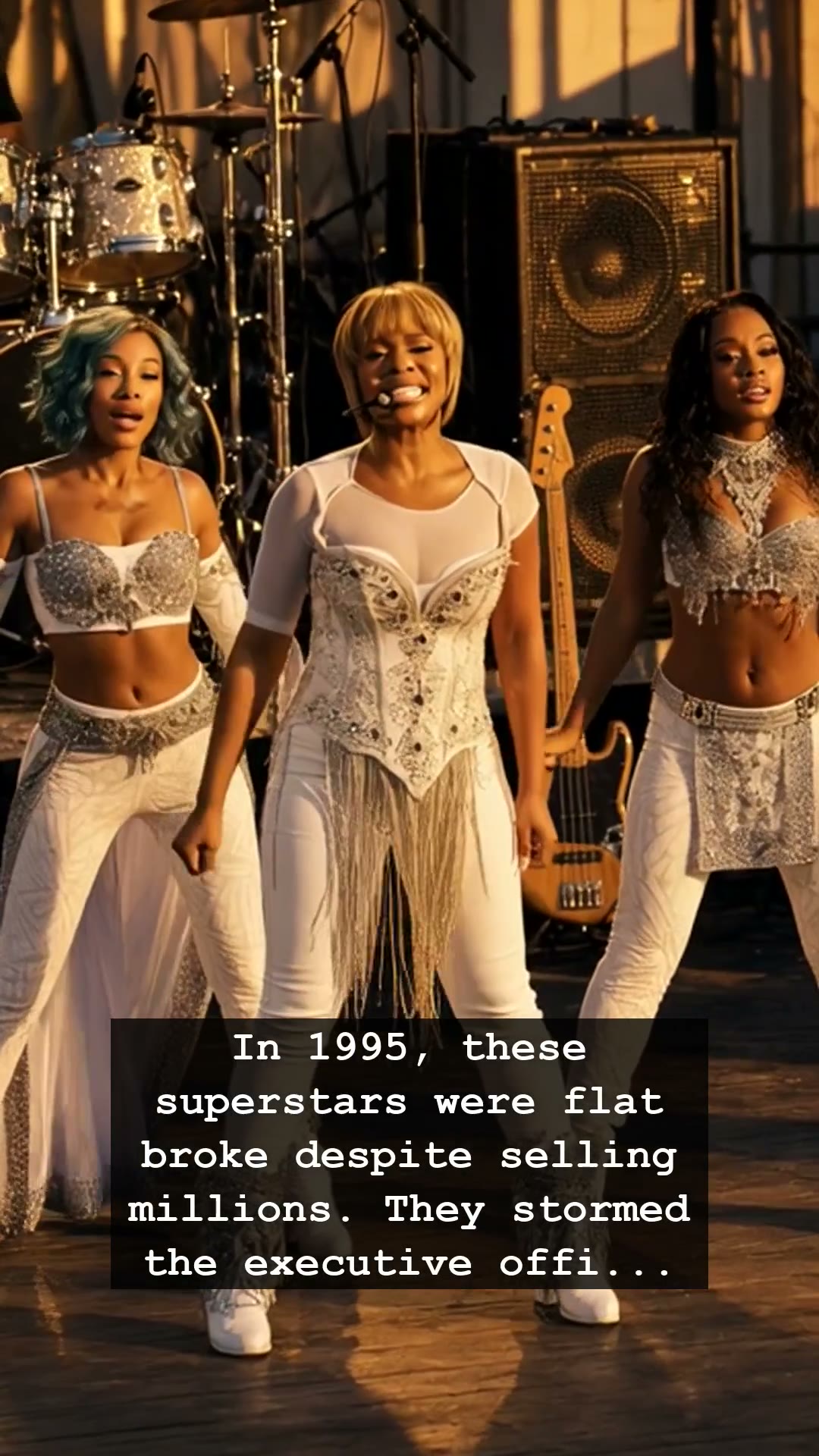
In the golden age of 90s R&B, the world watched in awe as TLC dominated the airwaves. With their signature oversized outfits, colorful condoms pinned to their clothes, and anthems like Creep and Waterfalls, T-Boz, Left Eye, and Chilli were the undisputed queens of pop culture. They seemed to have it all: number-one hits, massive world tours, and the adoration of millions. Yet, behind the polished music videos that lit up our MTV screens, a dark and bitter reality was festering. In 1995, at the absolute height of their fame, the women of TLC were essentially flat broke, caught in a predatory web that left them fighting for their very survival.
It is difficult to reconcile the image of global superstars with the reality of poverty, but the music industry of the mid-90s was a shark tank. Despite selling over ten million copies of their album CrazySexyCool, the group found their bank accounts virtually empty. The math of their record deal was a masterclass in exploitation, leaving the women responsible for the biggest songs of the decade with mere pennies on the dollar. The glamour of the studio was replaced by the suffocating weight of debt, creating a tension that would eventually reach a boiling point, forever changing how artists viewed their own business contracts.
That tension exploded one afternoon in 1995 when T-Boz, Left Eye, and Chilli decided they had finally had enough. In a moment of pure, raw defiance, they stormed the corporate headquarters of their label. The scene was cinematic and chaotic; they marched into the executive offices, demanded that the suits clear the room, and stood their ground until they were heard. It was not just a business meeting; it was a revolution. They refused to leave until the structure of their exploitation was laid bare, demanding every dollar they were rightfully owed for the cultural impact they had made on a generation.
Their courage sparked a necessary conversation about the predatory nature of record labels during the era of the Walkman and the rising dominance of R&B. While they continued to shine as icons of the 90s, their story remains a cautionary tale about the high price of fame. Their conflict was not just about the money, but about the autonomy of artists in an industry that viewed them as products rather than people. The grit they showed that day echoed the spirit of those who fought to claim their worth in a fickle, profit-driven landscape.
Today, TLC is remembered as more than just a musical group; they are symbols of resilience. Their struggle highlights the dark shadows behind the neon lights of the music business. Even now, decades later, when we hear the opening notes of their timeless tracks, we aren’t just listening to hits. We are remembering three women who dared to demand their worth, proving that their legacy is built on far more than just melodies. Their fight remains an essential chapter in the history of modern music, a reminder that behind every anthem, there is a human story that deserves to be heard.