
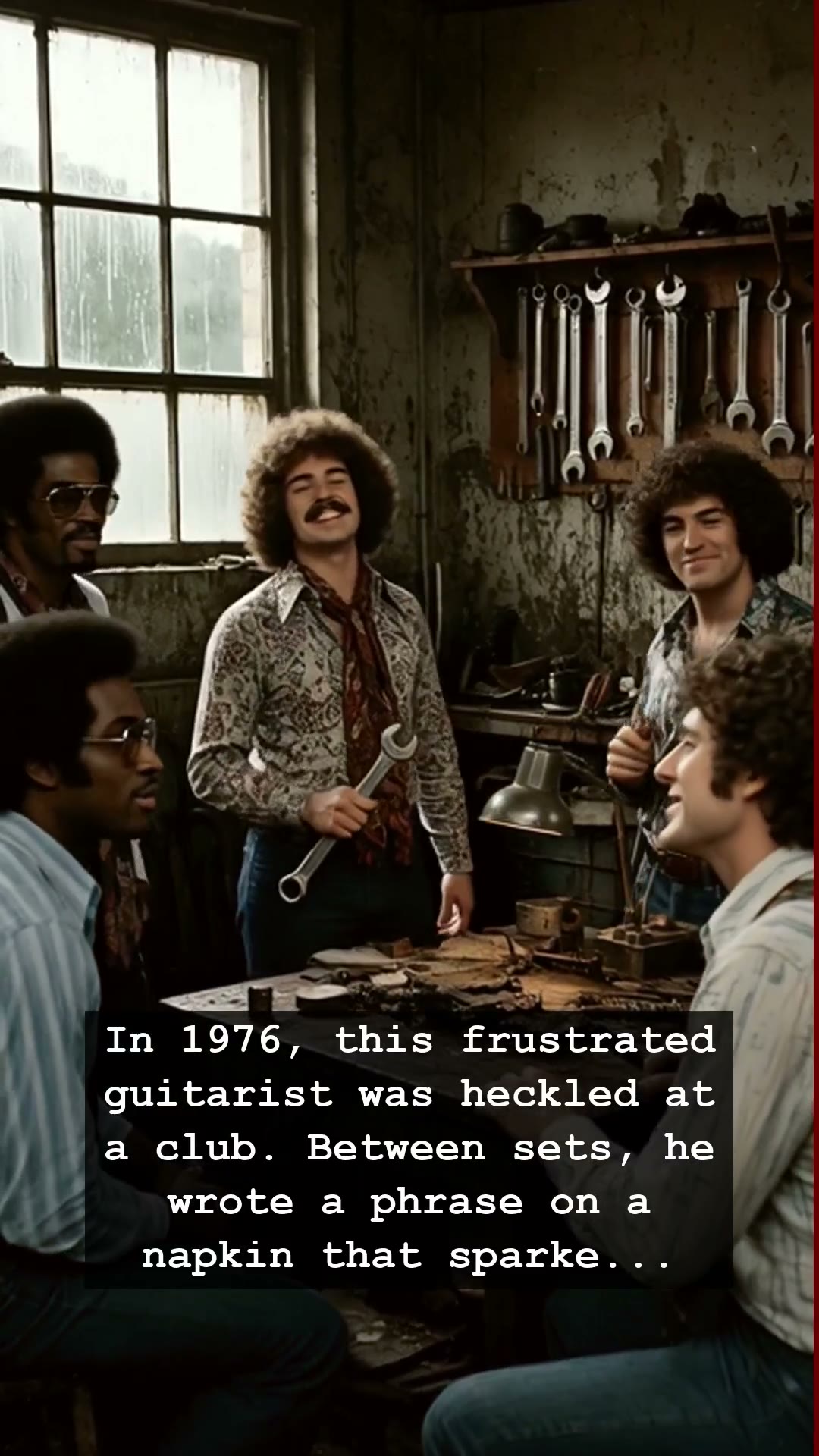
In 1976, the air in American clubs was shifting. The era of gritty, hard-hitting rock was beginning to surrender to the seductive, rhythmic pull of the disco and funk revolution. For Rob Parissi, the frontman of a struggling band called Wild Cherry, the transition was nothing short of a nightmare. They were a quintessential rock group, but the audiences at the local clubs in Pittsburgh and Wheeling were no longer interested in guitar solos. They wanted to dance, and they made their dissatisfaction known with biting heckles and empty dance floors. The band was drowning in the pressure of a changing musical landscape, and the frustration was becoming impossible to ignore.
It happened on a night that felt like any other, defined by the clinking of beer bottles and the cold apathy of a crowd that wanted a different vibe. During a break, while sitting in the dim, smoky corner of a club, Parissi stared at a cocktail napkin. Amidst the chaos of the room and the stinging rejection from his own audience, he scribbled down a phrase that had been whispered to him earlier by a patron who was tired of the rock-heavy sets: Play that funky music, white boy. It was meant to be a jab, a moment of racial tension and musical friction, but in Parissi’s hands, it transformed into the spark of a legend.
Wild Cherry took that napkin back to the rehearsal space, stripping away their rock ego to embrace the groove. When they hit the studio, the resulting track, Play That Funky Music, was electric. It was a cross-genre explosion that captured the tension of the mid-70s perfectly. The song did not just become a hit; it became an anthem that defied the rigid boundaries of the radio stations of the day. It rocketed to the top of the Billboard Hot 100, forever cementing Wild Cherry as a one-hit wonder that punched well above its weight class.
Looking back, the success of Wild Cherry serves as a poignant reminder of the volatility of the American music industry during the mid-70s. It was a time when the Jukebox culture was evolving, and bands were forced to adapt or vanish. The story of Parissi and his bandmates is the story of a desperate pivot, a moment where the harsh reality of being heckled was channeled into the most infectious hook of the decade. They proved that sometimes, the greatest art is born from the most crushing moments of humiliation.
Today, when that iconic guitar riff kicks in at a wedding or a late-night diner, it carries the weight of a bygone era. It represents the grit of the 70s and the sheer, unpredictable magic of music history. Wild Cherry may have been a product of a specific moment, but their legacy proves that with a little bit of luck and a napkin, you can turn a bad night into a masterpiece that lasts for decades.