
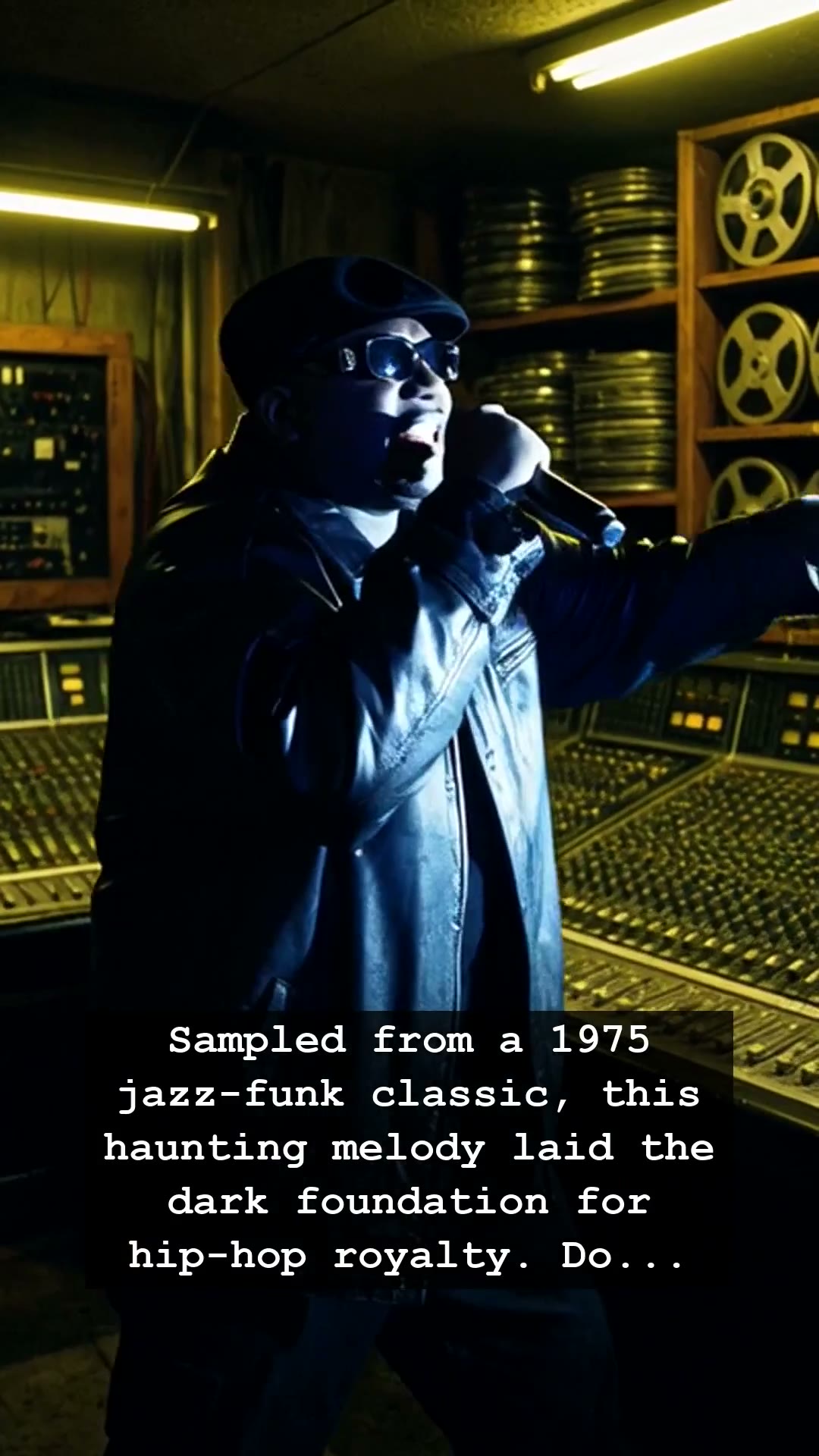
It began as a shimmering, sophisticated piece of 1975 jazz-funk brilliance, hidden away in the crates of vinyl collectors and music aficionados. But beneath the lush, soulful textures of George Duke, there lay a sinister, hypnotic melody that was destined to haunt the future of music. For decades, this masterpiece sat quietly in the archives of history, waiting for the right moment to emerge. It was not until the golden age of hip-hop that this sonic secret was unearthed, providing the ominous, spine-chilling foundation for one of the most iconic rap anthems in history. The transition from the smoke-filled jazz clubs of the seventies to the gritty, asphalt-paved streets of the nineties is a testament to the timeless, atmospheric power of George Duke.
To understand the magnitude of this evolution, one must step back into the mid-seventies, an era defined by the tactile warmth of the analog studio and the burgeoning spirit of experimentation. George Duke was already a titan of his craft, a virtuoso who blurred the lines between jazz, funk, and R&B with effortless grace. His compositions were complex, vibrant, and alive, yet they possessed a hidden, melancholic depth that few could replicate. He was an architect of sound, blending the frantic energy of the era with a soulful curiosity that bridged the gap between complex jazz arrangements and the burgeoning disco movement that would soon overtake Studio 54.
The genius of George Duke was his ability to create melodies that felt like characters in a drama—sometimes uplifting, often moody, and always deeply evocative. The specific track that would later become a cornerstone of hip-hop history was born in a time of radical musical transformation. When you listen to the original recording today, the pristine fidelity of the synthesizers and the subtle, rhythmic pulse of the bass reveal a man who was lightyears ahead of his time. It is a haunting, cinematic experience, a sonic photograph of an artist who allowed his darkest artistic instincts to breathe within a framework of soul.
When modern producers stumbled upon these forgotten archives, they heard more than just a jazz standard; they heard an atmosphere. They stripped back the layers, isolating that melancholic loop to create a sinister vibe that defined the dark, gritty aesthetic of hardcore hip-hop. It is a strange, beautiful cycle: the artistry of George Duke, captured on magnetic tape in 1975, became the ghost in the machine for a new generation of urban storytellers. The juxtaposition of the polished jazz-funk of the past and the jagged, aggressive beats of the hip-hop era created a bridge between two worlds that, on the surface, seemed impossible to connect.
Today, this legacy serves as a reminder that the music we hold dear never truly dies; it simply waits to be reimagined. Whether it is playing on a vintage turntable or humming through a digital streaming service, the influence of George Duke remains an invisible thread connecting the pioneers of the seventies to the icons of today. His music invites us to listen closer, to look for the shadows in the sunshine, and to appreciate the dramatic, complex history hidden in every groove of a record. As the needle drops, the past whispers once more, proving that true artistry is truly eternal.