
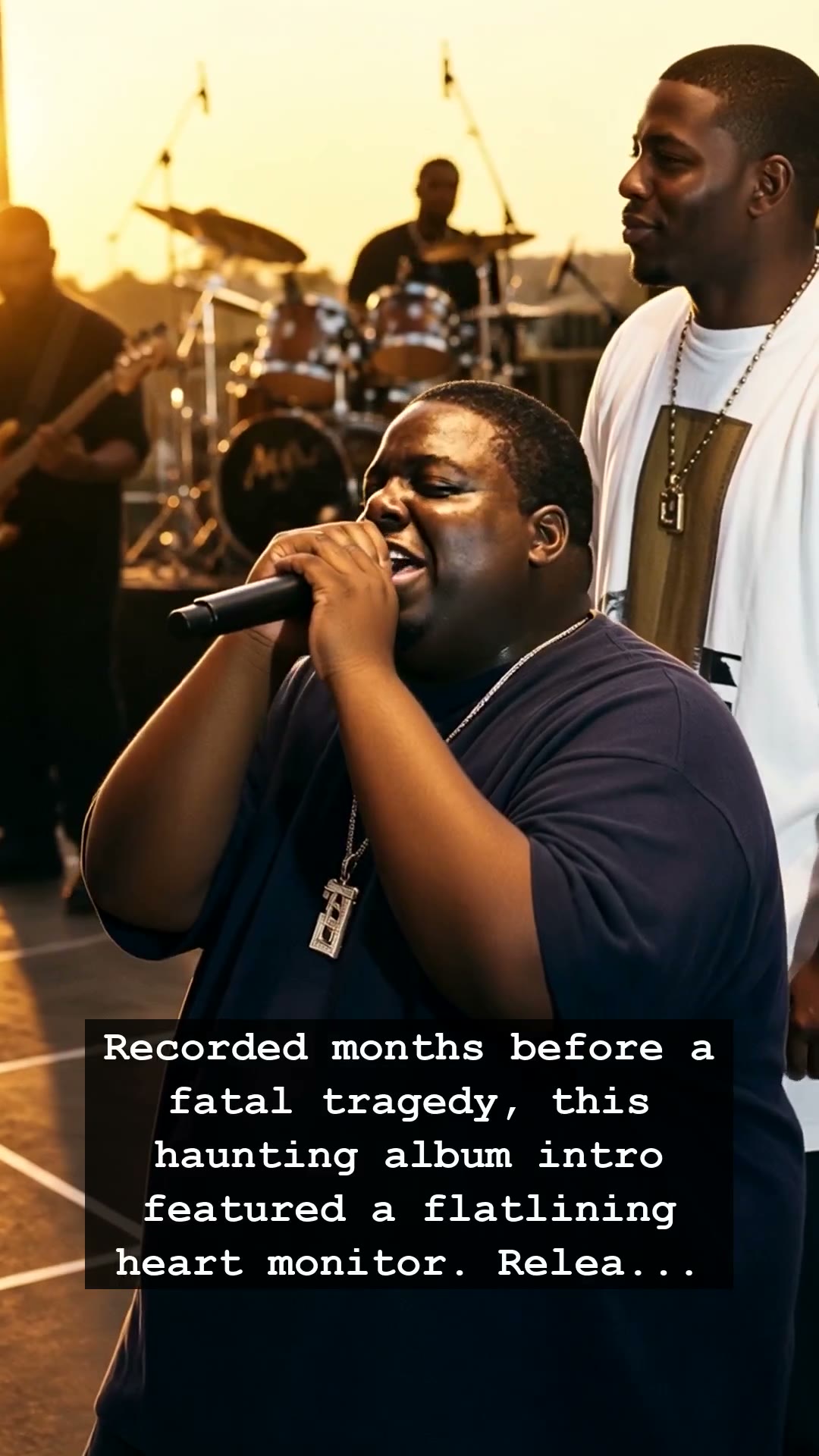
It was March 1997, and the air in Los Angeles felt heavy with a sense of impending doom that few could articulate. Just sixteen days after the world lost Christopher Wallace, known globally as The Notorious B.I.G., his second studio album Life After Death hit the shelves. It was a masterpiece of storytelling, but it was the very first track that stopped listeners in their tracks. As the album began, the music did not start with a boom or a boastful lyric. Instead, it opened with the unmistakable, high-pitched, steady drone of a flatlining heart monitor. For those who had just mourned the loss of the King of New York in a drive-by shooting, the sound was not just a clever production choice; it was a haunting, accidental prophecy that felt like a direct transmission from beyond the grave.
To understand the gravity of this moment, one must look back at the suffocating tension of the mid-90s hip-hop scene. The East Coast versus West Coast rivalry had transformed from competitive lyrical sparring into a genuine, lethal feud that claimed the lives of icons. The Notorious B.I.G. was at the center of this cultural wildfire. He was a man who had ascended from the streets of Brooklyn to the dizzying heights of global fame, carrying the weight of his entourage and the pressure of a label war on his shoulders. He lived the life he rapped about—the luxury, the danger, and the isolation that comes with being a target in a game that had lost its moral compass.
Recording this intro months before the tragedy, Biggie Smalls likely intended for the heart monitor to signify a thematic transition—a metaphorical death of his old persona or a dramatic flair for his cinematic album narrative. He was an artist who understood the power of theater, often treating his life like an epic crime drama. Yet, when the reality of his untimely death caught up with the art, the lines blurred forever. Fans sitting in their cars, clutching their Walkmans, heard that flatline and felt a cold shiver. It was a grim reminder that in the world of gangsta rap, the exit is often as sudden as the entry.
This moment resonates today because it captures the ephemeral nature of fame during the golden era of hip-hop. The Notorious B.I.G. was more than just a rapper; he was the voice of a generation navigating the chaotic transition into the new millennium. His death marked the end of an era where street authenticity was the highest currency, long before the sanitized, algorithm-driven world of modern music took over. The, shock, grief, and subsequent worship of his catalog cemented him as a tragic hero of the American music canon.
Even decades later, playing that album brings back the specific atmosphere of 1997—the flickering neon of the urban landscape, the thick basslines rattling windows, and the lingering sadness of a life cut short. The Notorious B.I.G. remains a titan, not just for his incredible flow, but for this final, ghostly communication. As the monitor flatlines, we are reminded that while the music stays eternal, the heartbeat behind it is far more fragile than any of us would like to admit.