
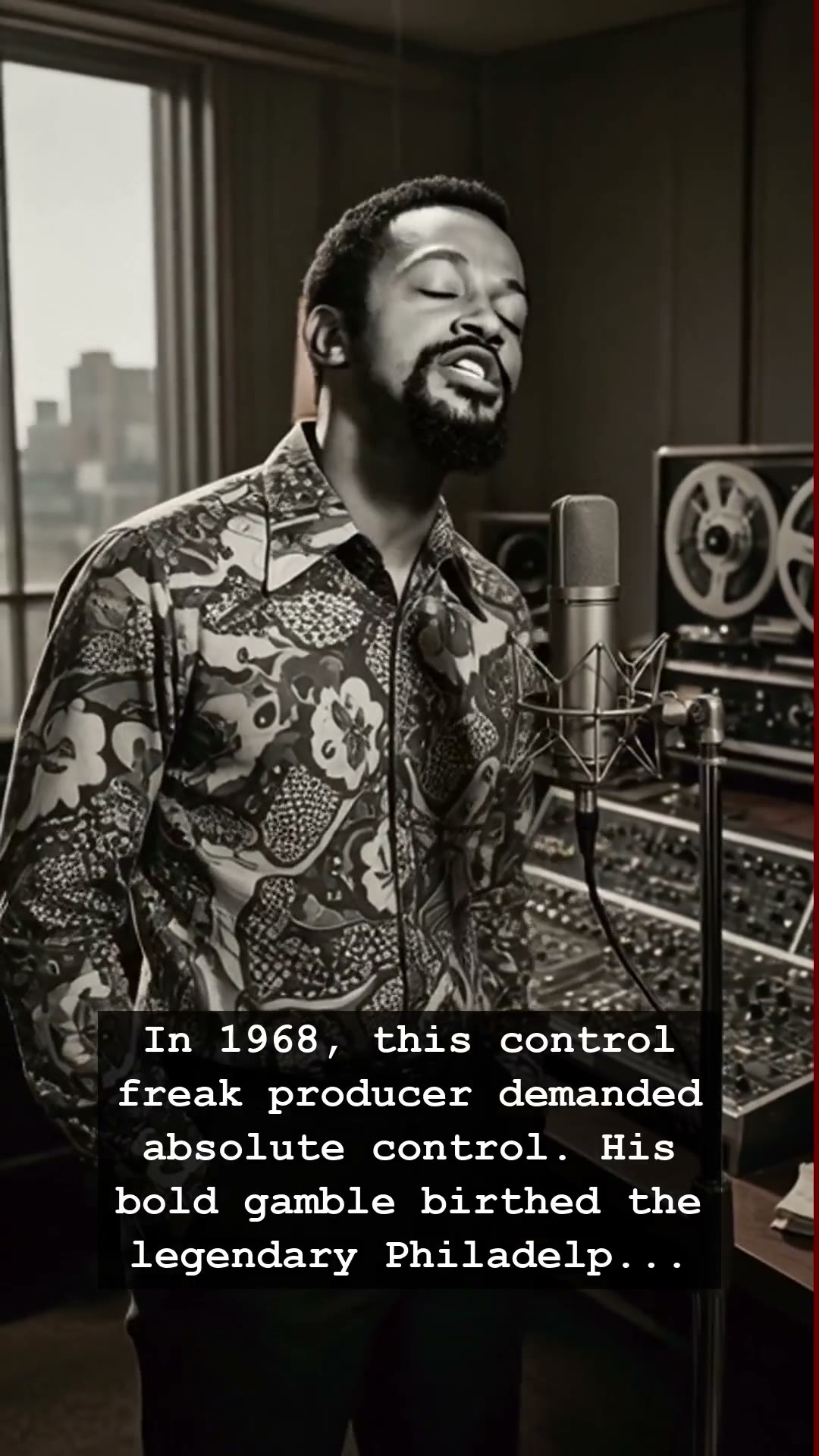
In 1968, the atmosphere inside Sigma Sound Studios was thick with tension. While the rest of the world was descending into the chaotic, fuzz-drenched uncertainty of psychedelic rock, one man stood at the mixing console, sweating over every single orchestral note. He was not just a producer; he was a tyrant of melody. Thom Bell, a name now etched into the golden pantheon of R&B, demanded absolute, suffocating perfection from every session musician he hired. He wasn’t interested in the raw, unrefined energy of the garage band era. He wanted elegance, he wanted sophistication, and above all, he wanted a sound that defied the grit of the streets.
At the time, the airwaves were dominated by the rougher edges of soul and the rising tide of protest music. But Thom Bell had a different vision. He envisioned a marriage between the delicate, sweeping majesty of classical strings and the deep, syncopated heartbeat of rhythm and blues. This was the dawn of the Philadelphia Soul sound, a lush, cinematic landscape that felt like a velvet glove draped over a steel fist. Bell orchestrated his arrangements with the precision of a classical composer, often driving his musicians to the brink of frustration as he insisted on countless takes to capture a specific, shimmering frequency that existed only in his mind.
When he sat down to work with groups like The Delfonics, the results were nothing short of alchemy. Listen to the opening bars of La-La (Means I Love You) or the haunting vulnerability of Didn’t I (Blow Your Mind This Time). You aren’t just hearing a song; you are hearing the manifestation of Thom Bell’s obsessive focus. He treated the recording studio like a high-stakes operating theater, surgically removing the excess until only the purest, most poignant emotions remained. It was a stark contrast to the wild abandon of Woodstock, offering instead a polished, metropolitan sophistication that defined the late sixties and early seventies.
This control freak mentality, while exhausting for his peers, birthed a timeless aesthetic that would eventually pave the way for the smooth, orchestral soul of the mid-seventies. Thom Bell became the architect of a genre that felt both intimate and grand, capturing the heartbreak of urban life while elevating it with sweeping violin crescendos. It was the music of transistor radios and dimly lit dance floors, a polished veneer that hidden the complex, often painful labor required to produce such effortless beauty. His work became the sonic blueprint for an entire generation of hitmakers who followed in his footsteps.
Decades later, the legacy of Thom Bell remains undeniable, echoing through modern neo-soul and beyond. Every time you hear those shimmering strings blend perfectly with a soulful vocal line, you are experiencing the echoes of his uncompromising vision. He showed us that drama and melody could coexist in a perfect, manufactured harmony. As we look back at the history of American music, we find that the most enduring sounds are often those born from the most intense, demanding moments of creative obsession. It makes you wonder: what other hidden geniuses were hiding in the shadows of the studio, waiting for their chance to change the world one note at a time?