
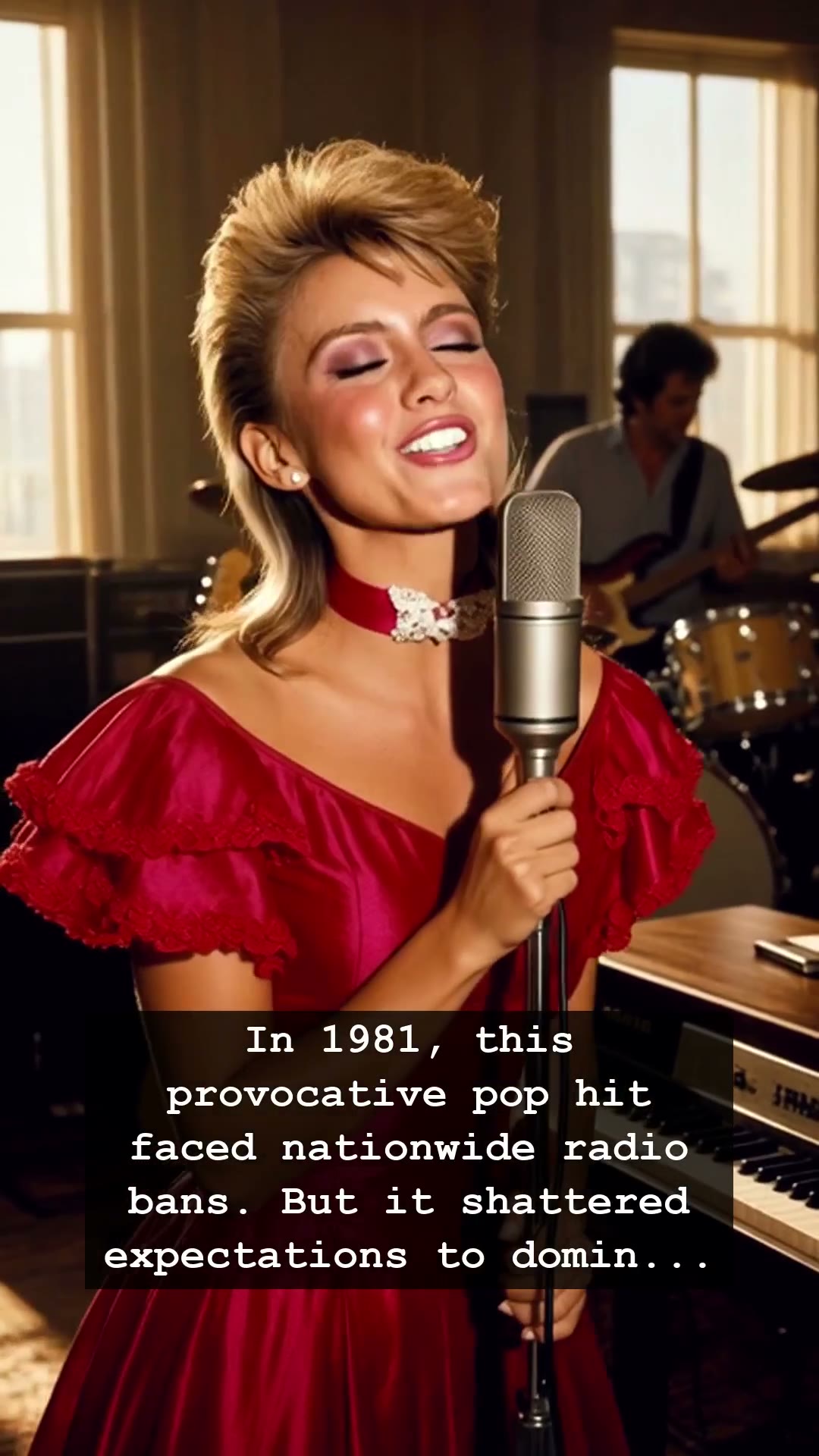
In 1981, the airwaves were not just filled with music; they were a battleground for morality. When a certain synth-pop anthem hit the radio, it wasn’t just a song—it was a societal provocation that triggered immediate nationwide bans. Radio stations clutched their pearls, deeming the lyrics too scandalous for the American public. Yet, behind this controversy sat a quiet, meticulous architect of sound: John Farrar. While the public focused on the singer’s provocative transformation, it was the genius of John Farrar that turned a risky concept into a record-breaking phenomenon that dominated the charts for ten unforgettable weeks.
John Farrar had already established his creative partnership with Olivia Newton-John long before the glittery, neon-soaked days of the early eighties. But this specific track required a departure from the country-pop roots they were known for. Farrar understood the shifting landscape of music. He saw how the disco era was bleeding into the crisp, mechanical precision of the burgeoning synth-pop movement. He took the heavy, pulse-pounding rhythm and anchored it with a bassline so infectious it felt like a physical heartbeat. He knew that for the song to transcend its controversy, it needed to be undeniably, irresistibly catchy.
As the world of the early 1980s was becoming increasingly defined by the rapid rise of MTV and the portability of the Walkman, John Farrar was busy in the studio perfecting the arrangement. He was not just a songwriter; he was a sonic engineer who understood that tension sells records. By layering synthesizers over a relentless, throbbing drum beat, he created a soundscape that felt both futuristic and deeply grounded in the human experience. The song’s massive success was a direct reflection of his ability to harness the exact frequency of the zeitgeist, proving that even in the face of widespread censorship, quality production ultimately finds its way to the top.
The drama behind the scenes was as thick as the air inside those smoke-filled recording studios. Many executives were terrified that the explicit nature of the lyrics would ruin the career of the artist. Yet, John Farrar stood by his production choices, believing that the music possessed an underlying irony that the critics were too blinded by moral panic to hear. He took a bold gamble, betting that the audience would value the sheer energy of the track over the pearl-clutching protests of the mainstream media establishment. He was right, and the result remains one of the most iconic pieces of pop history.
Today, when you hear those first few bars of Physical, the memories of the era come rushing back. It brings to mind the bold fashion, the experimental sounds of the post-disco landscape, and a time when a pop song could still shock a nation to its core. John Farrar created a timeless relic of a turbulent time, a testament to how controversy often serves as the best fuel for creative longevity. It serves as a reminder that the best music doesn’t just ask to be heard; it demands to be felt. Do you remember where you were when the world finally stopped arguing and started dancing to his beat?