
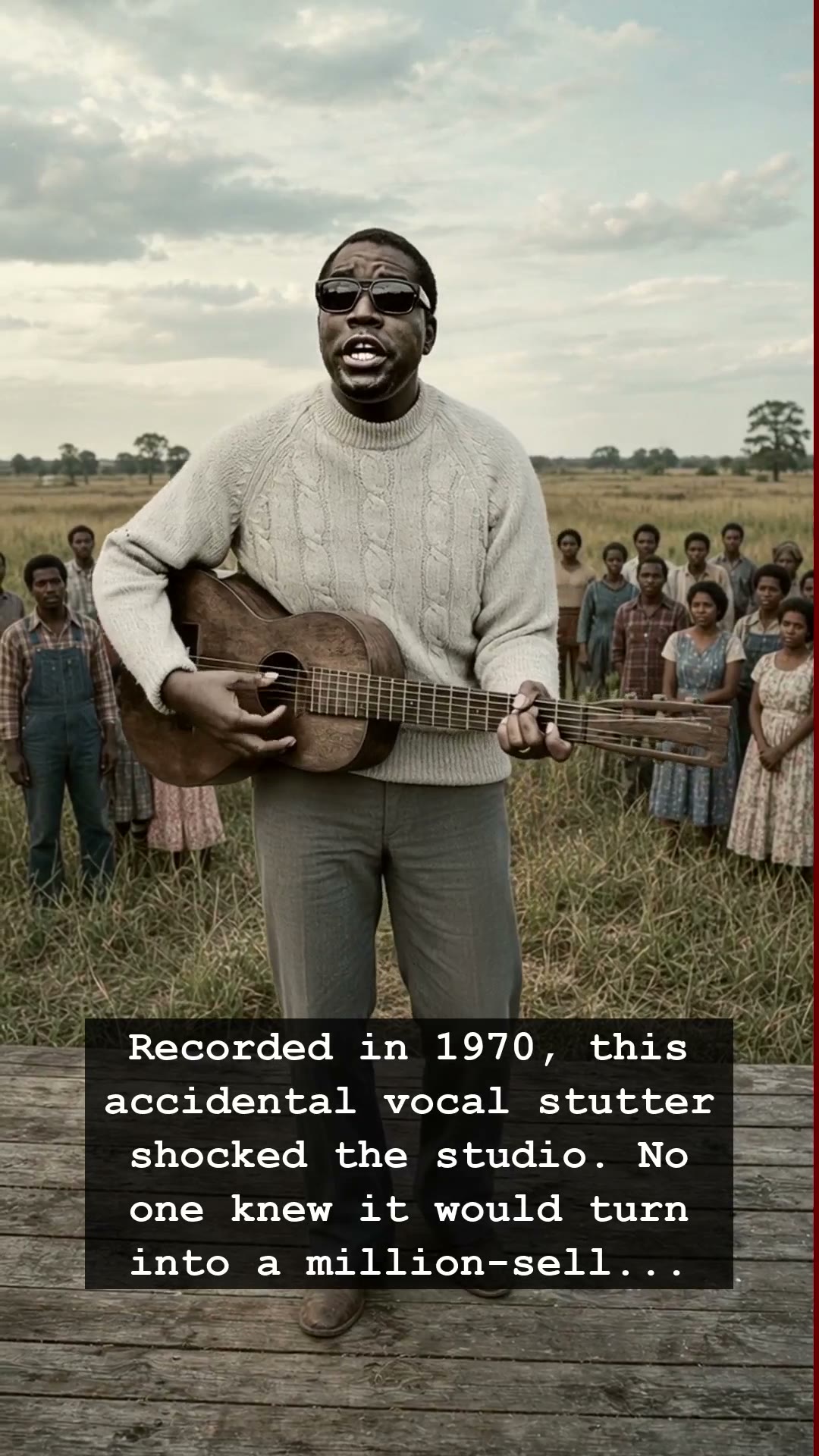
The year was 1970, and the air inside the Muscle Shoals recording studio was thick with the scent of vintage tube amplifiers and the lingering tension of a creative breakthrough. Clarence Carter, a man whose voice was already a cornerstone of the burgeoning Southern soul movement, stood before the microphone. He was there to record a track that would eventually define a generation, but the session took a turn that no producer could have scripted. Midway through a take, a small, involuntary vocal stutter escaped his lips. It was a fleeting, raw moment of human imperfection in an industry that constantly demanded the polished, manufactured sounds of the era. The room went dead silent, the engineers froze at the console, and for a heartbeat, everyone thought the take was ruined.
Yet, as Clarence Carter listened to the playback, the atmosphere shifted. That stutter was not a flaw; it was a revelation. It sounded like the genuine catch in the throat of a man overwhelmed by heartache, a sonic texture that mirrored the desperate, soul-baring lyrics of the song he was pouring his life into. In the golden age of Motown and soul, where artists were often polished until their edges were smoothed away, this honest lapse felt dangerous and electric. Clarence Carter decided to keep it in, unknowingly etching a permanent mark on music history. It was a testament to the raw, unfiltered emotional truth that made soul music the beating heart of America during that tumultuous time.
To understand the gravity of this moment, you have to picture the landscape of 1970. Outside the studio walls, the world was changing. The idealism of the Woodstock era was beginning to fray, replaced by a grittier, more introspective reality. Music was no longer just about lighthearted dance numbers; it was about the complex, often painful business of living. People were finding solace in their living rooms, spinning vinyl on their turntables and connecting with the weary, soulful delivery of artists like Clarence Carter. His ability to turn a technical mistake into a narrative device proved that he wasn’t just a singer, but a master storyteller of the human condition.
That recording session remains a legendary piece of lore for soul music aficionados. It stands as a reminder that the best art often emerges from the cracks in our carefully constructed personas. While many artists of his time were chasing the high-gloss production values that would eventually lead to the rise of disco and the glitz of Studio 54, Clarence Carter stayed true to the deep-rooted tradition of Alabama soul. He proved that you didn’t need elaborate studio gimmicks when you had the kind of authentic, bruised vocal delivery that could reach through a speaker and grab a listener by the collar.
Today, when we revisit the catalog of Clarence Carter, we aren’t just listening to notes on a page; we are listening to a man who lived his music. That accidental stutter remains a haunting, beautiful touchstone for anyone who believes that beauty is often found in our most vulnerable moments. It serves as an enduring bridge to a time when soul music was the soundtrack of our deepest joys and our hardest lessons. Next time you drop the needle on a Clarence Carter record, listen closely for that split-second tremor—the heartbeat of a legend that changed music forever.