
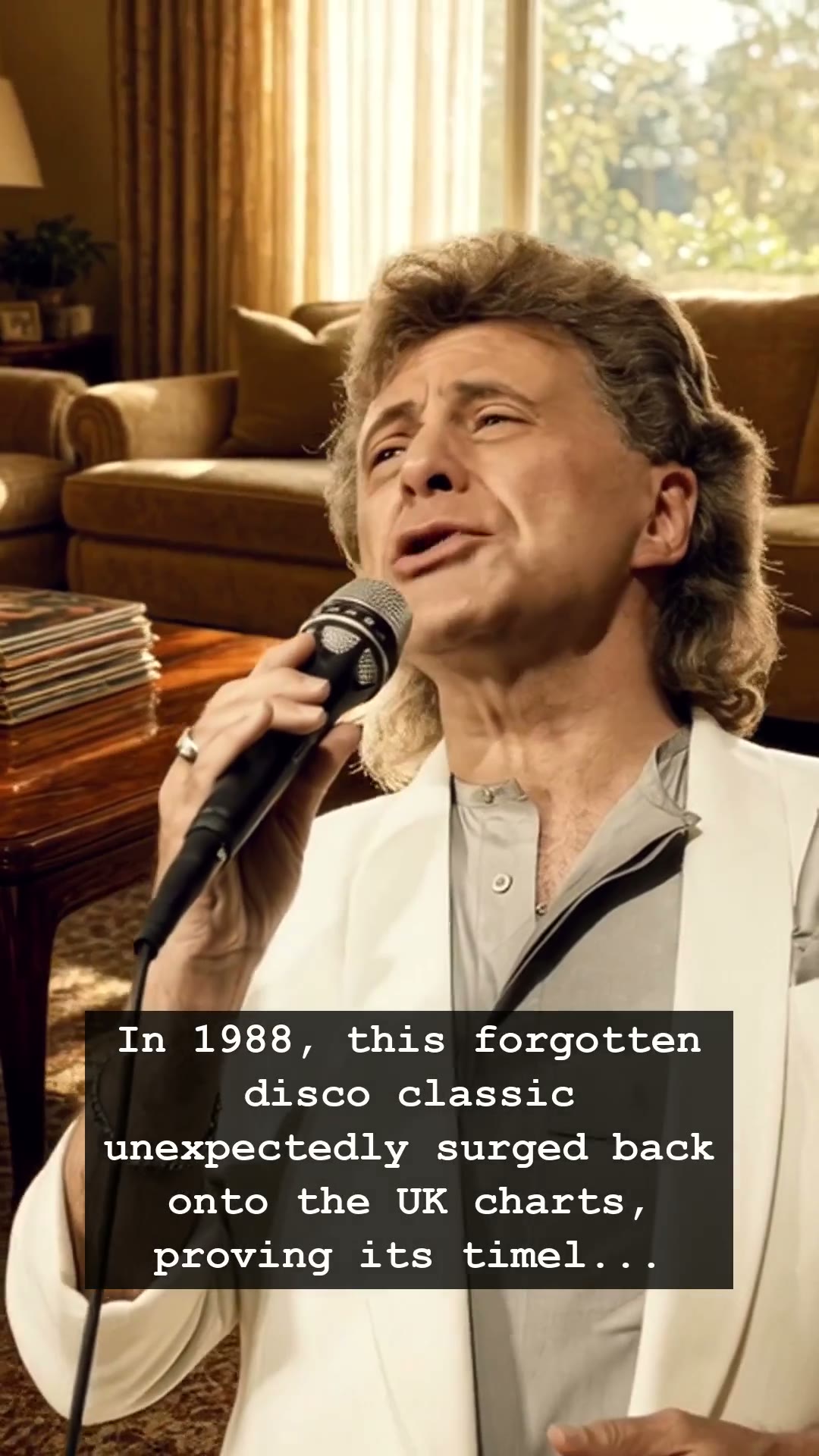
It was 1988, an era dominated by the jagged edges of synth-pop and the neon glare of hair metal. Yet, amidst the clatter of a changing musical landscape, a ghost from the dancefloor suddenly materialized. The airwaves of the United Kingdom were hijacked by a sound that seemed long buried—a soaring falsetto that refused to be forgotten. Frankie Valli and the Four Seasons, legends already cemented in the bedrock of American music, witnessed an improbable second life as their disco-era gem clawed its way back to the top of the charts, proving that true melody possesses a haunting, eternal pulse.
To understand the magic of this return, one must look back to the mid-seventies, when the world was spinning under the mirrored balls of Studio 54. While many purists viewed the disco explosion as a threat to the grit of rock and roll, Frankie Valli and the Four Seasons navigated the shift with the grace of survivors. They weren’t just a jukebox act; they were chameleons. They took their classic doo-wop foundations and draped them in the shimmering, syncopated rhythms of the disco age. It was a risky gamble that could have alienated their traditional fanbase, yet the result was an undeniable anthem that lived in the hearts of millions.
But fame is a fickle beast, often casting aside yesterday’s heroes once the trends move on. By the early eighties, the band’s dominance had faded into the background noise of MTV, replaced by the digitized beats and dramatic visuals of a new generation. The song, once a ubiquitous fixture of clubs and radio, was relegated to the dusty bins of record stores and the memories of those who lived through the era of the Walkman. It seemed as though the groove had finally been silenced by the relentless march of time.
Then came 1988. Much like a flickering candle that refuses to die, the track found a new audience in Britain, sparking a fever that swept across the charts with inexplicable intensity. It wasn’t just nostalgia; it was a testament to the songwriting prowess of Frankie Valli and the Four Seasons. Their ability to fuse emotional vulnerability with an infectious, rhythmic drive meant that even a decade later, the song sounded as fresh as the day it was recorded. It was a reminder that history doesn’t just pass us by; it waits for the perfect moment to return.
Even today, listening to the crisp, high-register vocals of Frankie Valli, one can still feel the weight of that legacy. It is a story of resilience against the backdrop of an industry that treats artists as disposable commodities. Whether you remember the song from a crowded dancefloor in 1976 or discovered it during its unexpected 1988 resurgence, the track remains a bridge between generations. Does its echo still ring in your ears, calling you back to a time when the music felt like it could last forever?