
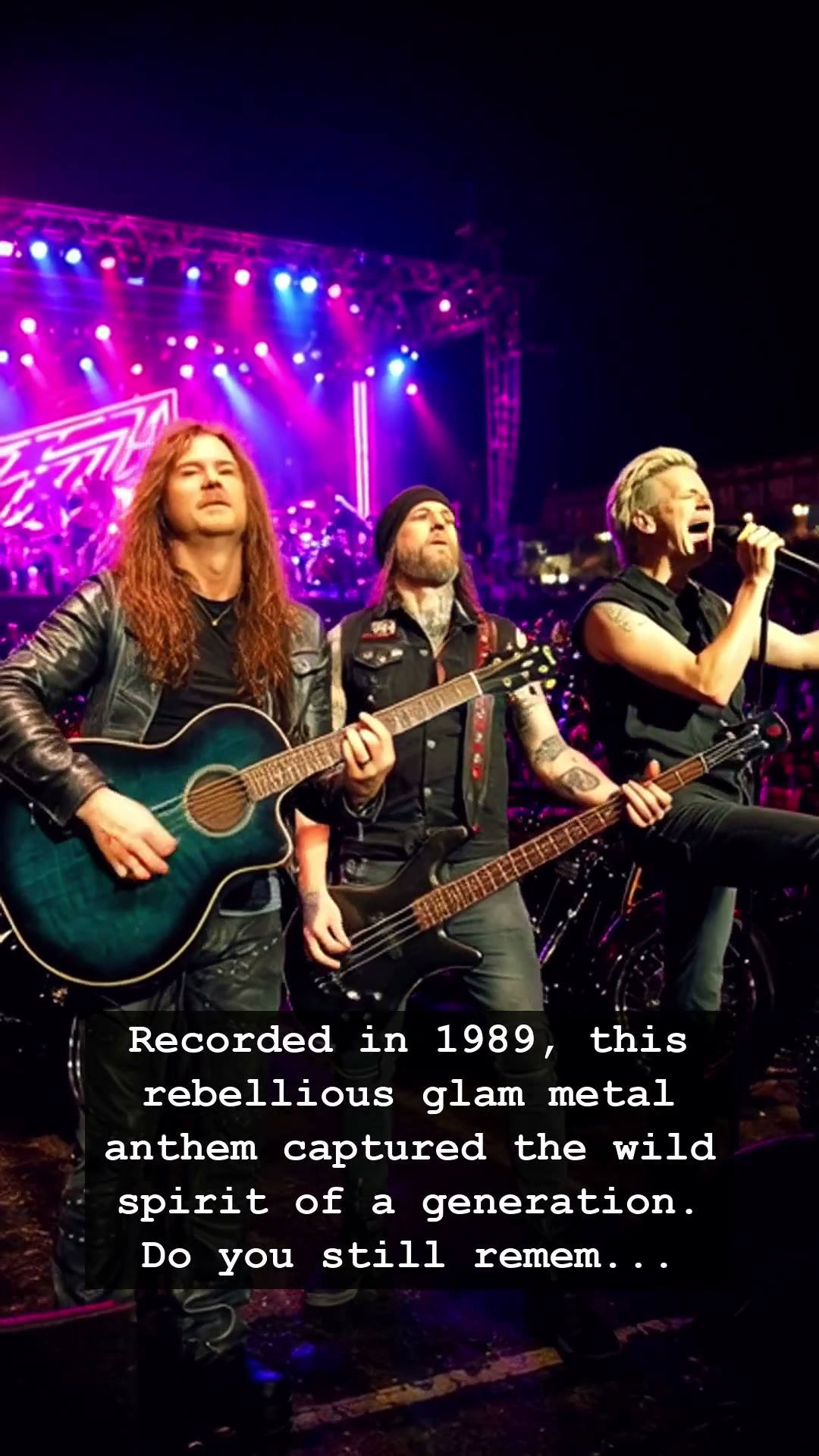
It was 1989, and the airwaves were dominated by the neon-drenched excess of the Sunset Strip. But out of the grittier, sweat-soaked corners of the metal scene emerged a band that didn’t just play the game; they shattered the mold. Skid Row entered the studio not to record another party anthem, but to capture the raw, unadulterated angst of a generation standing on the precipice of a new decade. When Sebastian Bach stepped behind the microphone, his voice wasn’t just hitting notes; it was screaming the frustrations of every kid who felt like an outsider in their own suburban bedroom. That explosive, gut-wrenching chorus did not just climb the charts; it became the battle cry for a youth culture hungry for something tougher, faster, and infinitely more dangerous.
The meteoric rise of Skid Row remains one of the most compelling chapters in the annals of glam metal. At the time, the world was obsessed with big hair and spandex, but Skid Row brought a visceral intensity that felt less like a carefully crafted studio product and more like a riot waiting to happen. While their contemporaries were busy singing about fast cars and midnight lovers, Skid Row was channeling a darker, more street-level rebellion. This wasn’t just music; it was a testament to the band’s volatile chemistry and the relentless pressure of a scene that demanded greatness or oblivion. For those of us who lived through that era, the memory of that sound—the thunderous bass lines and the piercing, aggressive guitars—is forever linked to the sound of freedom.
Looking back, the success of their debut album serves as a time capsule, a reminder of the days when MTV was the ultimate arbiter of cool and a Walkman held your entire world in a plastic casing. The production quality was slick, yet the soul of the band was unmistakably raw. Behind the scenes, however, the pressures of sudden fame were already beginning to fray the edges of the group. The same burning ambition that fueled their chart-topping tracks also sowed the seeds of the internal conflict that would define much of the band’s narrative in the years to follow. It is this duality—the high-octane glory on stage versus the fractured human reality behind the curtain—that makes their story so enduringly human.
Today, listening to Skid Row feels like stepping back into a smoke-filled dive bar where the future seemed infinite and the stakes were always life-and-death. Their influence echoes through the decades, proving that authenticity, no matter how chaotic, leaves a permanent mark on the cultural consciousness. Whether you were headbanging in front of the television or cranking the volume until your parents knocked on the wall, the impact of their music was undeniable. As the echoes of that 1989 anthem continue to resonate, we are reminded that some flames are simply too bright to ever fully fade away.