
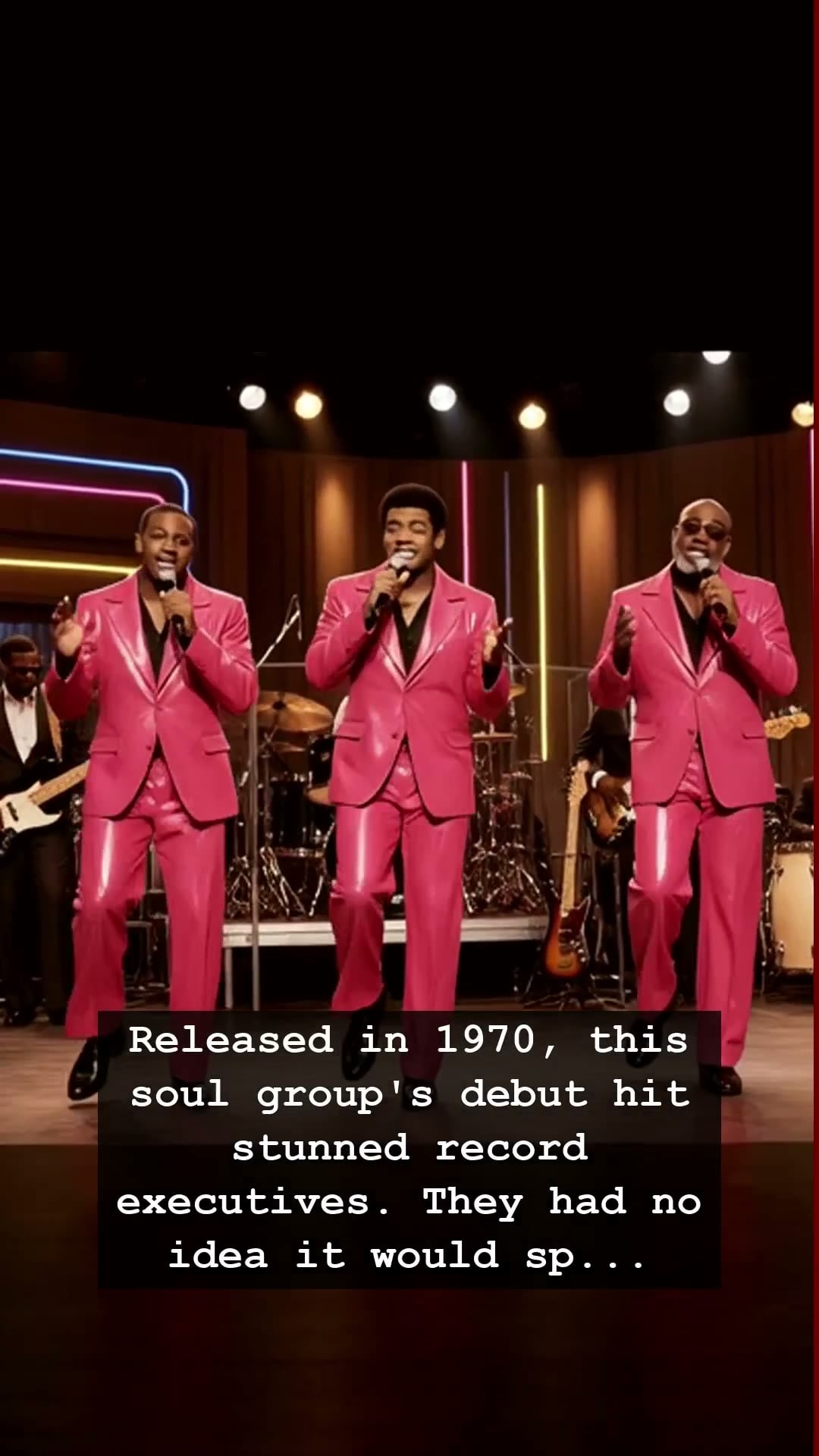
The year was 1970, and the airwaves were crowded with the fading echoes of psychedelic rock and the dawn of a new, polished era. In the plush, smoke-filled boardrooms of Invictus Records, executives were nervously tapping their pens. They had a debut single on their hands that felt too infectious, too raw, and perhaps a bit too risky for the conservative charts of the time. Little did they know that the soulful harmonies of a group called Chairmen of the Board would soon shatter expectations, racing to the top of international charts and proving that the power of authentic soul could transcend the rigid trends of the decade.
At the center of this musical revolution was General Johnson, the soulful architect behind Chairmen of the Board. Before he became the face of a chart-topping sensation, Johnson had already cut his teeth in the industry, but this project felt different. With the backing of the legendary songwriting team Holland-Dozier-Holland, the band was thrust into the spotlight with a debut that sounded like a masterclass in vocal precision. As the needle dropped on the vinyl, the world was introduced to a sound that was at once sophisticated and deeply grounded in the grit of the Detroit music scene.
It is easy to romanticize the era of the Jukebox and the spinning 45, but the reality behind the music was often a high-stakes gamble. Executives viewed Chairmen of the Board as a potential quick fad, a temporary blip on the radar of pop culture. They were dead wrong. The sheer electricity of their performances forced even the most skeptical critics to take notice. While other acts struggled to find their footing in the shifting landscape of the early 70s, this group leaned into their unique blend of funk, soul, and pop, creating a legacy that would echo long after the original pressed copies of their records began to gather dust in thrift store crates.
The secret to their longevity wasn’t just the catchy hooks or the impeccable production values; it was the undeniable charisma of the group members. They carried the weight of the Motown era into a new decade, adding a layer of sophisticated groove that bridged the gap between the soul purists and the growing disco demographic. To witness a performance by Chairmen of the Board during their peak was to see the transition of American music in real-time. They were the bridge between the analog warmth of the past and the high-production spectacle that would eventually define the studio-heavy sounds of the late 70s.
Today, listening to these tracks feels like unearthing a time capsule. The warmth of the brass sections and the tight, percussive vocal interplay remind us of a time when music was crafted with patience and precision. Chairmen of the Board didn’t just record a hit; they captured a moment of pure creative liberation. Every time that iconic melody kicks in, it brings us back to a world of velvet suits, basement record parties, and the sheer magic of a song that defies the odds. Their music remains a testament to the fact that genuine talent always finds a way to endure.