
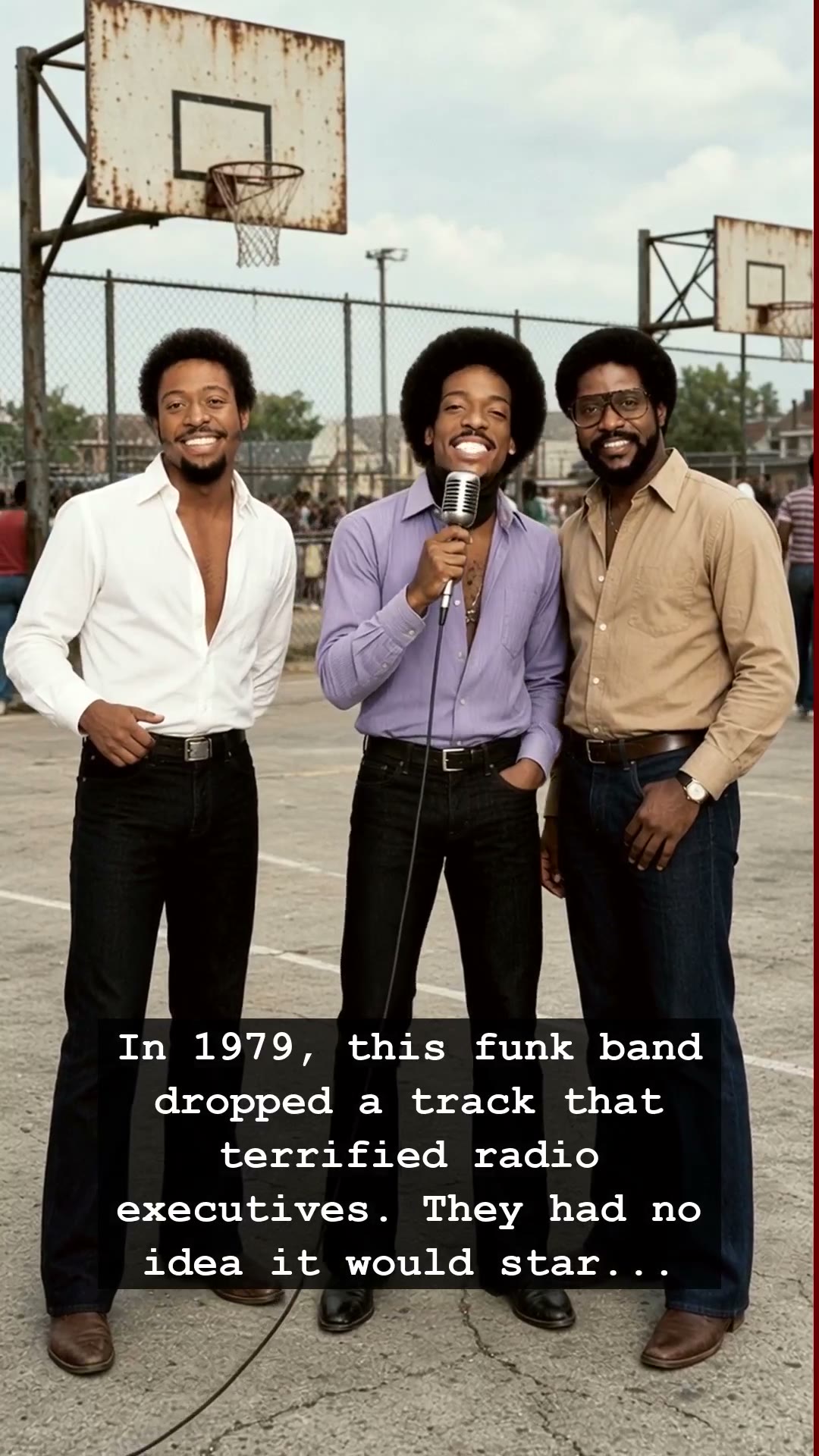
In the sweltering summer of 1979, the airwaves were a battlefield. Conservative radio executives, comfortable in their polished rotations of soft rock and disco, were suddenly blindsided by a relentless, rhythmic earthquake emerging from Tulsa, Oklahoma. It was a track that pulsed with a raw, unapologetic energy so infectious that industry gatekeepers initially deemed it too dangerous, too defiant, and far too funky for the mainstream. That song was I Don’t Believe You Want to Get Up and Dance (Oops, Up Side Your Head), and the masterminds behind this sonic disruption were none other than the legendary Gap Band.
The Gap Band, comprised of brothers Charlie, Ronnie, and Robert Wilson, had spent years grinding in the shadows of the R&B scene, waiting for their moment to break the mold. When they finally unleashed that iconic, repetitive bass synth line—a sound that felt like a futuristic heartbeat trapped in a Jukebox—the radio brass did not know what to make of it. To the executives, it was an abrasive departure from the disco shimmer of the era; to the streets, it was an invitation to a revolution on the dance floor. The track defied the polished perfection of the late seventies, opting instead for a gritty, layered funk texture that felt like it had been pulled directly from a smoky, underground club.
What makes the story of The Gap Band so compelling is how they turned industry fear into a global mandate. As the song spread from city to city, it bypassed the traditional barriers of commercial airplay, driven by pure listener demand. It did not take long for the very executives who shivered at the track’s intensity to realize they were witnessing the birth of an unstoppable phenomenon. By the time the track truly hit its stride, it had transcended the clubs of the South to become a staple of global nightlife, effectively forcing the establishment to acknowledge that the power had shifted from the boardroom to the boots of the dancers.
Looking back from the vantage point of the present, it is easy to forget how much friction defined the musical landscape of 1979. We talk about the era of Studio 54 and the glitter of disco, but The Gap Band provided the essential muscle that the decade often lacked. Their sound was not just a hit; it was a bridge. It bridged the gap between the complex arrangements of seventies funk and the digital, synth-heavy future that would define the eighties. The Wilson brothers weren’t just making noise; they were crafting a manifesto for the dance floor that demanded participation.
Even decades later, hearing that unmistakable opening groove still sparks an immediate physiological reaction. It is a testament to the enduring legacy of The Gap Band that their music remains as relevant today as it was when it first terrorized the local radio playlists. They proved that sometimes, the music that scares the authorities is exactly the music the world needs to hear. Next time you find yourself caught in the rhythm of a classic floor-filler, remember the brothers from Tulsa who risked it all to make us move.