
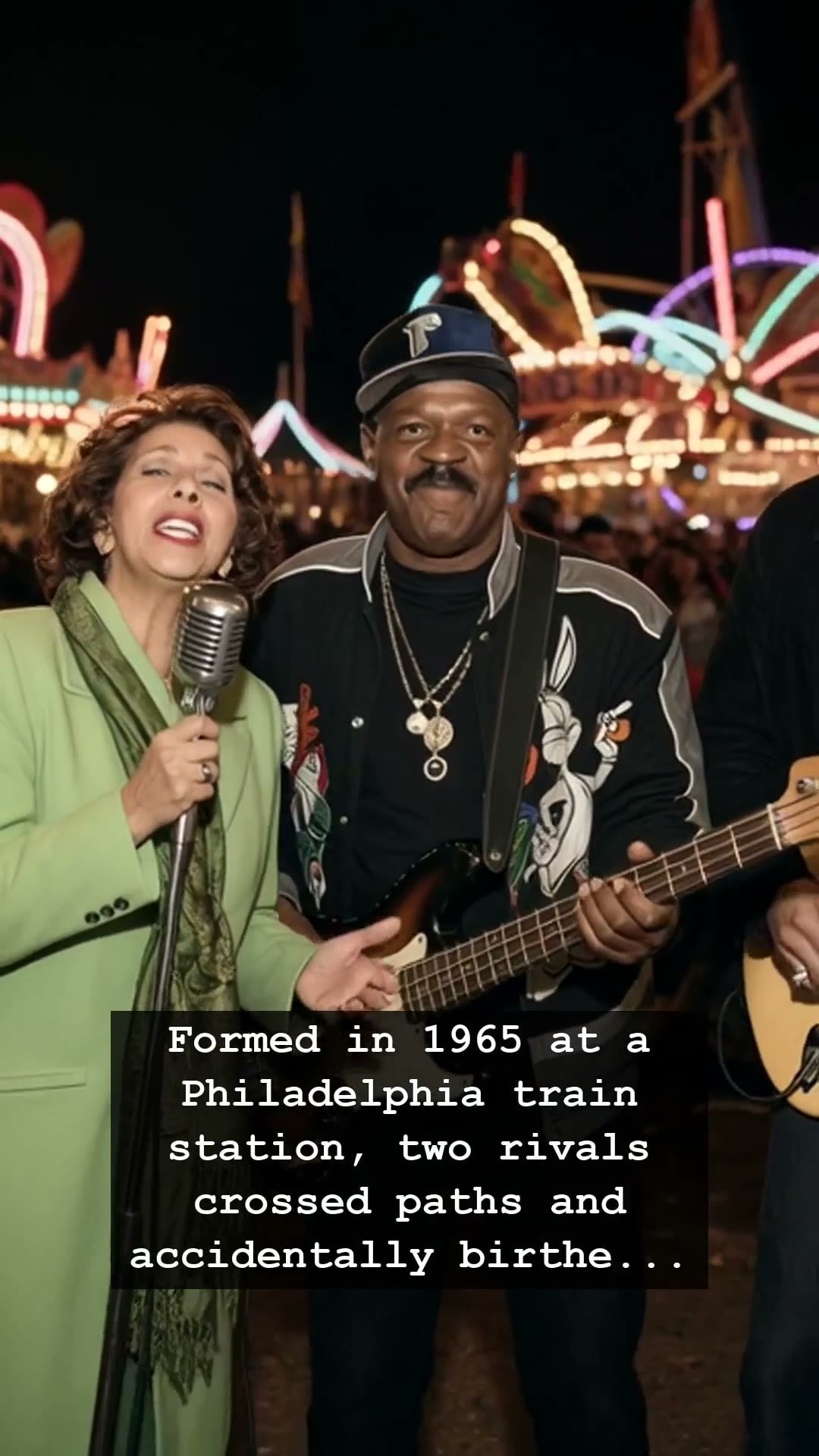
The year was 1965, and the bustling platforms of a Philadelphia train station were filled with the industrial hum of a city on the move. Amidst the chaos of commuters and the rhythmic clatter of tracks, a moment of pure, unexpected tension unfolded. Two rival vocalists, each with ambitions of stardom, crossed paths. They were competitors in a local scene that prized harmony and raw emotion, yet in that crowded, unlikely space, their rivalry didn’t lead to a standoff. Instead, it sparked a collaboration that would define the sound of Philadelphia soul forever. This was the serendipitous beginning of The Delfonics, a group that would eventually craft the smooth, orchestral soul sound that became the soundtrack to a generation.
At the heart of The Delfonics were William Hart and his brother Wilbert, who joined forces with Randy Cain, Ritchie Daniels, and Thom Bell. The Philadelphia soul scene was beginning to shift, moving away from the gritty rhythm and blues toward a lush, cinematic style that utilized intricate string arrangements and soaring vocal performances. The Delfonics mastered this delicate balance, blending street-corner harmonies with a polished, sophisticated production style that felt like a velvet glove around a fist. Hits like La-La-Means I Love You and Ready or Not Here I Come became staples on the radio, echoing from jukeboxes in dimly lit diners and drifting through the windows of cars during the long, humid summers of the late sixties.
Beyond the melodies, the story of The Delfonics is one of deep emotional resonance and the darker shades of fame. The transition from local train station hopefuls to chart-topping icons brought immense pressure. The industry of the era, fueled by relentless touring and the demands of record labels, often pushed artists to the brink. While their music was synonymous with romance and heartbreak, the members of The Delfonics faced their own internal struggles, navigating the shifting landscape of the music industry as the seventies approached and disco began to cast its neon shadow over the soul landscape. Yet, their commitment to that signature sweet sound never faltered, even when the cultural tides started to turn.
Today, the legacy of The Delfonics feels more relevant than ever. Their influence can be heard rippling through decades of music, from the samples that defined nineties hip-hop to the modern R&B tracks that seek to capture that same ethereal, haunting quality. There is a purity in their music that transcends time—a reminder of a simpler, albeit more turbulent, era. When we listen to those iconic strings rise and fall, we are transported back to a moment when a chance meeting at a train station changed everything. The Delfonics were not just a band; they were the architects of a sound that captured the very essence of human longing and love.
As the golden age of vinyl continues to capture the imagination of new listeners, it is worth pausing to appreciate the grit and ambition that birthed these timeless ballads. Whether you grew up spinning their records on a turntable or discovered their smooth harmonies through a film soundtrack, the magic remains intact. The Delfonics remind us that brilliance often emerges from the most unlikely places, turning a fleeting encounter in a crowded terminal into an eternal legacy. So, the next time you hear that familiar opening chord, close your eyes and let the smooth sounds of Philadelphia transport you back to the golden age of soul.