
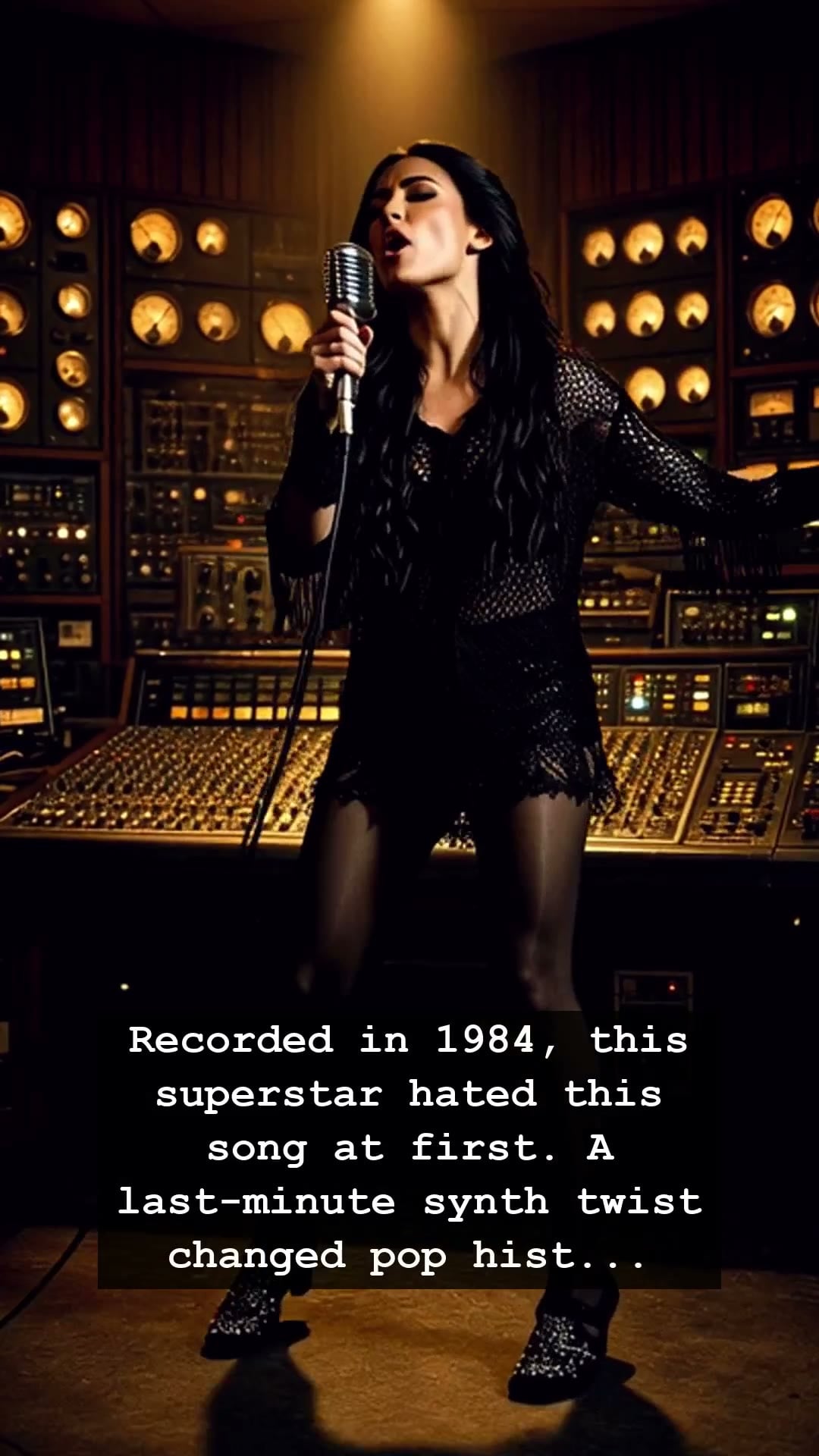
It was 1984, the year of the Walkman and the neon-soaked revolution of MTV, when a legend stood on the precipice of a comeback that would define the decade. Tina Turner, a survivor of an era where soul and grit were forged in the fires of personal struggle, was handed a demo tape. The song was What’s Love Got to Do with It. When she first heard the original reggae-tinged recording, she didn’t just dislike it; she utterly despised it. To the Queen of Rock and Roll, it felt alien, a far cry from the raw, bluesy energy that had defined her stage presence for decades. She famously considered it a flimsy pop track that lacked the fire she was known for.
Yet, in the high-pressure environment of the recording studio, the producer Terry Britten insisted on a radical transformation. He stripped away the reggae rhythm and replaced it with a sleek, minimalist synthesizer overhaul that pulsed with the cold, mechanical heartbeat of the early eighties. This was a gamble, a last-minute creative gamble that risked turning a powerhouse vocalist into a mere pop puppet. But as Tina Turner began to lay down her vocals, something shifted in the booth. The vulnerability in her voice found a perfect, haunting home within the sterile, rhythmic landscape of those synthesizers. It was no longer just a song; it was a confession.
This track became the defining sound of a career rebirth. For those of us who grew up clutching our cassette tapes and watching the flicker of television screens, Tina Turner was the ultimate symbol of triumph over tragedy. The song climbed the charts, capturing the melancholy of a generation moving away from the organic soul of the seventies into the glossy, complex uncertainties of the eighties. It wasn’t just a hit; it was a cultural artifact, marking the moment when the trauma of the past met the polished synthetic future.
Looking back, it is chilling to think how close we came to never hearing that signature bassline. Had she followed her initial instinct to reject the track, the trajectory of music history would have been fundamentally altered. Tina Turner eventually embraced the song as her own, turning it into a stadium anthem that showcased her incredible range. It proved that even an artist as seasoned and legendary as her could find new life in the most unlikely of places. The song resonates today not just for its melody, but for the grit beneath its perfectly polished surface.
Today, when we hear those opening bars, we aren’t just listening to a pop hit from the mid-eighties; we are hearing the sound of a woman reclaiming her throne. It serves as a reminder that behind every massive record, there is a human story of doubt, conflict, and the accidental magic that happens when history meets opportunity. Tina Turner taught us that even when you hate the script, you can still rewrite the ending. Do you remember where you were when that beat first filled the airwaves?