
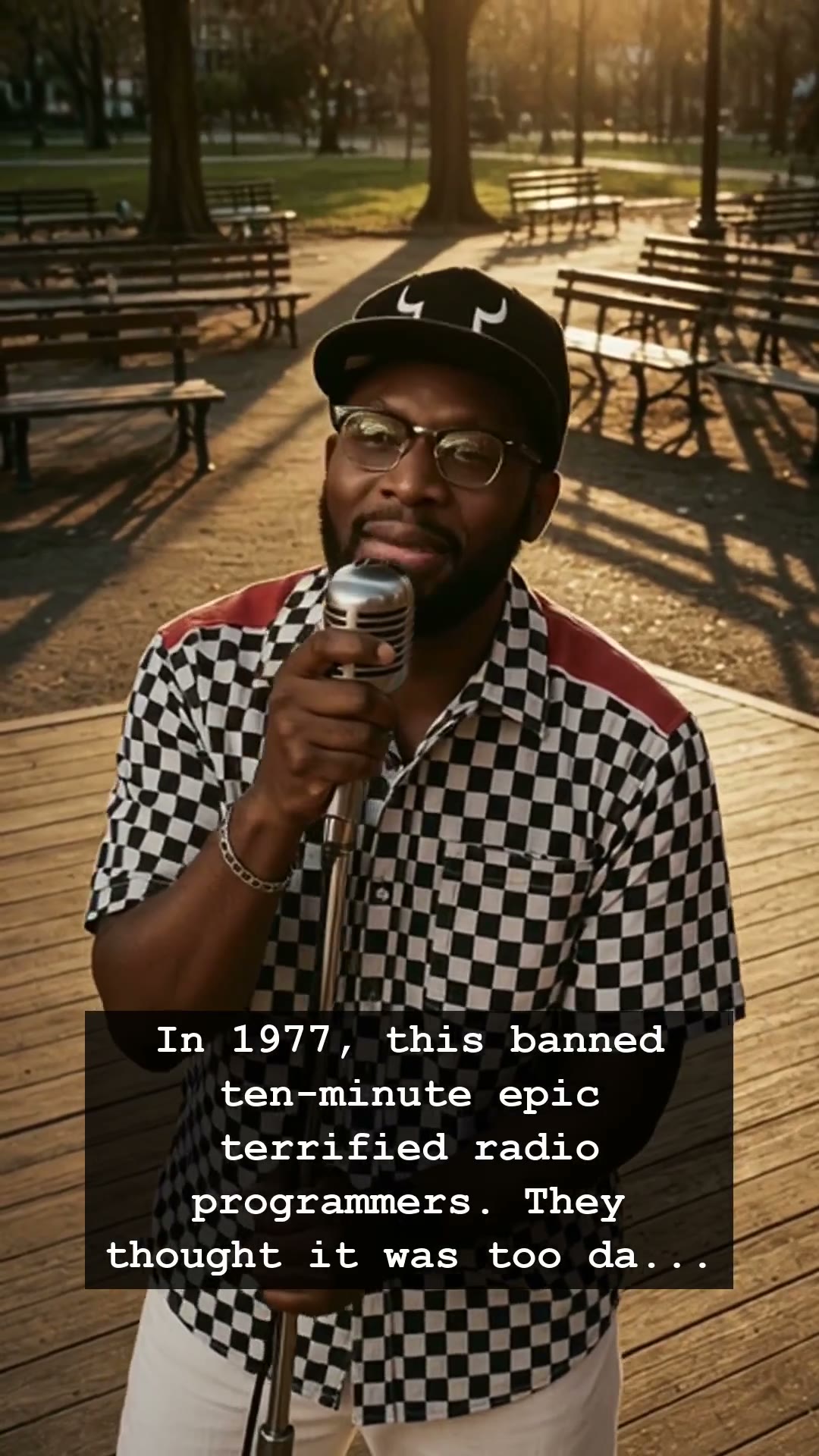
The year was 1977, a time when the Jukebox in every dimly lit dive bar was spinning the polished sheen of disco or the soft rock melodies that dominated the airwaves. Yet, in the shadows of the burgeoning arena rock scene, a band called Starz was cooking up something that would send shivers down the spines of conservative radio programmers. Their ten-minute epic, a dark and sprawling composition, was considered a liability. It was deemed too heavy, too long, and far too cynical for the sanitized playlists of the era. They didn’t just reject the song; they treated it like a dangerous contagion, fearing that its raw intensity would alienate the casual listeners tuning in to escape the anxieties of the decade.
But while the radio executives were busy trying to bury the track, a different kind of audience was listening closely. Behind the scenes, the young, hungry musicians who would go on to define the excess of the glam metal generation were taking meticulous notes. They recognized that Starz had captured a jagged, electric urgency that the pop charts were intentionally ignoring. This was the sound of the suburbs—the gritty, unvarnished reality of late-night drives, broken promises, and the flickering neon lights of a world that refused to conform to mainstream expectations. The track became an underground manifesto, passed around on worn-out cassettes long before the era of digital saturation.
Starz may not have enjoyed the global, household-name recognition of their contemporaries, but their influence is etched into the DNA of the rock that followed. They operated in that peculiar space between the end of the psychedelic era and the rise of the stadium-filling giants, bridging the gap with a sophistication that often went misunderstood. By pushing the boundaries of what a rock song could be, they effectively laid the groundwork for the theatricality and bombast that would eventually define the eighties. It was a bold artistic gamble, one that prioritized creative integrity over the commercial safety net provided by major labels.
Looking back, it is easy to see why the song was so divisive. Its structure defied the standard three-minute radio edit, demanding a level of engagement from the listener that was simply not requested at the time. It carried the weight of a generation that was beginning to feel the cracks in the American dream. Even now, listening to the production choices and the biting lyrical delivery, there is an unmistakable chill—a reminder of a time when rock music felt like a genuine threat to the status quo rather than a predictable commodity.
If you find yourself digging through old record crates or scrolling through archives to rediscover the lost gems of the seventies, make sure to seek out the work of Starz. It is a haunting, exhilarating trip back to a moment in history when a band dared to challenge the gatekeepers of sound. Their legacy lives on in every heavy riff and dramatic shift that captures the listener’s heart, proving that sometimes, the music most feared by the establishment is exactly the music we need to remember. So, turn up the volume, let the needle drop, and let the echoes of 1977 tell you the story that the radio stations were too afraid to air.