
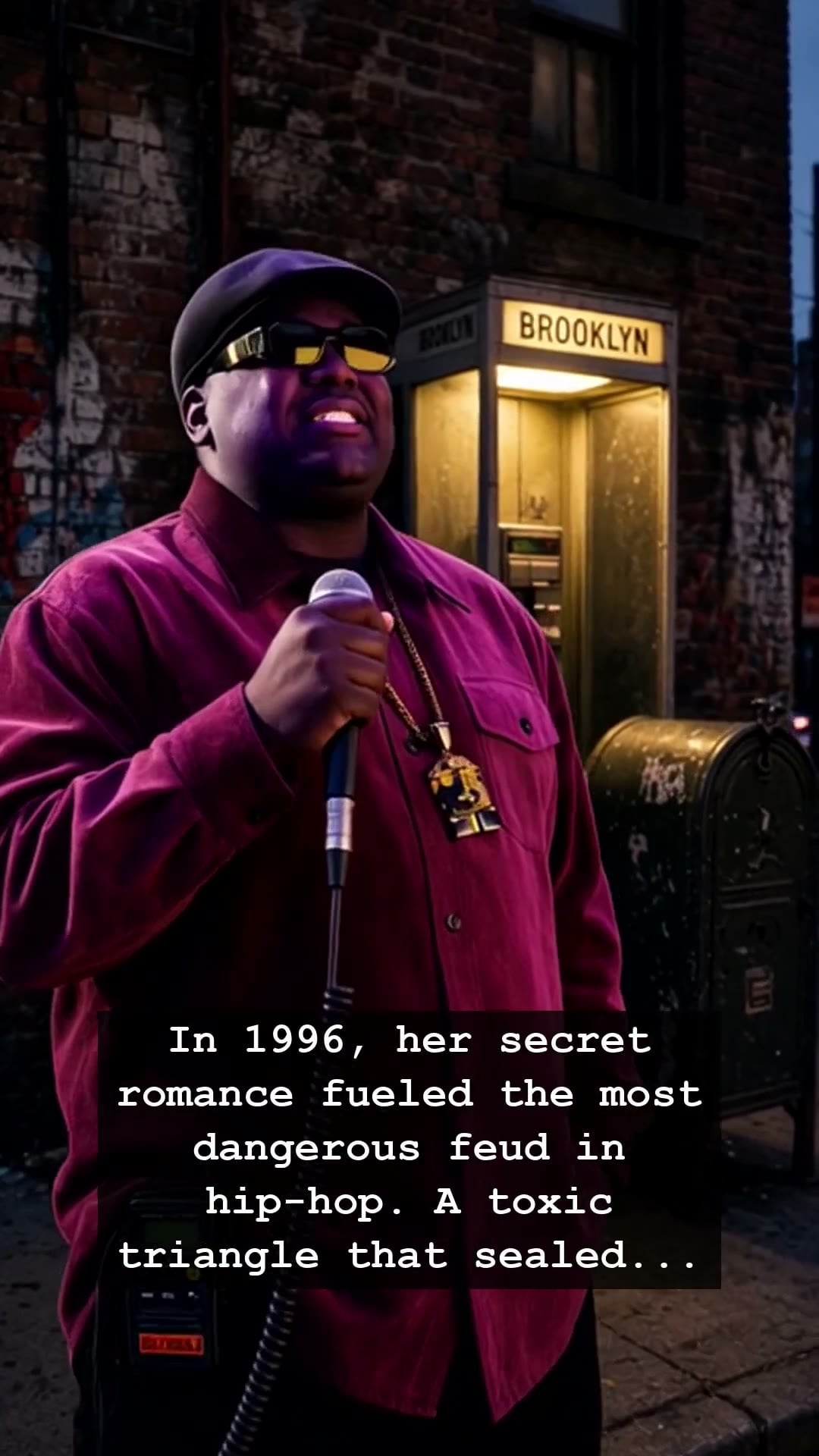
In the haze of the mid-90s, when the golden age of hip-hop was starting to show its jagged, dangerous edges, one marriage stood at the epicenter of a cultural earthquake. It was 1996, and the music industry was being torn apart by the East Coast-West Coast rivalry. Amidst the tension, the union of Faith Evans and The Notorious B.I.G. became more than just a celebrity romance; it became a focal point of heartbreak, betrayal, and a tragedy that still haunts the legacy of Bad Boy Records. They were the king and queen of the burgeoning hip-hop empire, but their love story was written in the shadows of paranoia and bulletproof vests.
Faith Evans, a soulful powerhouse, and Christopher Wallace, known to the world as The Notorious B.I.G., were married just weeks after their first meeting. To the outside observer, it seemed like a whirlwind fairy tale, but the reality was far grimmer. The pressure of constant touring, the relentless spotlight of the media, and the escalating friction between B.I.G. and Tupac Shakur turned their home into a pressure cooker. As the beef between Death Row and Bad Boy escalated, their personal lives were pulled into the fray, with rumors of infidelity and industry sabotage acting like fuel on an already raging fire.
Everything came to a head when the friction reached a breaking point. The narrative shifted from internal marital strife to a broader, more dangerous game of chess involving the most feared figures in the industry. For Faith Evans, navigating the fallout of her marriage to The Notorious B.I.G. meant living through a period where the music industry felt less like a creative space and more like a battlefield. It was a time when the hum of a Walkman could be interrupted by breaking news of another shooting, and the glamour of hip-hop events was shadowed by the constant threat of violence.
Looking back, the story of Faith Evans and The Notorious B.I.G. serves as a stark reminder of the dark side of fame during the mid-90s. The industry was a volatile cocktail of massive egos, unchecked power, and immense artistic brilliance. Their relationship wasn’t just about two people in love; it was a microcosm of an era where art was weaponized and personal lives were treated as collateral damage in a corporate and street-level war. Even now, the raw emotion in their songs captures that specific, agonizing period of transition in American music history.
Today, we look back at their story with a sense of melancholic wonder. It was a time of immense cultural shifts, from the dominance of MTV to the changing landscape of hip-hop stardom. Faith Evans endured the storm with a strength that eventually redefined her own legacy, rising above the wreckage of the tragedy that claimed her husband. As the final notes of a Biggie track fade out, we are left to wonder what might have been if the world had been a little kinder to two of its brightest stars, leaving us to navigate the echoes of their history forever.