
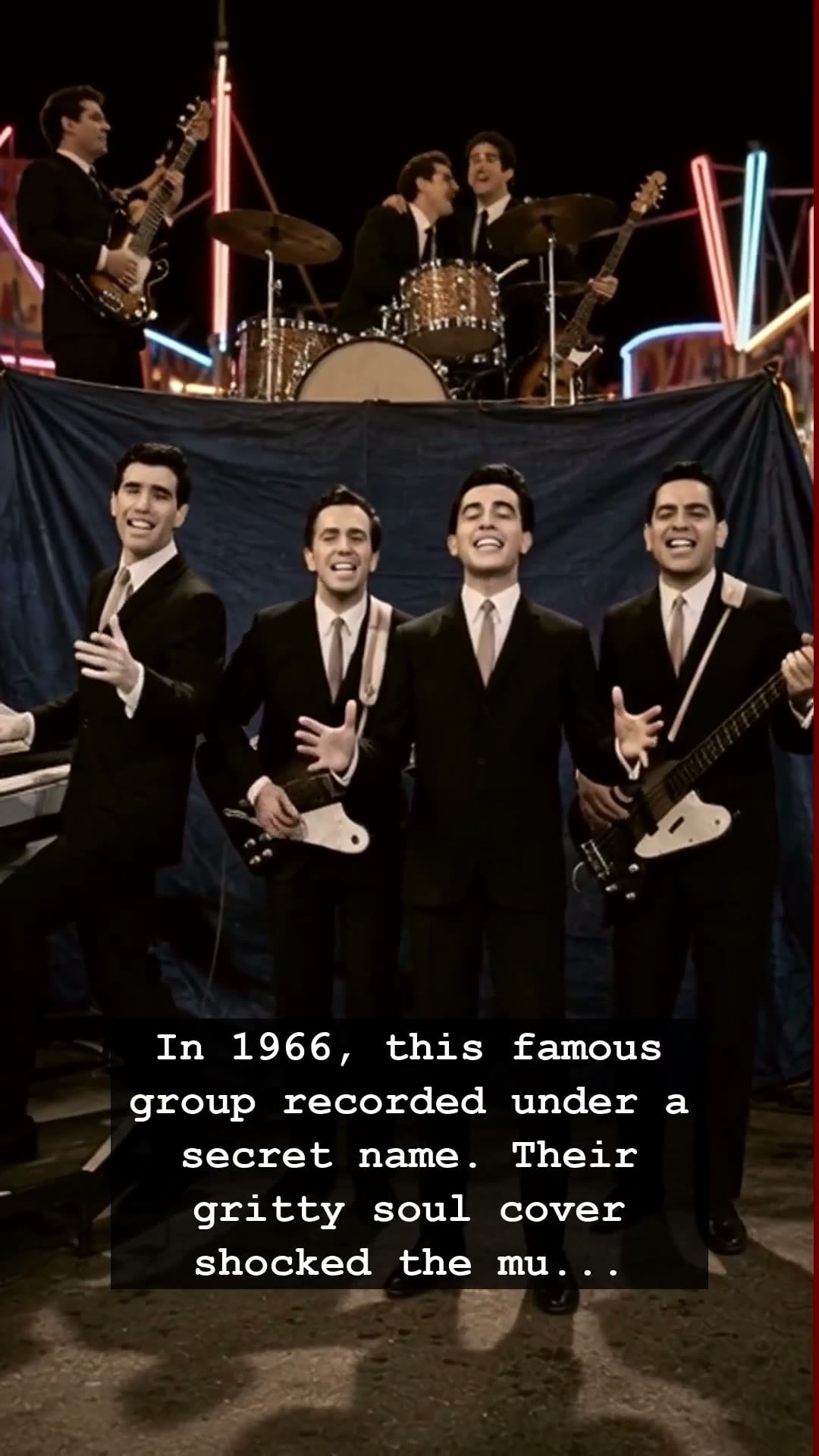
The year was 1966, a time when the transistor radio was the heartbeat of American youth and the jukebox served as the altar for teenage dreams. The Four Seasons were already global superstars, known for their polished harmonies and the falsetto that defined the early sixties. But deep inside the smoky, dimly lit corners of a New York recording studio, lead singer Frankie Valli and his bandmates were feeling restless. They wanted to strip away the pristine layers of pop perfection and reach for something raw, something dangerous, and something deeply rooted in the gritty soul of the streets. They decided to vanish, operating under the clandestine pseudonym The Wonder Who? to escape the rigid expectations of their record label.
When they dropped a soul-drenched cover of the jazz standard On the Good Ship Lollipop, the music industry was sent into an absolute tailspin. Executives were terrified. To the mainstream gatekeepers of the mid-sixties, this was a bizarre radio prank—an act of artistic rebellion that threatened to alienate their carefully curated, clean-cut audience. The brass at the label didn’t understand the shift; they saw it as a breakdown of the band’s identity. Yet, the public had a different reaction. The track didn’t just survive the confusion; it shattered the Billboard charts, proving that even the most famous voices in the country could reinvent themselves if they dared to shed their public skin.
The genius of The Four Seasons during this period was their refusal to be caged by their own fame. While their peers were content riding the waves of the British Invasion or the surf-rock craze, the members of The Four Seasons were experimenting with irony, garage-rock grit, and a cynical edge that mirrored the shifting cultural landscape of the era. This wasn’t just a gimmick; it was a desperate, electric attempt to remain relevant in a world that was moving toward the experimental sounds of the psychedelic age. It remains one of the most intriguing chapters in American music history, a moment where the lines between commercial pop and underground art were intentionally blurred.
Looking back, the story of this secret recording feels like a scene from a vintage documentary. You can almost hear the hum of the analog tapes and see the tension in the room as the engineers watched the needle bounce in the red. This moment captured the essence of the sixties—a decade defined by constant reinvention, underlying tension, and the constant battle between artist integrity and label control. The Four Seasons taught us that true legends are never afraid to burn down their own house to build something new from the ashes.
Today, the legacy of that clandestine hit serves as a reminder of an era when radio was unpredictable and fame didn’t come with a social media safety net. Whether you were listening through a crackling Walkman or spinning the original 45s on a heavy turntable, the story of The Four Seasons reminds us that the best music is often found in the shadows of the unexpected. Next time you drop the needle on one of their classics, listen closer—you might just hear the ghosts of the rebels they were hiding in plain sight.