
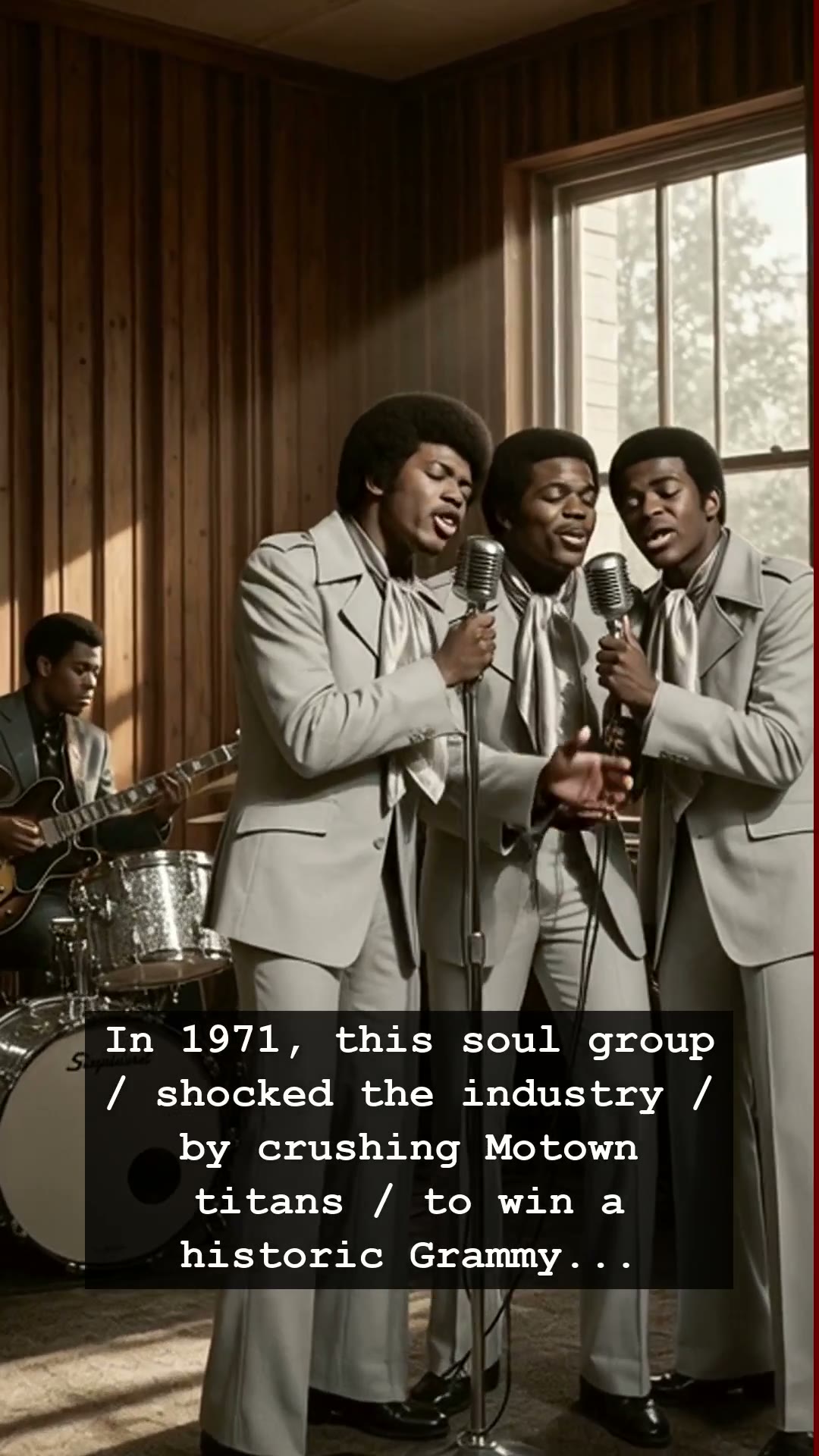
In 1971, the music industry was a kingdom ruled by the polished, iron-fisted might of Motown. Everyone expected the trophies to go to the usual suspects, the titans of Detroit who churned out hits like factory-made gold. Then, a group from Philadelphia stepped onto the stage, and the landscape of soul music shifted forever. The Delfonics, with their silky harmonies and cinematic arrangements, didn’t just win a Grammy; they shattered the status quo, proving that the heart of soul didn’t always beat in Motor City. It is a moment of pure, underdog magic that still echoes in the ears of anyone who remembers the velvet sound of that era.
To understand why The Delfonics were such a seismic shock, you have to transport yourself back to a time of transistor radios and dimly lit dance floors. While Motown focused on punchy, high-energy pop-soul, The Delfonics brought a distinct, orchestral sophistication to the table. Led by the falsetto brilliance of William Hart, they mastered the art of the heartbreak ballad. Their music felt like a late-night drive down a rain-slicked highway, captured perfectly by the Philly Soul sound that Thom Bell was meticulously crafting. They were outsiders, polished and profound, rising from the grit of the city to claim a throne nobody thought was up for grabs.
That historic Grammy victory wasn’t just about a trophy; it was a testament to the raw, emotional vulnerability of their songwriting. Songs like Didn’t I (Blow Your Mind This Time) became the anthems of a generation caught between the idealism of the late sixties and the encroaching cynicism of the new decade. When you hear the opening strings of a Delfonics track, it triggers a visceral sense of nostalgia—the smell of old vinyl, the scratch of a needle on a record player, and the feeling that love was something both grand and devastatingly fragile.
Beyond the glitz of the awards ceremony lay the human reality of the group. The Delfonics navigated the treacherous waters of fame during a volatile period for African American artists. They faced the same industry pressures that claimed many of their peers, from the exhaustion of endless touring circuits to the manipulative hands of record executives who saw them as commodities rather than poets. Yet, despite the behind-the-scenes drama and the internal friction that often plagues legendary acts, their music remained untarnished, maintaining a purity that defined their legacy.
The magic of The Delfonics persists today because their music feels like a secret being whispered directly into your soul. They didn’t need pyrotechnics or the massive marketing budgets of the major labels; they had the power of pure, undeniable melody. Decades later, as we look back through the lens of history, we see them not just as a chart-topping group, but as the architects of a sound that paved the way for the smooth, symphonic soul of the seventies. When you listen to them now, you are not just hearing a song; you are hearing a timeless rebellion that caught the world off guard and never let go.