
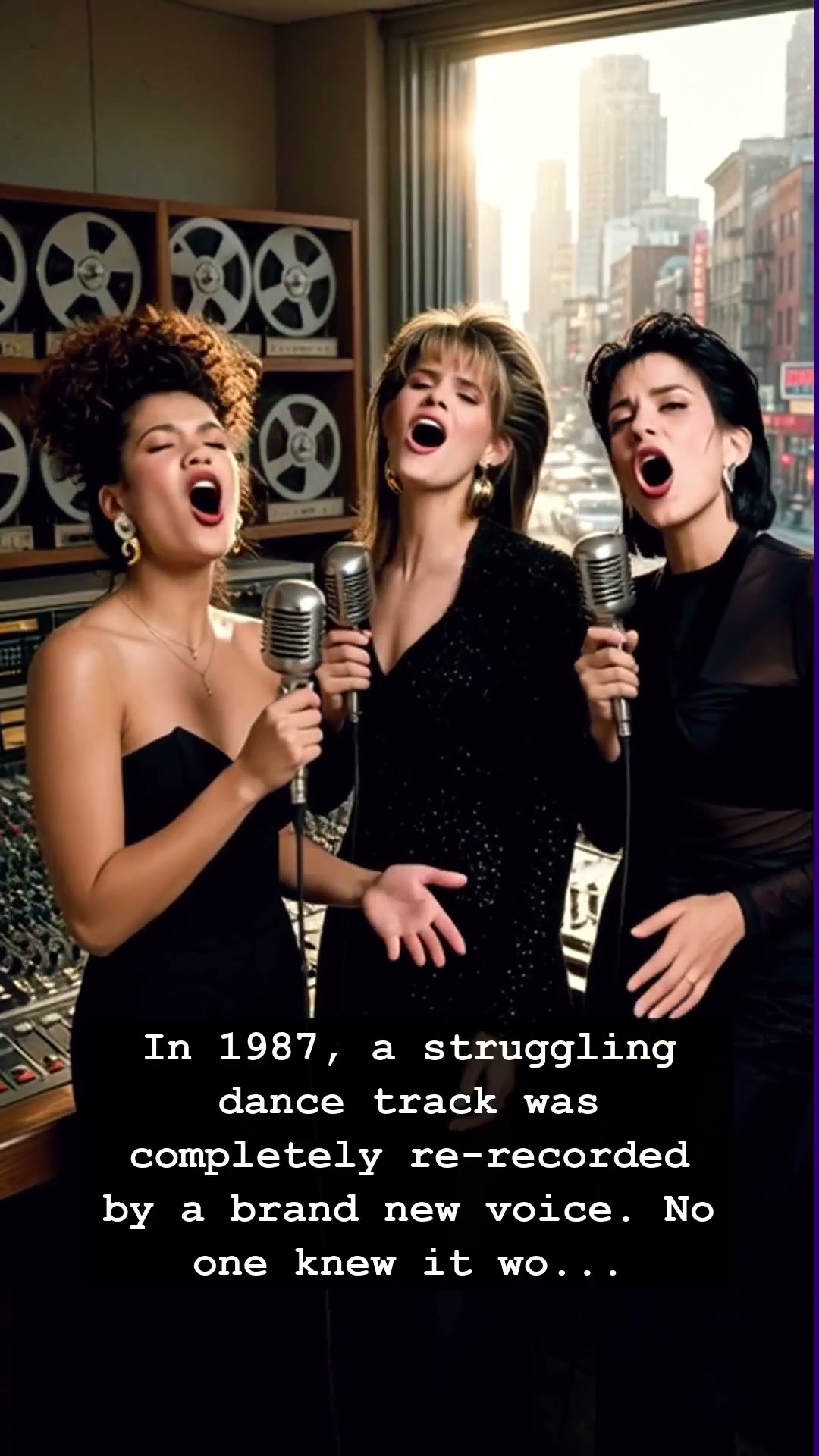
In 1987, the neon-soaked dance floors of Miami were pulsating with a secret that would soon shatter the illusion of pop stardom. A struggling underground track, initially intended to fade into the obscurity of local club playlists, underwent a clandestine transformation that terrified industry executives and changed the face of dance music forever. That song was Point of No Return, and the mystery surrounding its true voice became one of the most compelling dramas of the eighties. No one knew back then that this risk-taking gamble would explode into a top-five Billboard smash, forever embedding Expose into the fabric of American pop history.
At the height of the synth-pop era, when the music industry was obsessed with the perfect image, Expose emerged as a faceless project. The original version of the song had been recorded, but label insiders felt it lacked the visceral, radio-ready edge required to dominate the airwaves. In a move that was as daring as it was deceptive, the production team decided to bring in a brand new voice to re-record the vocals. This wasn’t just a simple swap; it was a high-stakes gamble that occurred behind closed doors, away from the prying eyes of the public who were busy capturing their own lives on cassette tapes and walking the streets with bulky Walkmans.
When the new version of Point of No Return finally hit the airwaves, the response was instantaneous. The track possessed an infectious, high-energy rhythm that defined the late eighties dance scene. It captured the exact aesthetic of the era, blending the sophisticated production of modern studios with the raw, emotional hunger of youth culture. For many listeners at the time, Expose felt like a revelation. The irony, of course, was that while fans were busy memorizing every syllable of the chorus, the women onstage were often performing to a ghost of a voice that had been carefully curated in the shadows of the studio.
The success of Expose during this volatile period is a testament to the power of the hook. This was a time when the Jukebox was being replaced by sophisticated synthesizers, and the line between artificial production and authentic artistry was thinner than ever. The industry executives were terrified of a scandal, yet they couldn’t deny the commercial brilliance of what they had created. The secret re-recording proved that in the world of pop music, the story behind the song is often just as provocative as the melody itself.
Looking back, the legacy of Expose serves as a haunting reminder of the pressures of fame in the pre-internet age. The group’s journey from a Miami underground experiment to a mainstream phenomenon captures the grit and the glamour of the 1980s. Even today, hearing the opening synth chords of their breakthrough hit transports us back to a time of hairspray, neon lights, and the relentless pursuit of the perfect beat. Do you still remember the rush of hearing those vocals for the first time on your radio?