
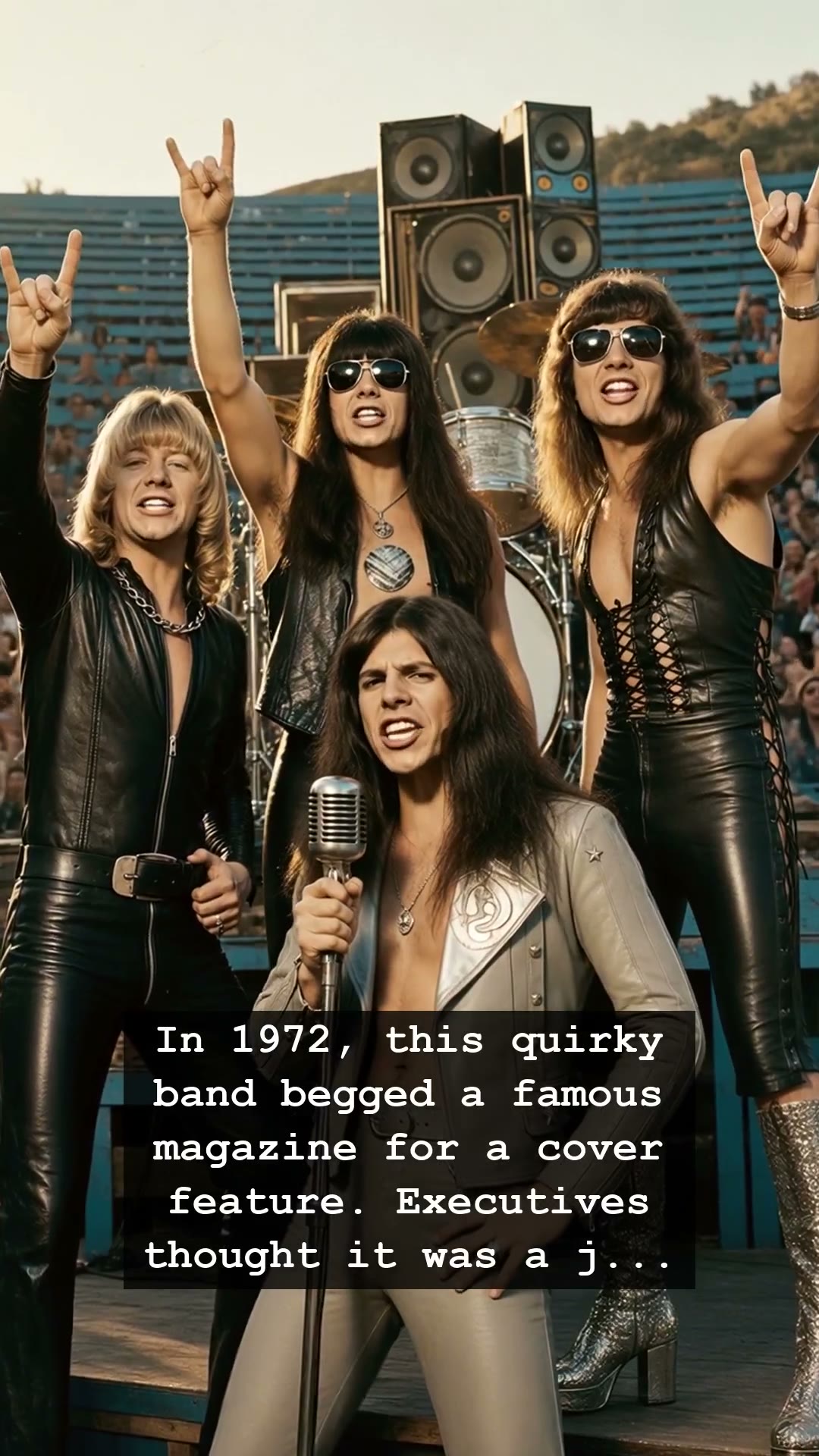
In the golden age of 1970s rock, when FM radio was the king of the airwaves and the Rolling Stone magazine was the ultimate arbiter of cool, one band decided to take a gamble that seemed like sheer madness. Dr. Hook and the Medicine Show, a group known more for their ragtag aesthetic and quirky charm than for being industry darlings, penned a song that served as a direct, tongue-in-cheek solicitation. It was a plea, a sarcastic middle finger to the establishment, and a desperate desire for validation all wrapped into one: The Cover of the Rolling Stone. At the time, the executives at the magazine laughed the request off as a crude, bizarre joke that would never see the light of day on their prestigious front page.
Yet, the music industry has a funny way of making fools out of gatekeepers. As the track climbed the charts, it morphed from a cynical jab into a massive, undeniable anthem that resonated with every starving artist and basement musician dreaming of the big time. By 1972, the song had skyrocketed to the top of the charts, forcing the powers that be to acknowledge the cultural phenomenon they had initially mocked. The irony was as thick as the cigarette smoke in a neon-lit nightclub; Dr. Hook and the Medicine Show had essentially forced their way into history through nothing more than sheer nerve and an infectious hook.
When the band finally graced that coveted cover in March 1973, it wasn’t just a win for their publicist; it was a watershed moment for the counterculture. Dr. Hook and the Medicine Show brought a gritty, authentic human touch to a music scene that was rapidly becoming dominated by corporate polish and arena-sized egos. Their journey from a struggling band to pop-culture icons perfectly captures the raw, unpredictable spirit of the early seventies, a time when a well-placed lyric could still dismantle the barriers of the media elite. It was the era of the Jukebox and the spinning vinyl, where a single hit could change a trajectory forever.
Looking back, the success of Dr. Hook and the Medicine Show reminds us of the power of defying expectations. While their appearance was eccentric and their stage persona bordered on the chaotic, their musical instincts were razor-sharp. They occupied a unique space in the post-Woodstock landscape, blending country-rock sensibilities with a biting, self-aware wit that felt miles away from the manufactured pop acts of the day. They proved that if you scream loud enough—and wrap it in a melody people can’t stop humming—the world has no choice but to listen.
Today, the legacy of that iconic track serves as a time capsule, capturing the restless ambition of a decade defined by artistic rebellion. The song remains a beloved staple for anyone who lived through the transformative years of the seventies, serving as a reminder of the time when music was the ultimate equalizer. Whether you are revisiting their discography on a classic Walkman or spinning a vintage record at home, Dr. Hook and the Medicine Show remains an essential chapter in the story of American rock. Sometimes, all it takes to make a dream come true is a little bit of audacity and the right song at the right time.