
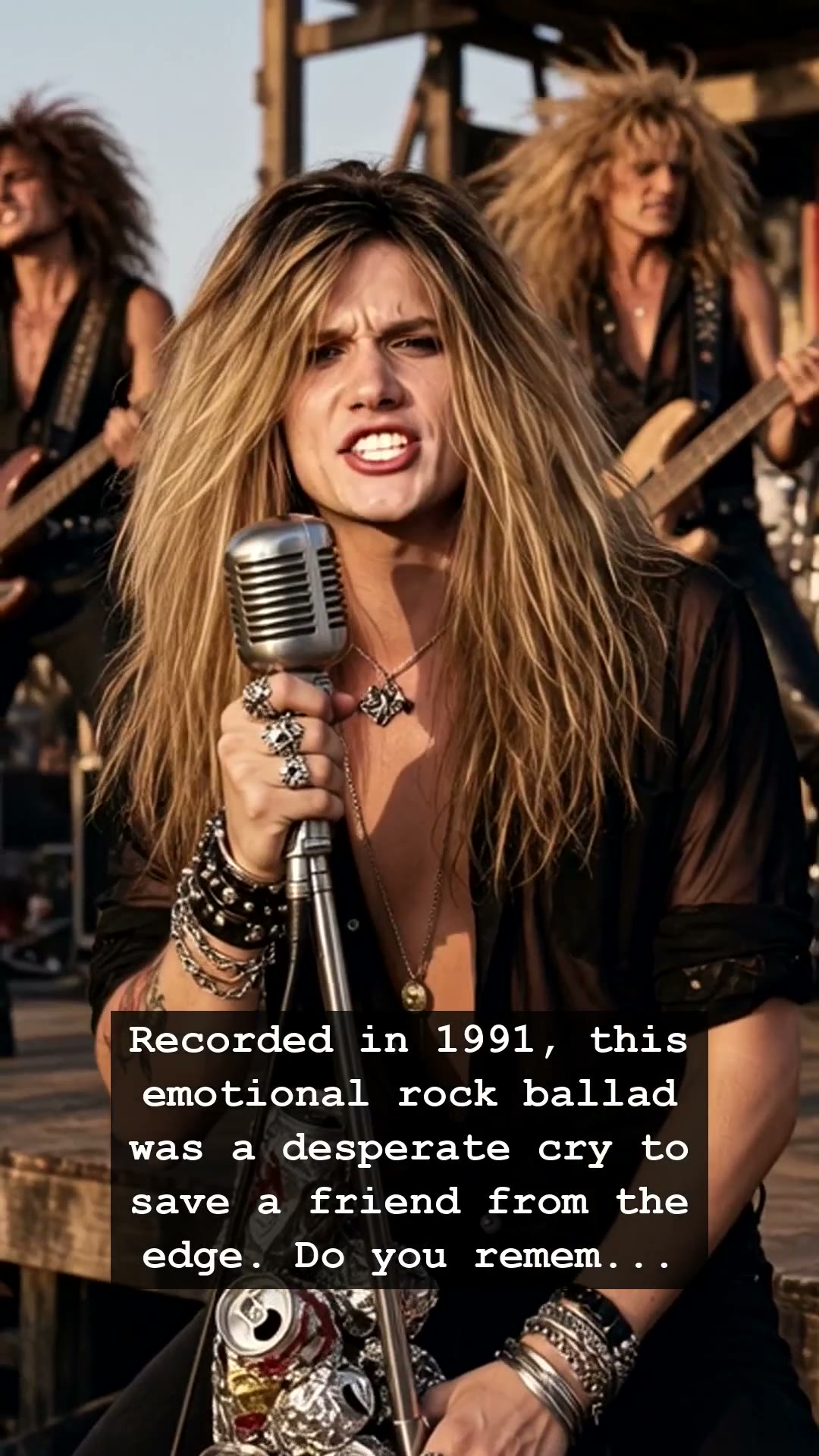
The year was 1991, and the world of heavy metal was shifting. Beneath the hairspray and leather of the late eighties, the gritty reality of addiction was beginning to claw its way into the spotlight of the Sunset Strip. Amidst the chaos of a genre teetering on the edge of extinction, the band Skid Row released a song that transcended the standard power ballad formula. This was not a polished love song about heartbreak; it was a desperate, agonizing plea written to save a friend from the suffocating grip of chemical dependency. Do you remember the visceral ache of Wasted Time?
When listeners first heard the opening notes of that track, they were not just hearing a song; they were eavesdropping on a conversation between brothers-in-arms. Skid Row, led by the soaring vocals of Sebastian Bach, had captured a moment of pure, unadulterated vulnerability. The band had witnessed their inner circle being decimated by the very lifestyle that MTV and the media were glamorizing at the time. While the public saw the leather pants and the rebellious attitude, the members of Skid Row saw the empty chairs where their friends used to sit. The song was a mirror held up to the face of a dying generation, serving as a haunting cry that still echoes through the annals of hard rock history.
To understand the gravity of Wasted Time, one must look at the cultural backdrop of the early nineties. This was an era when the excesses of the eighties were coming home to roost. The tragedy that fueled Skid Row was not an isolated incident but a symptom of a systemic collapse within the industry. Sebastian Bach and the rest of the band were not singing about hypothetical scenarios; they were mourning the loss of potential, the erosion of innocence, and the cruel reality of watching someone you love choose a needle over their own future. The emotional weight of the song’s bridge, in particular, captures that final, desperate attempt to pull someone back from the ledge before the darkness becomes permanent.
What makes this track stand out in the vast library of nineties rock is its terrifying sincerity. Skid Row managed to strip away the bravado that defined their persona, offering a raw document of human fragility. It was a bold move that defied the trends of the burgeoning grunge movement, choosing instead to focus on the deeply personal trauma that follows substance abuse. Every time the chorus hit, it felt like an intervention, a plea for the listener to value their life above the fleeting high of the rock and roll dream. It remains a poignant reminder of the heavy price paid for the fame that many crave.
Even decades later, Wasted Time serves as a sonic monument to those who were lost too soon. For those of us who grew up with the roar of Arena Rock filling our speakers, this song acts as a bridge to a more complicated past. Skid Row captured a sentiment that feels just as urgent today as it did when the album was released. It is a timeless, painful, and beautiful piece of history. When you listen to it now, through the filter of time, you don’t just hear a metal band; you hear the sound of survival, echoing from a broken era, reminding us that every second we have is worth saving.