
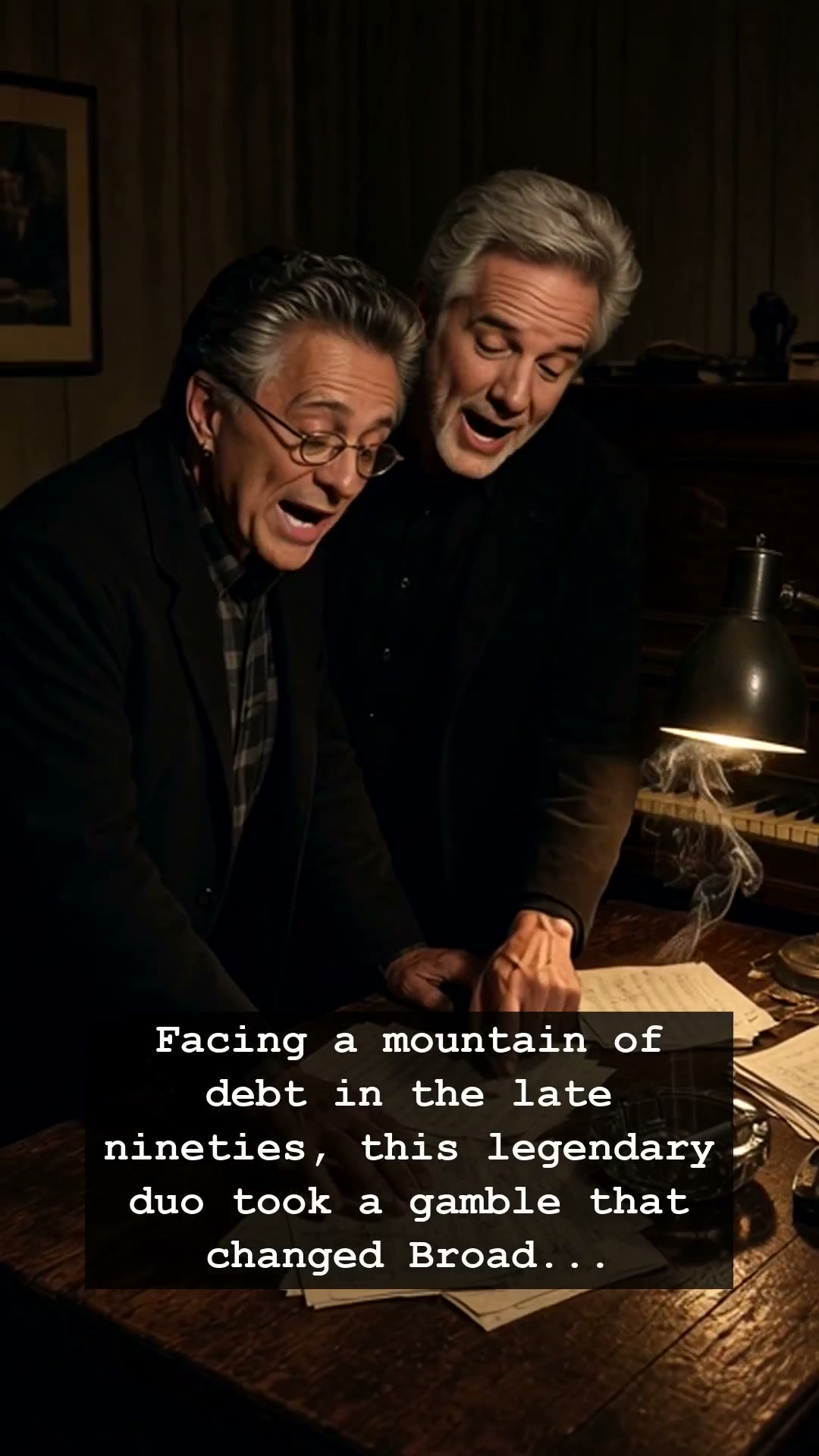
The neon glow of the disco era had long faded, and the high-octane energy of the eighties was fading into memory when Frankie Valli and Bob Gaudio found themselves staring into a personal abyss. It was the late nineties, an age where the Walkman was slowly yielding to the CD player and the music industry felt like a colder, less familiar landscape. For the men behind The Four Seasons, a group that defined the sixties with their falsetto-soaked hits, the golden years seemed like a distant dream buried under a mountain of crushing debt. They were music royalty, yet the royalty checks had thinned, and the weight of their financial burdens threatened to dismantle the legacy they had built together since their Jersey days.
Most artists in their position would have retreated into the quiet shadows of retirement, content to let their records gather dust in the attics of nostalgia. But Frankie Valli and Bob Gaudio were not ordinary musicians. They possessed the same grit that propelled their early hits to the top of the charts when Jukeboxes were the heartbeat of every American diner. Faced with the choice between bankruptcy and one final, audacious gamble, they chose the latter. They didn’t just want to dust off their old tracks; they wanted to strip away the veneer of fame and expose the jagged, turbulent history that defined their partnership and their sound.
They bet everything on the Broadway stage, a medium that was lightyears away from the radio waves that once carried Sherry and Big Girls Don’t Cry. It was a risky, almost desperate maneuver. They decided to pour their blood, sweat, and tears into a biographical musical that would eventually become Jersey Boys. This wasn’t just a jukebox show; it was a visceral, raw retelling of the mafia connections, the internal band conflicts, and the relentless pressure of constant touring. They brought their reality to the lights of New York, transforming their personal tragedies into a theatrical masterpiece that felt as authentic as a live concert at the height of their career.
The genius of Frankie Valli and Bob Gaudio lay in their refusal to sugarcoat the narrative. By allowing the audience to see the seams of their success, they created something immortal. The production soared beyond expectations, becoming a cultural phenomenon that breathed new life into the American theater scene, much like the way MTV once revolutionized music consumption. It was a testament to the power of resilience, proving that even when the chips are down, true talent can transform a debt-ridden past into a future that resonates with generations who never even experienced the original vinyl pressings of the sixties.
Today, the story of Frankie Valli and Bob Gaudio stands as a powerful reminder that history is never truly finished. Whether you were there when the songs first aired or you discovered them through the magic of the theater, their journey from the edge of ruin to global success remains one of the most compelling narratives in music history. It was a gamble that paid off, proving that the music doesn’t just endure; it evolves, echoing through time for anyone willing to listen to the story behind the sound. Next time you hear those iconic falsetto notes, remember the struggle that ensured they would never fade away.