
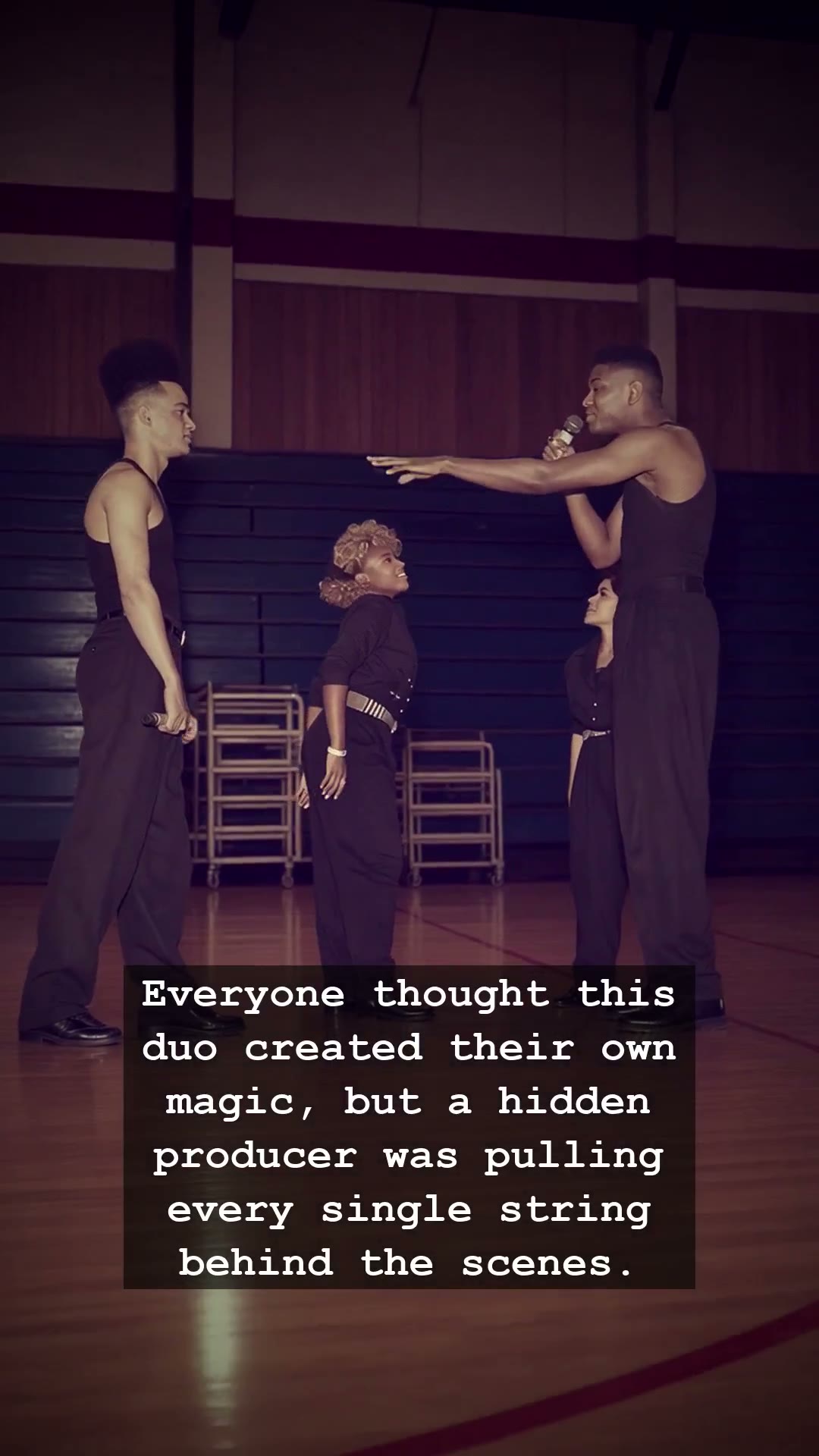
It was the golden era of hip-hop, a time when the rhythmic pulse of the city vibrated through every boombox on the block and the crackle of a vinyl record felt like a sacred heartbeat. We all remember the neon-soaked energy of the late eighties, a period defined by the infectious charisma of Salt-N-Pepa and the high-flying, foot-stomping antics of Kid ‘n Play. They were the faces that graced every MTV broadcast and commanded the stage at every block party, seemingly concocting their own sonic alchemy out of thin air. But while the world was busy memorizing the lyrics to Push It or perfecting the Kid ‘n Play kick-step, a quiet, brilliant architect was standing in the shadows of the studio, pulling the strings of an empire that would define a generation.
Behind the polished charisma of Salt-N-Pepa and the undeniable charm of Kid ‘n Play sat Hurby Azor, a producer whose influence on the Golden Age of Hip-Hop is often overshadowed by the larger-than-life personalities he managed. In an era where the industry was still learning how to package the raw, unfiltered energy of the streets into a radio-friendly format, Azor was the secret engineer of the sound. He wasn’t just a producer; he was the visionary who saw the potential for hip-hop to cross over into mainstream pop culture. He recognized that while talent was the fuel, the right production was the engine that would carry these artists to the top of the Billboard charts.
Yet, the reality of the music business in the late eighties was rarely as smooth as a perfect transition on a DJ deck. The dynamic between the artists and their mastermind was fraught with the kind of intense creative friction that birthed brilliance but inevitably led to exhaustion. For the fans listening on their Walkmans, the music was pure joy, but behind the studio doors, it was a pressure cooker of ambition, long nights, and evolving artistic visions. Azor pushed these stars to hone their delivery and perfect their image, carefully balancing the line between underground credibility and massive commercial success.
This era, where the Jukebox was king and the fashion was as bold as the lyrics, feels like a distant dream today, yet the resonance of those beats remains unshakable. The success of Salt-N-Pepa and Kid ‘n Play wasn’t an accident of history; it was a carefully curated phenomenon. We look back now, nostalgic for the simplicity of a beat that just made you want to move, and we realize that the magic we saw on stage was supported by a complex, often grueling machinery that audiences never truly saw.
Understanding the role of a hidden hand like Hurby Azor doesn’t take away from the performance of the stars; instead, it adds a layer of depth to the records we still spin today. It reminds us that every classic track is a mosaic of different voices and visions coming together. As we look back at the glory days of the late eighties, let us appreciate not just the icons in the spotlight, but the architects who built the stages they stood upon. Which track brings you back to those golden days of hip-hop the most?