
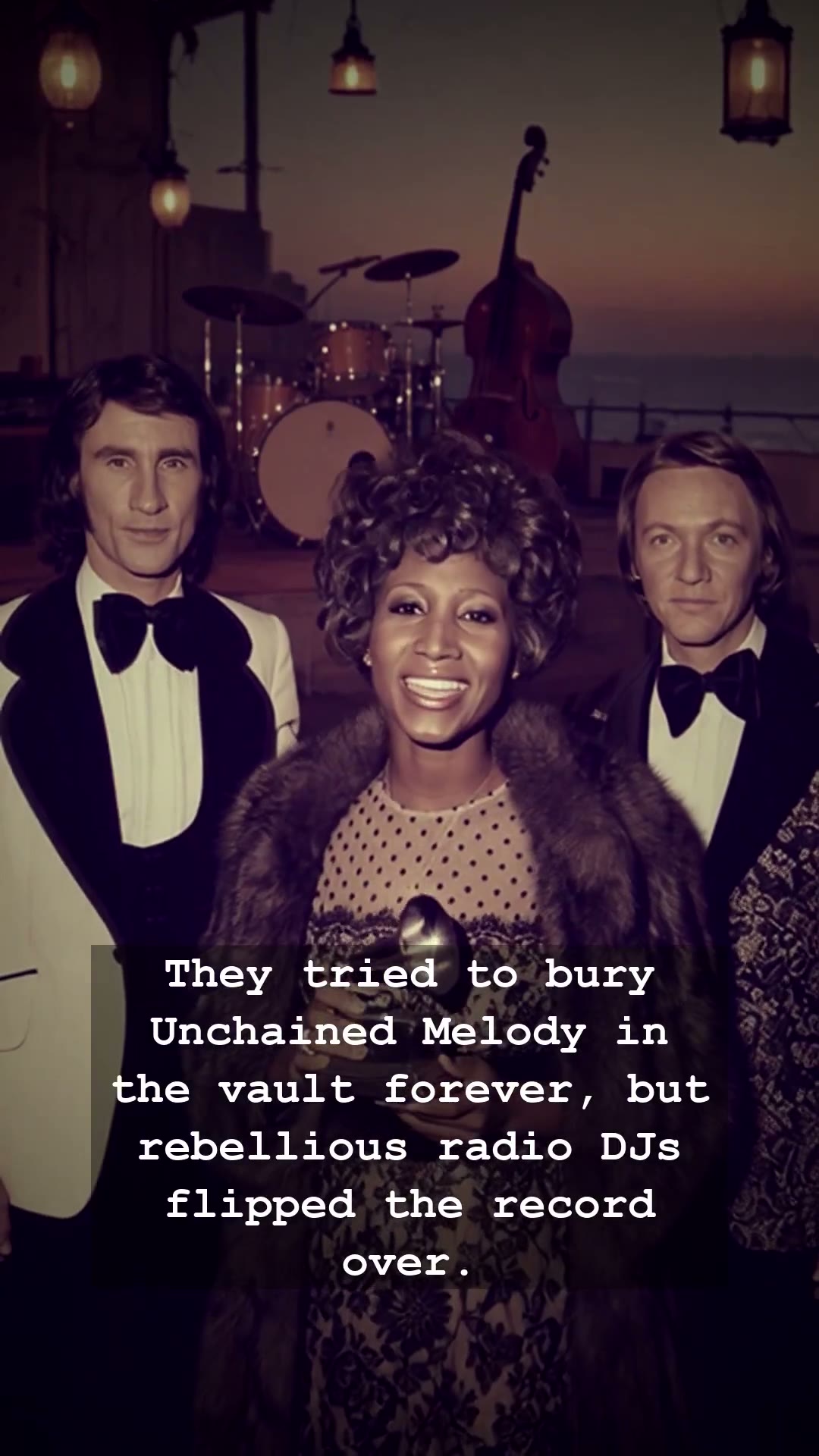
It was meant to disappear forever into the cold, dark silence of a record label vault. When The Righteous Brothers recorded Unchained Melody in 1965, the industry suits viewed it as nothing more than a disposable B-side—a filler track destined to be forgotten by the time the needle reached the end of the groove. Yet, music history is rarely written by boardroom executives. In the smokey, neon-lit landscape of the mid-sixties, it was the rebellious radio DJs who held the true power, and they decided that this masterpiece was far too haunting to be relegated to the dustbin of history.
While the industry initially pushed the A-side single, these rogue radio personalities began flipping the records over, captivated by the raw, soul-shattering power of Bill Medley and Bobby Hatfield. As the song hit the airwaves, it didn’t just play; it haunted the listeners. The Righteous Brothers had inadvertently captured a desperate, aching longing that defined the era. The song was a paradox: a sweeping, cinematic vocal performance born from a modest recording session, standing in stark contrast to the rapidly evolving British Invasion and the burgeoning psychedelic movement that would soon dominate the airwaves.
To understand the gravity of this moment, one must remember the atmosphere of the mid-1960s. This was the golden age of the Jukebox, where a single coin could transform a lonely diner into a theater of heartbreak. When Unchained Melody echoed from these machines, it felt as though the very air in the room changed. The Righteous Brothers, with their distinctive blue-eyed soul, managed to strip away the artifice of pop production to reveal a naked, fragile vulnerability. It was a rare instance where the technical perfection of a studio performance collided with an unscripted, genuine human desperation that resonated deep within the soul.
Behind the scenes, the life of The Righteous Brothers was far from the polished perfection of their harmonies. They dealt with the typical pressures of mid-century stardom—the grueling tours, the internal creative frictions, and the relentless demands of a music industry that viewed artists as commodities rather than poets. Yet, whenever they stepped to the microphone, the noise of the outside world faded. That specific, transcendent vocal performance became their immortal legacy, proving that even the most calculated marketing strategy can be derailed by the sheer, undeniable force of a great song finding its audience.
Decades later, the song remains a cultural monolith. Whether you recall hearing it through the warm crackle of a vinyl record or that iconic, lingering moment in cinema history, its power has never waned. The Righteous Brothers did not just create a track; they built a sanctuary for the heartbroken. It stands today as a testament to the fact that when music is truly authentic, it cannot be suppressed or buried. It finds its way back to us, echoing through time, reminding us of a softer, more dramatic era of American music that refuses to fade away.