
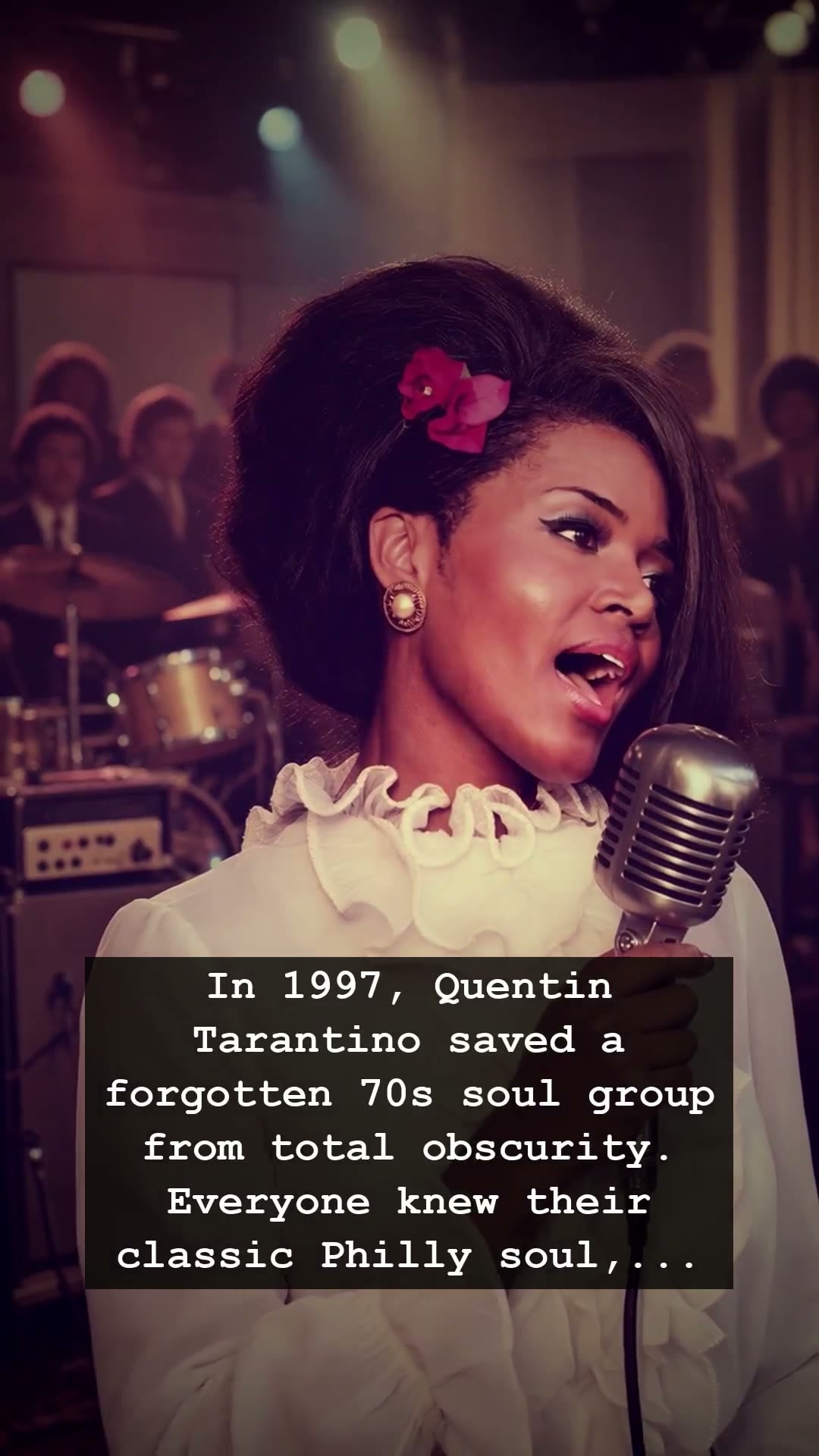
Imagine the neon lights of a 1970s downtown diner, the soft crackle of a jukebox, and the velvet smooth harmonies of The Delfonics drifting through the humid air. For a decade, they were the architects of the Philly soul sound, crafting heartbreak into melodies that defined a generation. Yet, by the time the nineties rolled around, the world had traded the warmth of vinyl for the cold precision of early digital production. The Delfonics had largely faded into the background of musical history, their legacy relegated to dusty record bins and the fleeting memories of aging fans. They were a band lost in time, their lush arrangements and falsettos echoing in a void until an unexpected force intervened.
In 1997, the landscape of pop culture shifted when Quentin Tarantino decided that the haunting, cinematic essence of The Delfonics was exactly what his film Jackie Brown needed. By placing their timeless track La La Means I Love You at the center of a pivotal scene, he didn’t just pick a song; he performed a resurrection. Suddenly, a new generation, raised on grunge and the burgeoning era of MTV, was introduced to the sophisticated, melancholic heartbreak of The Delfonics. It was a shocking comeback that proved great art is never truly dead; it is merely waiting for the right moment to capture our collective imagination once again.
To understand why The Delfonics resonated so deeply, one must look at the climate of the late sixties and early seventies. The group, led by the incomparable William Hart, mastered a brand of soul that felt like a secret whispered in the dark. While their peers were experimenting with the heavy, psychedelic rhythms of the Woodstock era, The Delfonics remained anchored in a refined, orchestral vulnerability. Their music was the perfect soundtrack for the lonely, the lovestruck, and the nostalgic. They captured the raw ache of love with a level of vocal precision that made the listener feel as if the band were playing in the room, creating an intimacy that modern technology has often failed to replicate.
Yet, the road to this legendary status was paved with the typical industry pressures of the era. The internal dynamics of soul groups were notoriously volatile, marked by constant shifts in the music landscape and the relentless grind of touring. The Delfonics faced their own share of adversity, struggling to maintain their identity as the disco explosion began to overshadow their soulful ballads. The transition from the organic, brass-filled arrangements of their prime to the synthetic, programmed beats of the future almost swallowed them whole. It was the quintessential tragedy of a classic act being pushed aside by the rapid, unforgiving pace of music industry trends.
Today, when you listen to The Delfonics, you aren’t just hearing a song; you are listening to a piece of history that refused to be silenced. Their survival reminds us that true quality transcends the labels and the passing fads of the decade. Whether you are a fan who remembers the first spin of their 45s or someone who discovered them through the silver screen, their music remains a testament to the power of the human voice. They are more than just a footnote; they are the heartbeat of an era that continues to whisper to us from across the years. Let their records spin, and keep the soul of The Delfonics alive for the next generation to rediscover.