
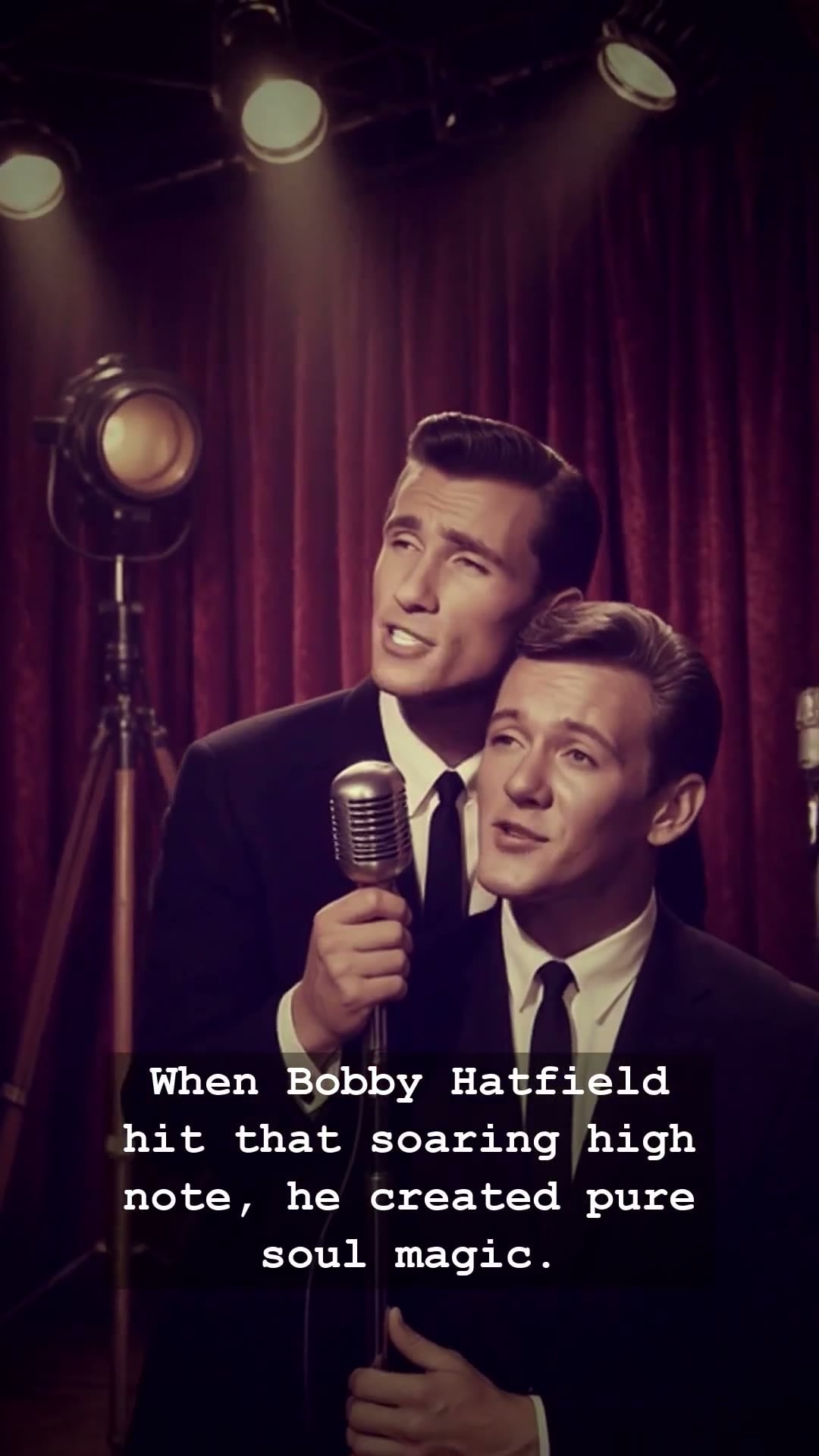
It started with a single, trembling note that seemed to hang in the air, defiant of time and gravity. When Bobby Hatfield stepped up to the microphone to deliver the climax of Unchained Melody, he wasn’t just singing a song; he was baring a soul that had been weathered by the relentless pressures of the 1960s music industry. For those of us who grew up with the crackle of a jukebox in a dimly lit diner or the warm hum of a tube radio, The Righteous Brothers represented something more than just a musical duo. They were the architects of blue-eyed soul, a sound that bridged the racial divide of American radio during a period of deep cultural transformation.
Behind the pristine production and the soaring harmonies lay a reality far more turbulent than their velvet suits suggested. Bill Medley and Bobby Hatfield were never the polished, inseparable pair the public imagined. Their partnership was a pressure cooker of clashing egos, artistic friction, and the dark, intoxicating allure of fame that defined that golden era. While the world saw two men perfectly in sync, backstage, the tension was palpable. The industry was changing, moving from the refined melodies of the early sixties toward the psychedelic experimentation of the late decade, leaving artists like The Righteous Brothers to fight for their relevance against the rising tide of the counterculture movement.
Bobby Hatfield, in particular, lived a life that mirrored the high-stakes drama of the songs he sang. His vocal range was legendary, but it was his emotional fragility that truly resonated with audiences who felt equally lost in an evolving world. He possessed that rare, haunting ability to convey heartache in a way that felt deeply personal to every listener. During an era when the Walkman was yet to be invented and people gathered around record players as if attending a religious ceremony, Hatfield’s voice became a sanctuary for the heartbroken and the hopeful alike.
Yet, the price of this magic was steep. The lifestyle of the sixties and seventies took its toll, leading to struggles with substances and the inevitable burnout that claimed so many icons of the generation. Even as they drifted apart and pursued solo endeavors, the shadow of their shared success—and the internal conflicts that fueled it—never truly faded. Their story is a quintessential American tragedy: two men with incredible gifts, caught in the machinery of a hit-driven industry that demanded everything while offering little in the way of peace.
Decades later, when we hear those opening bars, we aren’t just listening to a hit record. We are transported back to a time when music felt dangerous, essential, and profoundly human. The Righteous Brothers remain a testament to the fact that true soul music is born from conflict, not comfort. As long as people continue to fall in love, break hearts, and seek solace in the melodies of the past, the legacy of Bobby Hatfield and his soaring, desperate high notes will continue to echo, forever unchained from the constraints of time.