
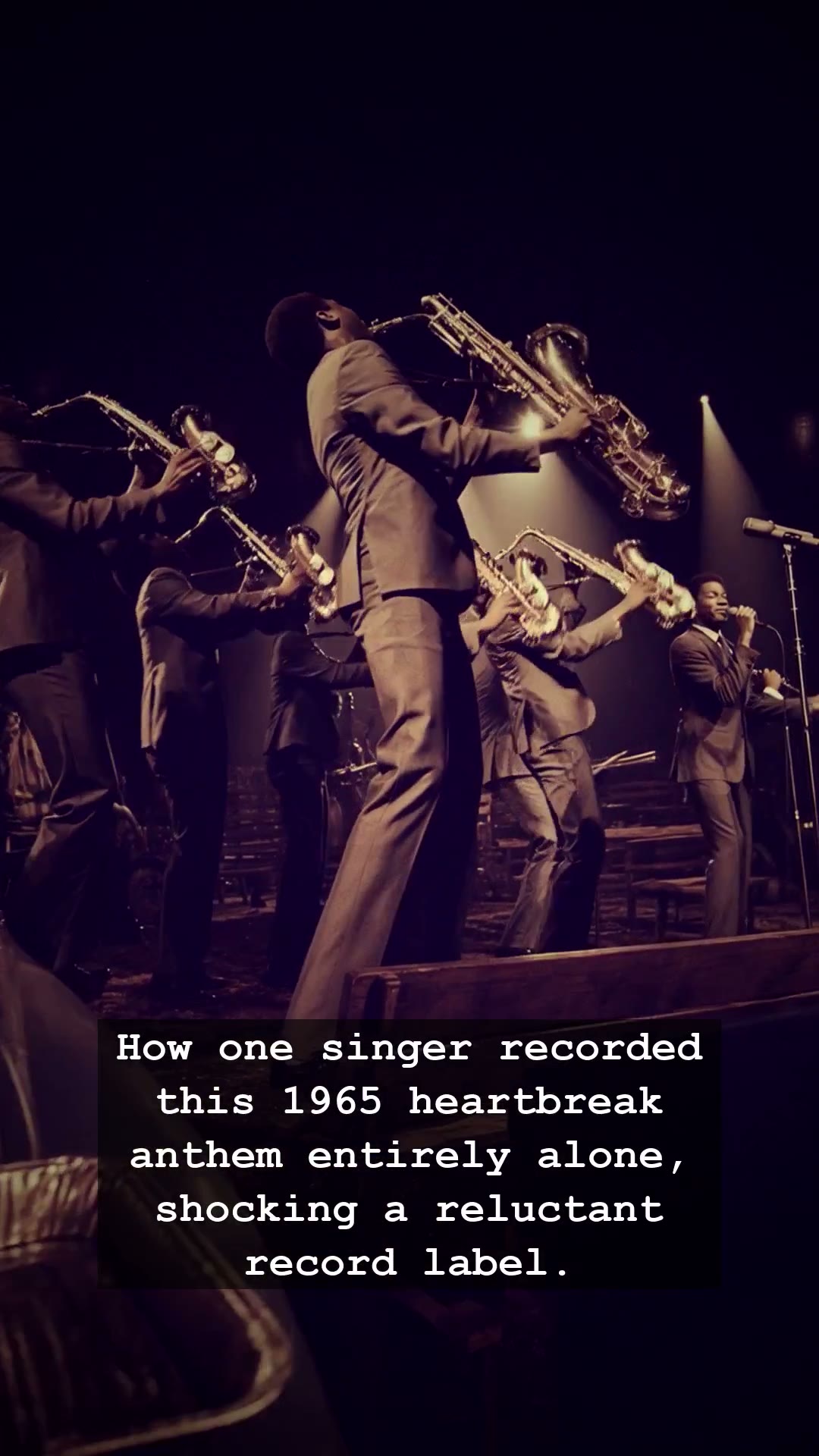
The year was 1965, a time when the Jukebox was the heartbeat of every diner and the crackle of a 45-RPM record could define a generation. Among the pantheon of classic American hits, few songs possess the haunting, ethereal grip of Unchained Melody by The Righteous Brothers. Yet, the story behind this towering masterpiece is far more intimate and solitary than the lush, orchestral sound suggests. While Bill Medley and Bobby Hatfield are immortalized as a duo, the version that broke hearts across the nation was, in a stunning twist of creative defiance, almost entirely a solo endeavor.
At the time, the record label was skeptical, failing to see the potential in a song that had already been recorded several times before. The industry giants preferred the safe, upbeat pop trends of the mid-sixties, yet The Righteous Brothers felt a pull toward something rawer. In a moment of artistic rebellion that would change the trajectory of their careers, Bobby Hatfield stepped into the recording booth alone. With the studio lights dimmed and the weight of the song’s longing heavy in the air, he poured every ounce of his soul into the microphone, recording the track without his partner by his side. It was a gamble that defied the conventions of the era, pushing against the studio suits who preferred a traditional collaborative approach.
The resulting vocal performance is not just a song; it is a confession. When you listen to the soaring climax of Unchained Melody, you are hearing a man reaching out into the silence of the room, fueled by a desperation that no multi-track layering could ever manufacture. This single-take brilliance became the sonic blueprint for romantic yearning. It captured the specific, aching frequency of the 1960s—an era marked by both cultural revolution and profound, quiet isolation. By the time the track hit the radio, it wasn’t just another hit; it was a testament to the power of one voice standing against the skepticism of a corporate machine.
Decades later, the song remains an anchor of the American soul, transcending the smoky halls of mid-century clubs to become a staple of cinematic history. It reminds us that behind every polished production are the raw, human choices made in the dark corners of a recording studio. The Righteous Brothers proved that sometimes, the most profound connections are made when an artist decides to follow their instincts, even if it means walking into the spotlight entirely alone.
As we look back at the golden age of American music, The Righteous Brothers serve as a reminder of the fragility of fame. The success of Unchained Melody was a lightning strike that cemented their legacy, yet it was born from a moment of intense solitude. Whether you first heard it on a vintage radio or during a late-night movie, the song continues to echo the timeless truth that heartbreak, when sung with enough conviction, becomes a universal language. It is a haunting masterpiece that asks us all to remember where we were when that first, lonely note began to soar.