
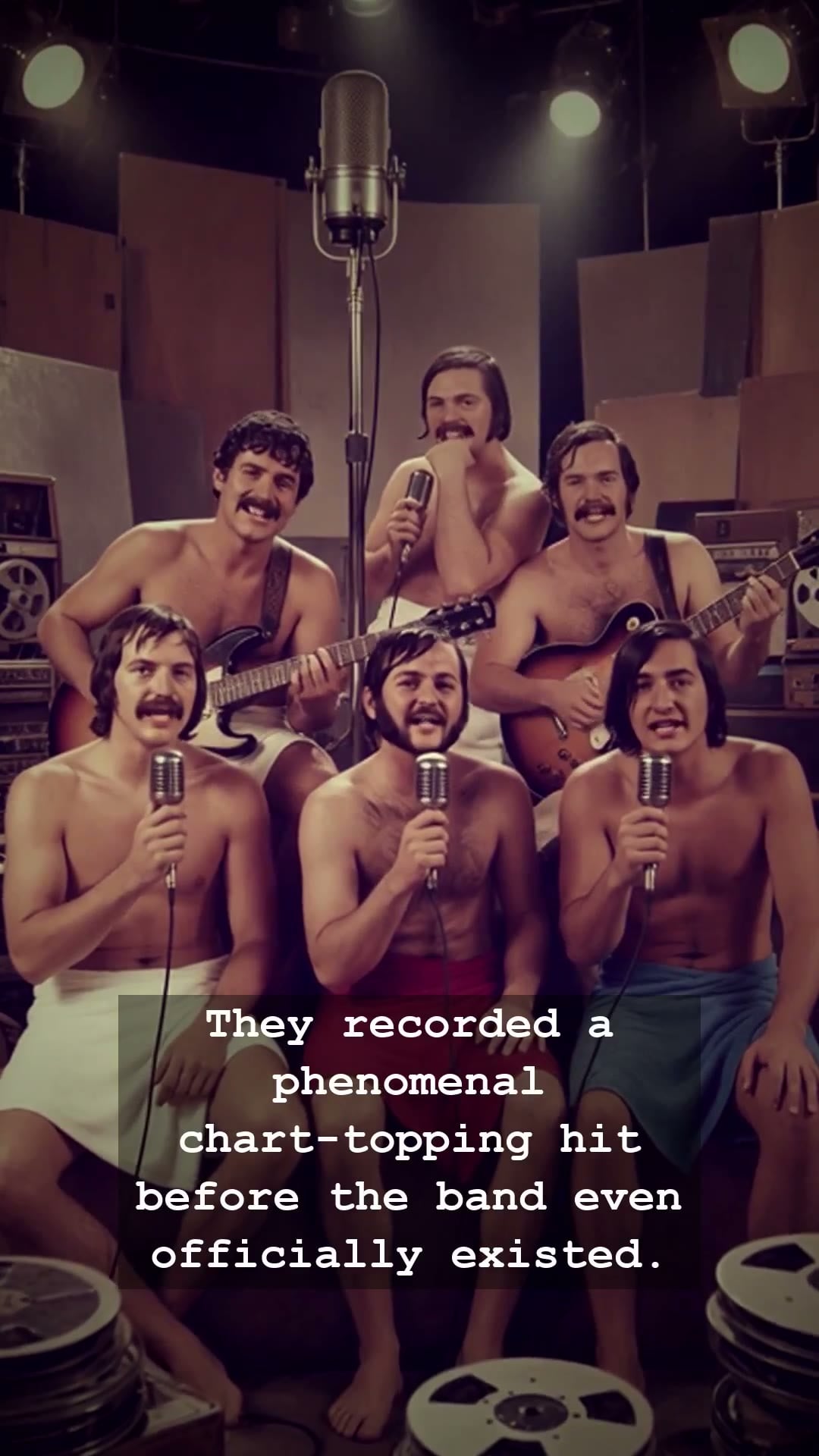
It was 1969, a year defined by the moon landing, the counterculture explosion at Woodstock, and a pervasive sense of change hanging in the air. Amidst this cultural upheaval, a song hit the airwaves that defied every rule of the music industry. Na Na Hey Hey Kiss Him Goodbye climbed the charts with a catchy, anthemic chant that seemed to be playing from every transistor radio and jukebox in America. Yet, behind the massive success of this chart-topping hit lay a strange, haunting truth: when the song was recorded, the band known as Steam did not even officially exist. It was a phantom creation, a collection of studio musicians who had stumbled upon a pop culture phenomenon before they had a name or a face to claim it.
The story of Steam is a fascinating dive into the shadowy, fast-paced world of late sixties studio production. The track was initially intended as a mere B-side, a piece of filler music to round out a record. Paul Leka, Gary DeCarlo, and Dale Frashuer had no intention of sparking a global sensation. They gathered in the studio, layering voices and crafting a simple, repetitive melody that felt destined to be played at stadiums and parties. There was no touring band, no practiced routines, and no rockstar ego attached to the initial session. They were ghosts in the machine, recording music for the sake of the sound itself, unaware they were drafting a melody that would become an immortal staple of American radio.
Once the song began its meteoric rise on the Billboard charts, the industry faced a logistical crisis. How do you promote a hit when your band is a ghost? The record label scrambled, assembling a group under the name Steam to provide a face for the music. This created a jarring disconnect between the art and the artist—a precursor to the manufactured pop identities that would eventually dominate the MTV era. Listeners singing along to the anthem had no idea that the people standing on stage were not necessarily the same individuals who poured their energy into the original studio recording. It was a classic piece of music business deception, yet it perfectly captured the spirit of an era where the song was often king, and the personality was merely an afterthought.
Looking back, the enigma of Steam serves as a reminder of a time when the music industry operated with less transparency and more whimsy. We lived in a world of vinyl records and liner notes, where the mystery behind a voice only added to the allure of the experience. The success of Na Na Hey Hey Kiss Him Goodbye wasn’t built on a carefully curated image or a high-budget music video. It was built on raw catchiness and the magic of a studio session that caught lightning in a bottle. Even today, the song remains a universal chorus of farewell, echoing in sports arenas and nostalgic playlists, proving that a song with no origin can still find a permanent home in the hearts of millions. It remains one of the most charming deceptions in rock history, a ghost story that gave us one of our favorite tunes.