
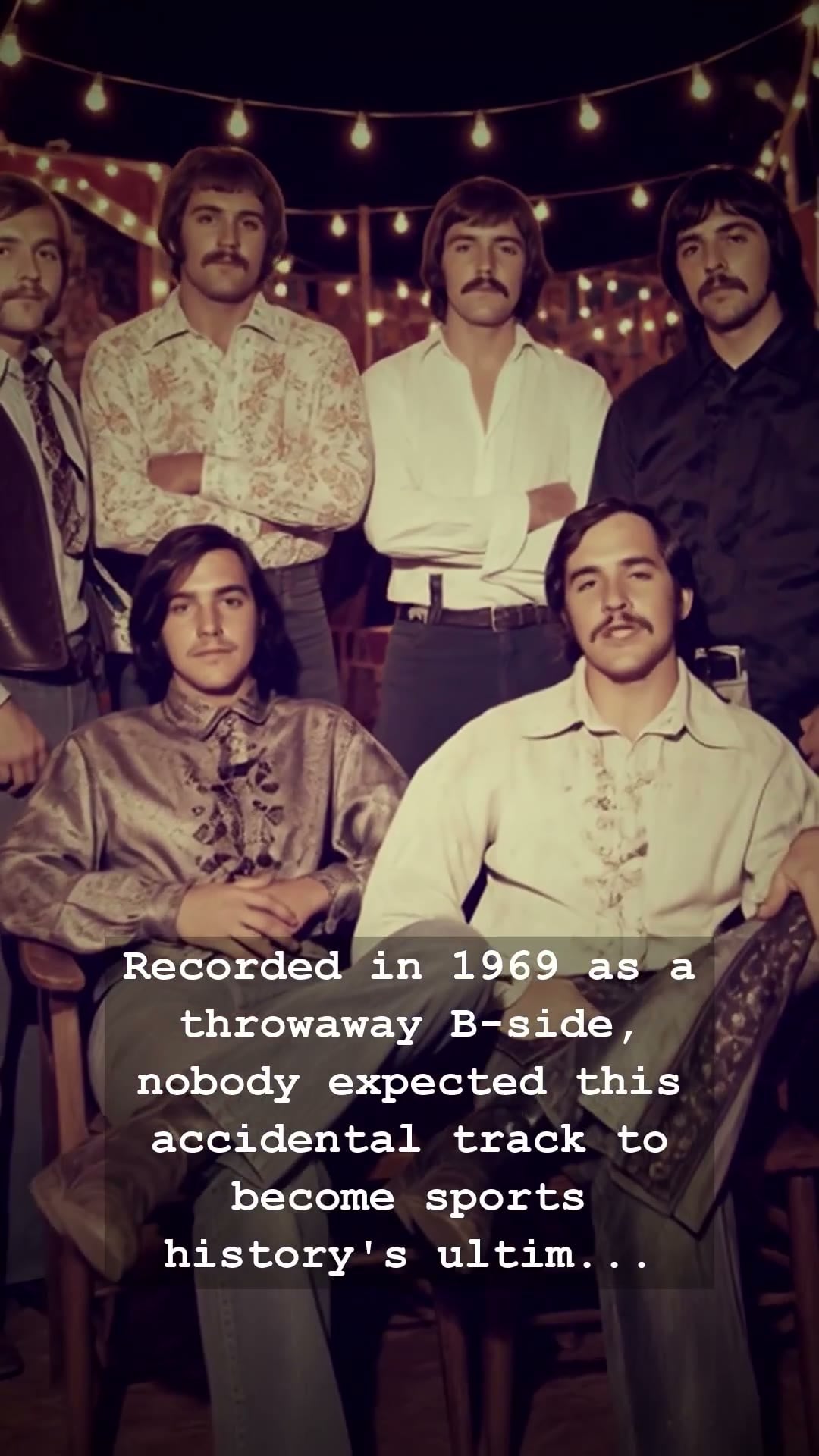
Imagine it is 1969. The air is thick with the scent of vinyl and the shifting tides of American culture. While Woodstock is busy defining a generation, a small group of musicians known as Steam finds themselves in a recording studio with a bizarre problem. They have a primary track finished, but they need a B-side to fill the record. In a desperate, hasty move, they piece together a song that was never meant to be heard by the masses, let alone change the landscape of American sports forever. The track was Na Na Hey Hey Kiss Him Goodbye, an accidental masterpiece birthed from pure necessity and a little bit of studio magic.
At the time, nobody expected this throwaway song to go anywhere. The lyrics were essentially gibberish, a repetitive, catchy chant that felt more like a playground taunt than a pop hit. But the universe has a way of turning the unexpected into the legendary. Within months of its release, the song defied all industry logic, shooting to the top of the Billboard charts and cementing the name Steam into the annals of music history. It was a golden age for radio, and this track became an instant, unavoidable staple of the airwaves, played on every jukebox from New York to California.
What makes the success of Steam so compelling is the sheer artlessness of its creation. The song was never intended to be a serious artistic statement. It was a filler, a last-minute addition to a project that the band members likely viewed as disposable. Yet, the infectious melody proved to be irresistible. The chant at the end of the song, that iconic goodbye, tapped into something primal. It was cheeky, rhythmic, and incredibly easy to remember. It was the perfect storm of simplicity and catchiness that defines the best pop music of the late sixties.
As the years rolled on, the legacy of this song drifted far beyond the radio. It found a permanent home in the stadiums of America, transforming into the ultimate taunting anthem for sports fans everywhere. Whether you are at a baseball game or a football match, when the opposing team is defeated, the crowd begins that unmistakable chorus. The music of Steam had successfully transcended its origin as a B-side to become a piece of cultural fabric, a universal soundbite that signals the end of a rivalry.
Reflecting on this era, it is hard not to miss the serendipity of the analog world. In an age of digital precision, there is something poetic about a hit record being born from a studio whim. It reminds us that sometimes, the most enduring parts of our history are the ones we never planned to create. The story of Steam remains a testament to the fact that even the smallest, most overlooked sparks can light a fire that burns for decades. It is a beautiful, nostalgic reminder to embrace the accidents of life, for they are often the melodies that stay with us long after the music stops.