
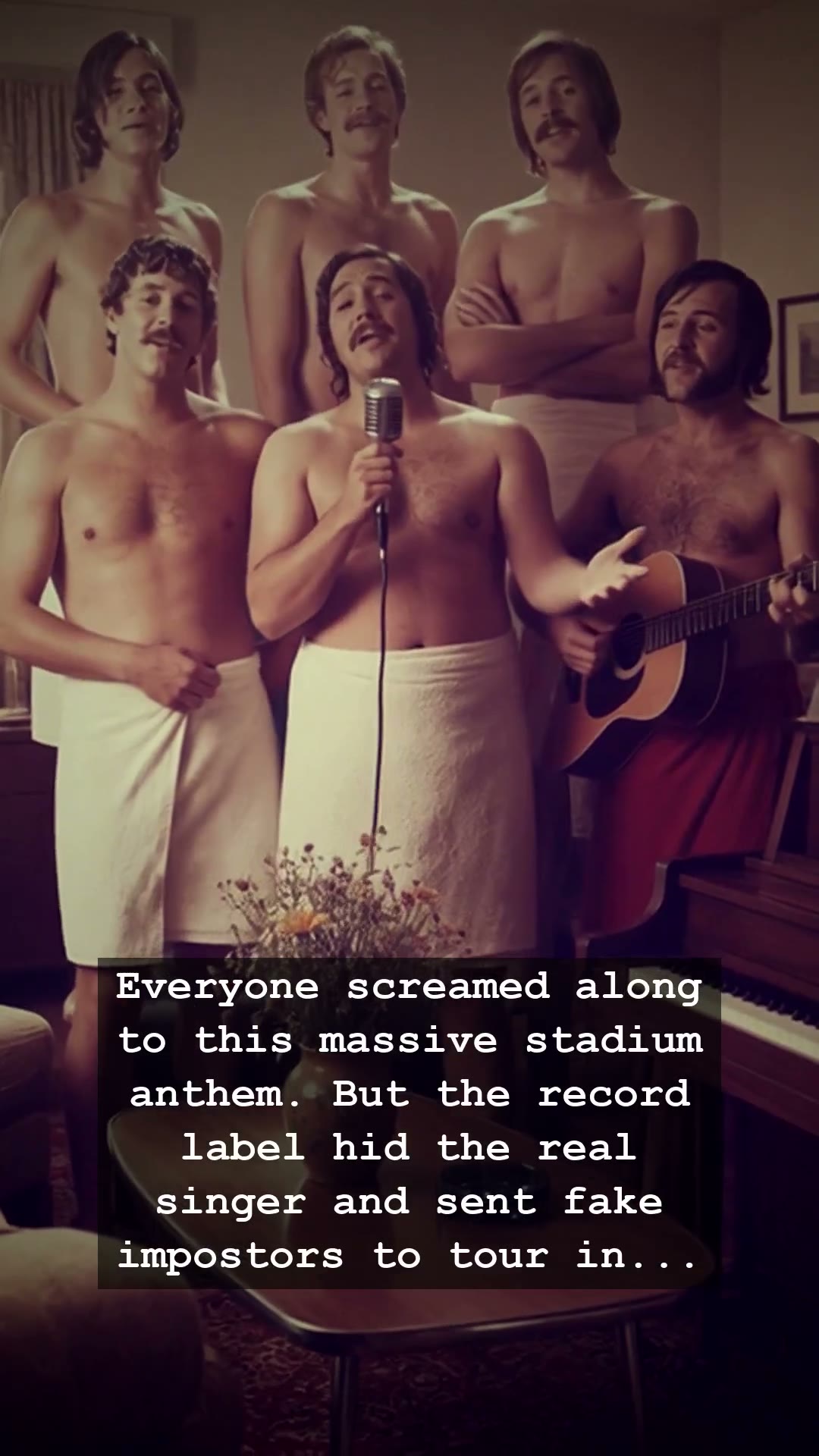
It was the song that defined the late 1960s, a thunderous, euphoric anthem that poured out of every jukebox from New York to California. When the opening notes hit, thousands of fans at ballparks and stadiums would scream in unison, caught in the intoxicating grip of a melody that felt like a permanent party. Everyone knew the chorus by heart, but almost no one knew the man behind the microphone. While the world danced to the record, the real voice, a talented singer named Gary DeCarlo, was being systematically erased from his own success, forced to watch from the shadows as impostors cashed in on his soul.
In the era of the late sixties, the music industry was a cutthroat machine where image was often prioritized over artistic integrity. Gary DeCarlo was an aspiring musician signed to a label that saw him as a tool rather than an artist. When he stepped into the studio to record the vocals for the track that would become a global phenomenon, he believed he was finally getting his big break. Instead, the label executives saw a chance to manufacture a brand. They felt Gary DeCarlo did not fit the image they wanted to project to the public, so they pulled a move that would define the dark, deceptive side of the music business for decades to come.
While Gary DeCarlo remained tucked away in total obscurity, the record label dispatched a group of faceless impostors to tour the country. These performers didn’t just play the song; they lip-synced their way through television appearances and live concerts, basking in the glow of a fame that belonged entirely to someone else. Imagine being Gary DeCarlo, hearing your own voice booming from radios and stadium speakers, feeling the electricity of the crowd, and knowing that the person receiving the thunderous applause on stage was a complete fraud. It is a haunting image that captures the absolute cruelty of the pre-internet age, where corporations could simply delete an artist’s identity with the stroke of a pen.
This story is not just a footnote in music history; it is a testament to the fragile nature of fame during the golden age of vinyl and radio. The industry was full of such secrets, hidden behind the glitz of the era’s emerging pop culture. For years, the public was fed a lie, never questioning the face behind the voice because the melody was too perfect to analyze. Gary DeCarlo eventually fought to reclaim his legacy, spending years trying to prove his authorship of the track that defined a generation, but the damage done by the label’s calculated deception lingered for a lifetime.
Today, we look back at the anthems of the past with a mix of joy and cynicism. When we hear that legendary song now, the echoes of the stadium crowds are joined by the ghostly presence of the man who really sang it. Gary DeCarlo represents the thousands of unsung heroes of the music industry who lost their glory to corporate greed. Next time you find yourself shouting along to that classic chorus, take a moment to remember the man who started it all, left behind by a system that traded his reality for a convenient, manufactured lie.